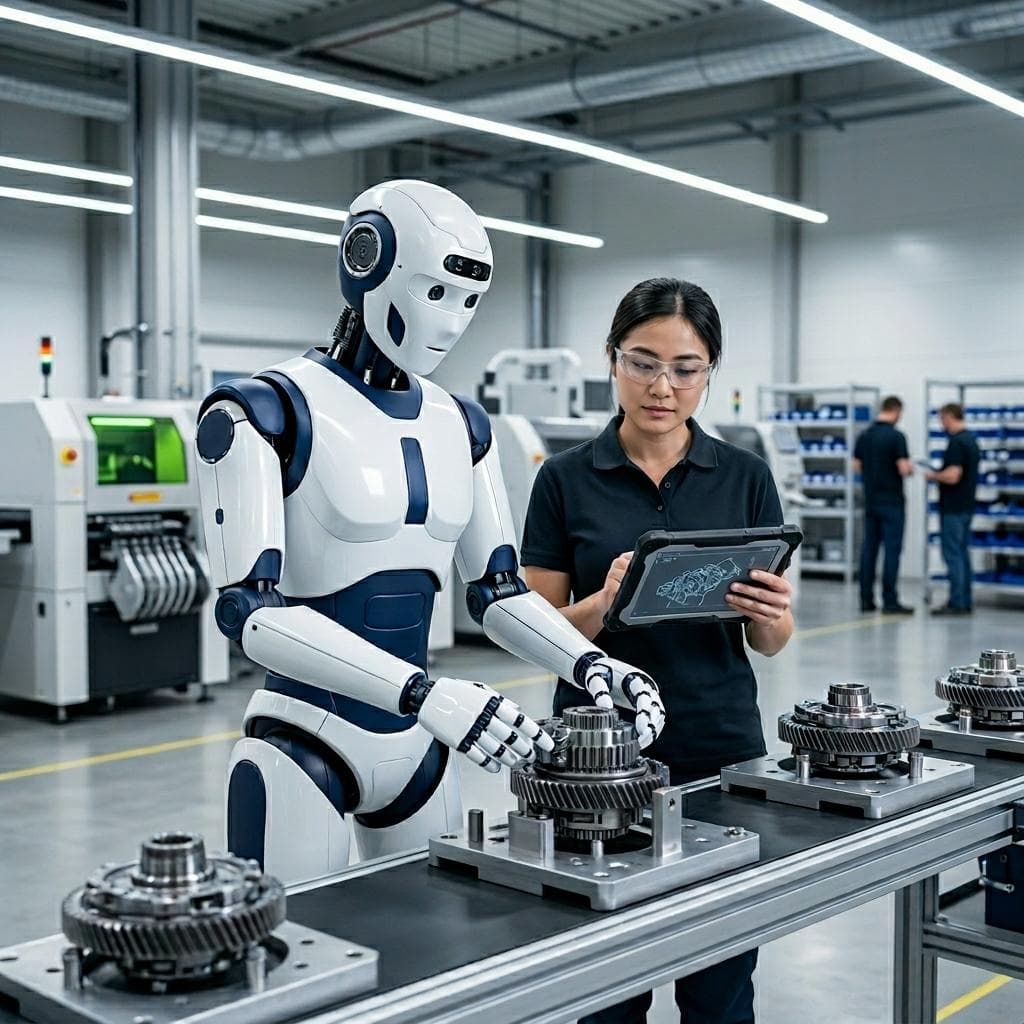
There is a moment in every technological change when the machine stops looking like something distant and begins appearing in ordinary working life. A new digital tool arrives at an office, an automated system enters a factory, or artificial intelligence begins handling a task once performed by a person. Singapore is now navigating that transition with an emphasis on both opportunity and adaptation.
The country's approach is to continue embracing emerging technologies rather than slowing their development simply because they may disrupt existing routines. Artificial intelligence and autonomous vehicles are among the technologies being pursued, while authorities are also considering the effects they may have on workers and society.
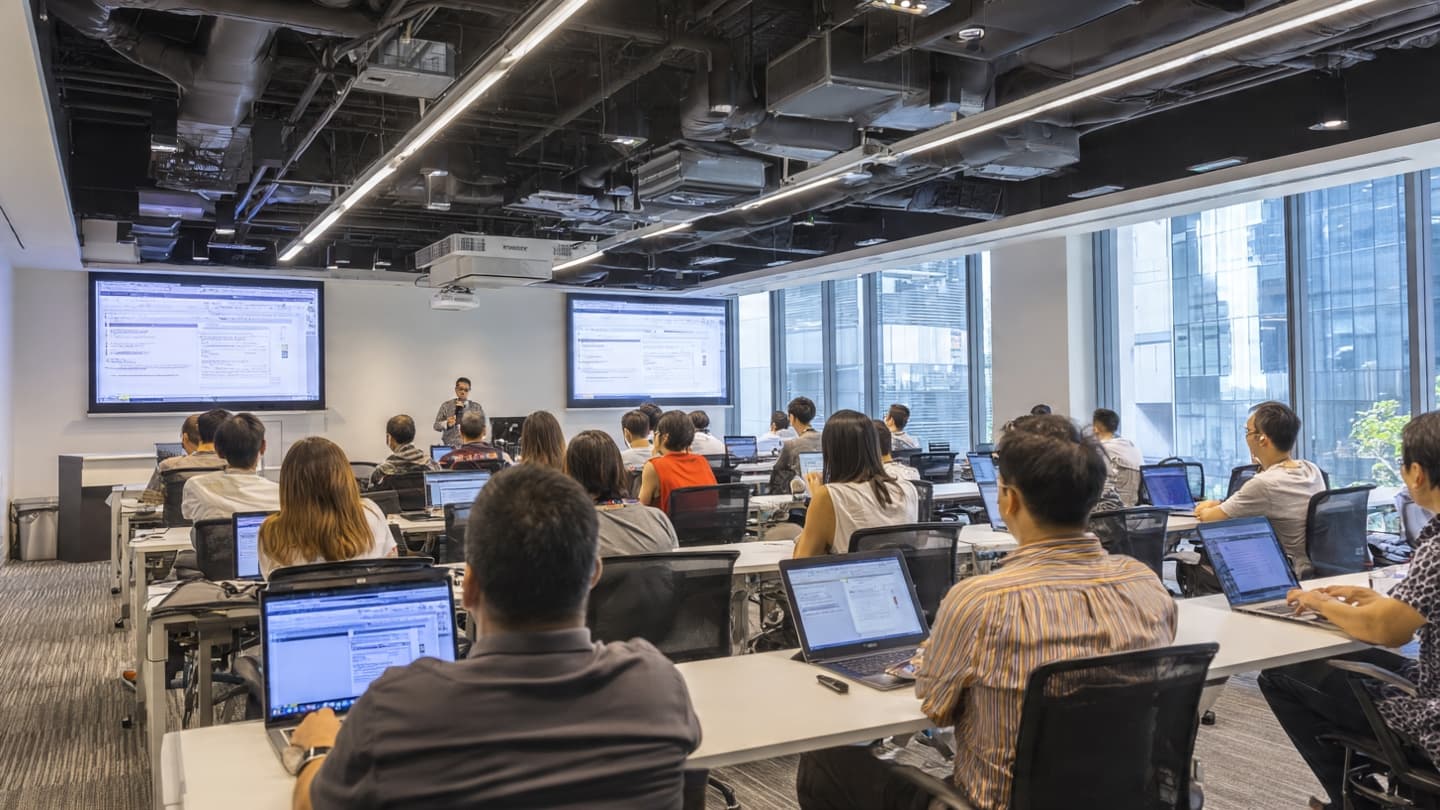
That balance places workers at the center of the transition. As technology changes the nature of certain jobs, people may need new skills to remain connected to a shifting labor market. Retraining and upskilling therefore become less like occasional career decisions and more like continuing parts of professional life.
Singapore's technology sector already reflects that movement. More than 2,000 technology roles and training opportunities have recently been curated for fresh graduates and mid-career workers, covering areas including artificial intelligence, cybersecurity and data.
The demand for those skills is connected to a broader transformation in businesses. Artificial intelligence is increasingly being used not only by technology companies but also by banks, healthcare institutions and other large organizations. DBS, for example, has been encouraging employees to consider how AI can improve productivity and support career development rather than viewing the technology solely through the question of job replacement.
Healthcare offers another glimpse of how this transition can unfold. Singapore's public healthcare system has introduced platforms allowing professionals to create specialized AI agents for tasks such as summarizing information, preparing reports and managing administrative work. More than 12,000 such agents had been created by healthcare workers following the platform's launch.
The changes also raise questions about how quickly people can adjust. A worker whose responsibilities are gradually automated may not simply need a different software tool. In some cases, the person may need to learn a new profession, understand unfamiliar systems or develop skills that were not previously part of the job.
That is why safeguards have become part of Singapore's technology strategy. Authorities have said that the country will not abandon useful technologies simply because they are disruptive, but will introduce measures where risks to people or society emerge. The approach attempts to leave room for innovation while maintaining a framework around its consequences.
The larger story is therefore not only about machines becoming more capable. It is also about people learning how to work alongside them. Singapore's investment in technology roles, training and AI adoption suggests that the future workplace is being approached as a moving landscape rather than a fixed destination.
For now, Singapore is continuing to expand its use of artificial intelligence and other emerging technologies while placing greater emphasis on retraining and safeguards. The direction suggests that technological progress and workforce adaptation are increasingly being developed as parallel parts of the country's economic future.
AI Image Disclaimer The accompanying visuals are AI-generated conceptual illustrations and should not be regarded as photographs of actual workplaces or events.
Sources The Straits Times Infocomm Media Development Authority Ministry of Manpower Singapore Singapore Economic Development Board
Published by Banx Network. This article is part of the Banx decentralized media programme, powered by the BXE token on the XRP Ledger.