There are moments in history when the world’s most intricate systems rest quietly on foundations few pause to examine. Like a vast cathedral supported by slender beams, the digital age stands tall—gleaming, confident, and humming with invisible energy. Yet beneath its polished floors lies a delicate dependence, one shaped not only by innovation but by geography. In recent years, whispers have grown louder about a single point of vulnerability: the semiconductor lifeline flowing from to the restless engines of .
For decades, the global technology industry pursued efficiency with near-religious devotion. Supply chains were refined, costs trimmed, production concentrated. At the heart of this ecosystem stands , the world’s leading contract chipmaker. Its factories produce the advanced semiconductors that power smartphones, artificial intelligence systems, defense equipment, electric vehicles, and cloud computing infrastructure. In many respects, modern life moves at the rhythm of its production lines.
Yet concentration carries quiet risks. More than 60 percent of the world’s semiconductors—and an even greater share of its most advanced chips—are manufactured in Taiwan. For Silicon Valley’s giants, from cloud service providers to AI developers, this arrangement long seemed rational. Taiwan offered reliability, technical mastery, and scale unmatched elsewhere. But efficiency, when stretched too thin across a single geography, can resemble a bridge built strong yet narrow.
Geopolitical tensions in the Taiwan Strait have steadily intensified. Military exercises, diplomatic friction, and strategic rivalry between major powers have cast long shadows over the island. Industry analysts have warned that even a temporary disruption—whether from conflict, blockade, cyberattack, or natural disaster—could freeze global technology production. The consequences would ripple far beyond smartphones and laptops. Data centers could stall, automobile production lines could halt, defense systems could face shortages, and financial markets could shudder under the strain of technological paralysis.
Despite these warnings, much of Silicon Valley’s response was, until recently, measured and gradual. Executives acknowledged the risks but often calculated that diversification would be costly and time-consuming. Building advanced fabrication plants elsewhere requires tens of billions of dollars, specialized talent, and years of construction. In the short term, dependence appeared manageable; in the long term, alternatives seemed distant.
However, recent global supply chain disruptions—from pandemic-era shutdowns to regional conflicts—have made abstract vulnerabilities feel tangible. Policymakers in the United States and allied nations have accelerated efforts to reshore or diversify semiconductor production. Incentive packages, new industrial policies, and joint ventures are slowly reshaping the landscape. Yet these efforts remain in early stages, and replacing Taiwan’s unique ecosystem is not a swift endeavor.
The looming concern is not inevitable catastrophe, but exposure. The digital economy has grown accustomed to seamless continuity. A sudden interruption in advanced chip supply would not simply inconvenience consumers; it would test the resilience of industries foundational to national security and economic stability. Silicon Valley, once guided primarily by market logic, now finds itself navigating strategic terrain where technology and geopolitics intertwine.
In recent months, technology firms have increased investments in alternative manufacturing hubs and strengthened inventory buffers. Governments have deepened dialogue with Taiwanese counterparts while supporting new fabrication facilities domestically. The situation remains fluid, shaped by diplomatic developments and industrial policy shifts. For now, Taiwan continues to operate as the indispensable heart of advanced chipmaking, even as the world watches with heightened awareness. The challenge ahead lies not in alarm, but in preparation.
AI Image Disclaimer
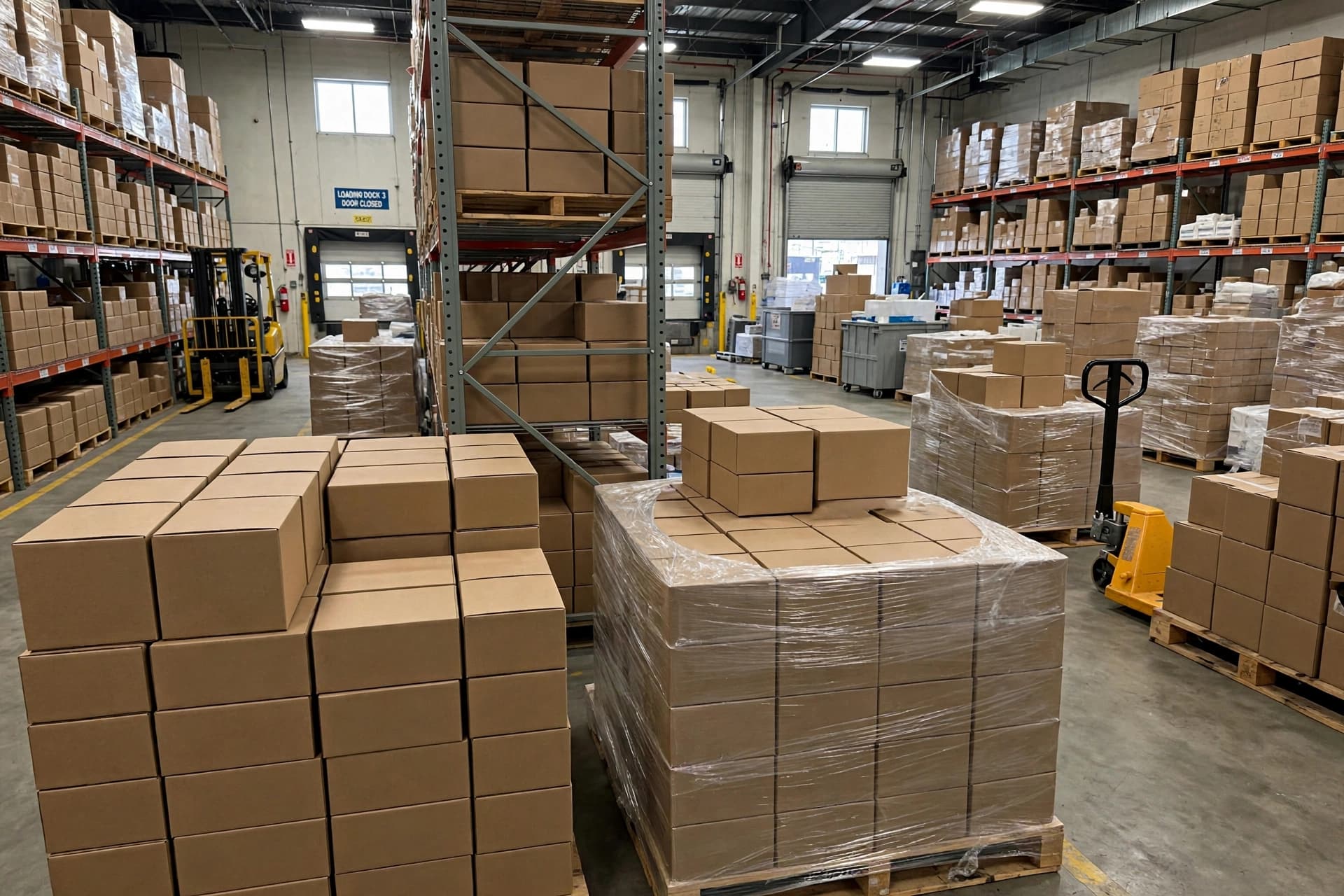
Graphics in this article are AI-generated and intended for representation, not reality.
Source Check:
Credible mainstream and niche media covering this issue include:
Reuters
The New York Times
Financial Times
Bloomberg
The Wall Street Journal
Published by Banx Network. This article is part of the Banx decentralized media programme, powered by the BXE token on the XRP Ledger.