

Key Highlights
- Recent military operation:The UK and Norway have coordinated efforts to deter Russian submarine activity.
- Strategic importance:The North Atlantic remains a critical area for geopolitical stability.
- NATO commitment:The operation reflects a unified stance among allied nations.
The silence of the North Atlantic waters belies the significant military maneuvers occurring beneath the surface. Recently, the United Kingdom and Norway have joined forces in a military operation aimed at deterring Russian submarine activity in this strategically vital region. While there have been no direct confrontations reported, the presence of allied naval forces underscores a growing vigilance over waterways that have historically been pivotal in global geopolitics.
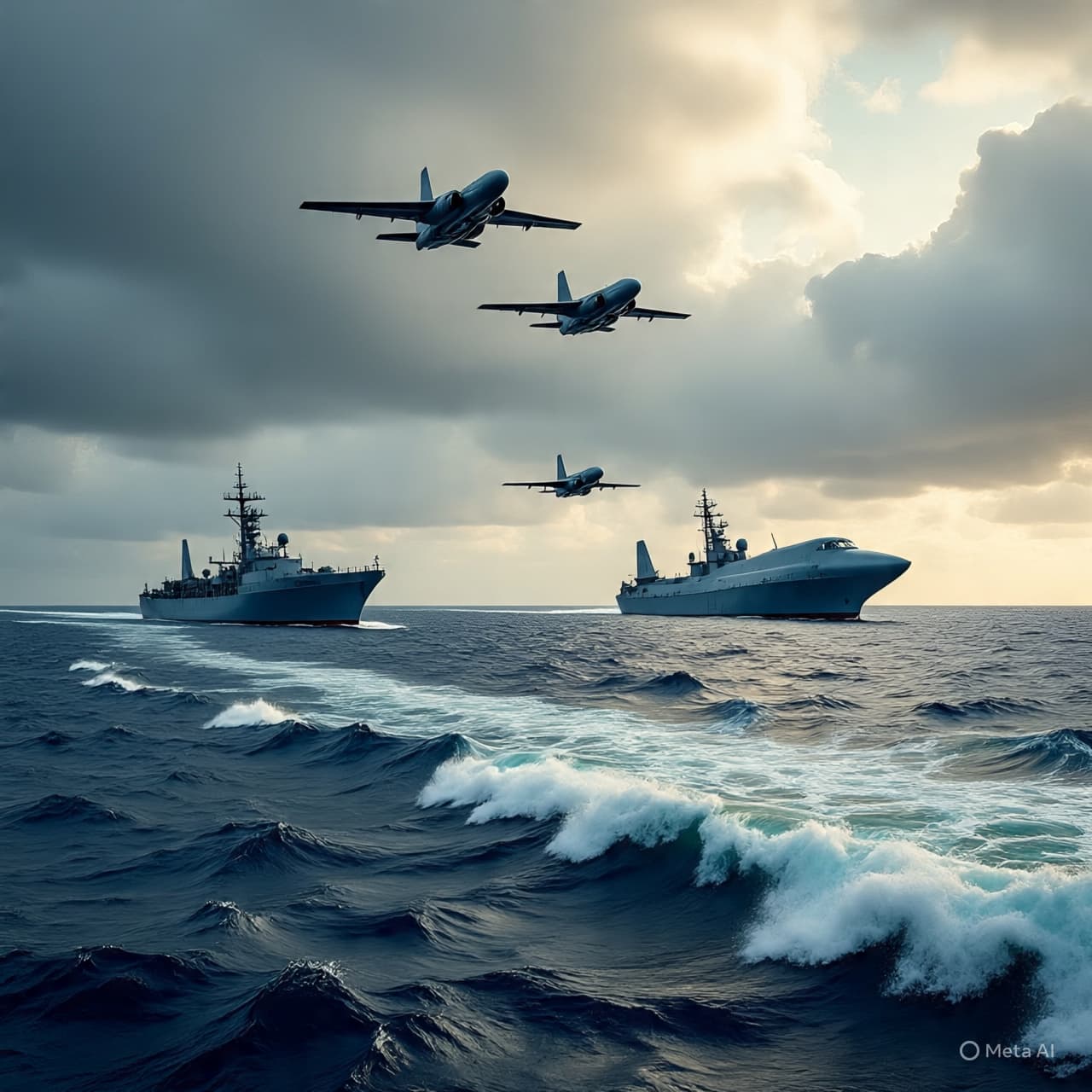
This operation involves a range of assets, including maritime patrol aircraft, naval vessels, and advanced surveillance systems designed to monitor underwater activities. These efforts are not merely tactical; they carry symbolic weight, signaling a shared commitment among NATO-aligned nations to maintain stability and awareness in the North Atlantic corridor. The operation serves as a reminder that in modern military strategy, visibility and presence can be as crucial as direct confrontation.
Russia's submarine fleet, known for its stealth and advanced capabilities, has increasingly drawn the attention of Western defense planners. The concern is not solely about immediate conflict but rather the potential for strategic imbalance should such movements go unchecked. In this context, deterrence becomes less about aggression and more about maintaining a visible presence to prevent misunderstandings and miscalculations.
Norway's geographic proximity to the Arctic and North Atlantic makes it an essential partner in these operations. Its collaboration with the UK highlights the importance of regional alliances in ensuring maritime security, particularly in areas where geography and technology intersect in complex ways. Military officials have characterized the operation as routine yet necessary, reflecting a careful balance in language that asserts readiness without escalating tensions.
For the United Kingdom, this mission underscores its ongoing role in European security frameworks, especially in the post-Brexit landscape. Participation in joint operations serves both strategic and diplomatic purposes, reinforcing partnerships that extend beyond formal agreements. Observers note that such activities are part of a broader pattern of increased military awareness across NATO territories, where preparedness is viewed as essential to preventing misunderstandings.
As the operation concludes, the waters of the North Atlantic may return to their familiar stillness. Yet beneath that calm lies an ongoing dialogue—one conducted not in words, but through movements, signals, and the presence of military assets that reflect the complexities of modern geopolitical dynamics. The quiet gestures of nations can often carry more weight than the loudest proclamations, reminding us that vigilance and cooperation remain paramount in an ever-evolving global landscape.
Published by Banx Network. This article is part of the Banx decentralized media programme, powered by the BXE token on the XRP Ledger.




