
Key Highlights
- Balochistan is home to significant untapped mineral reserves, including copper and gold.
- The region faces ongoing insurgency, complicating mining efforts and investor confidence.
- U.S.-linked companies are increasingly interested in Balochistan's resources amid geopolitical competition.
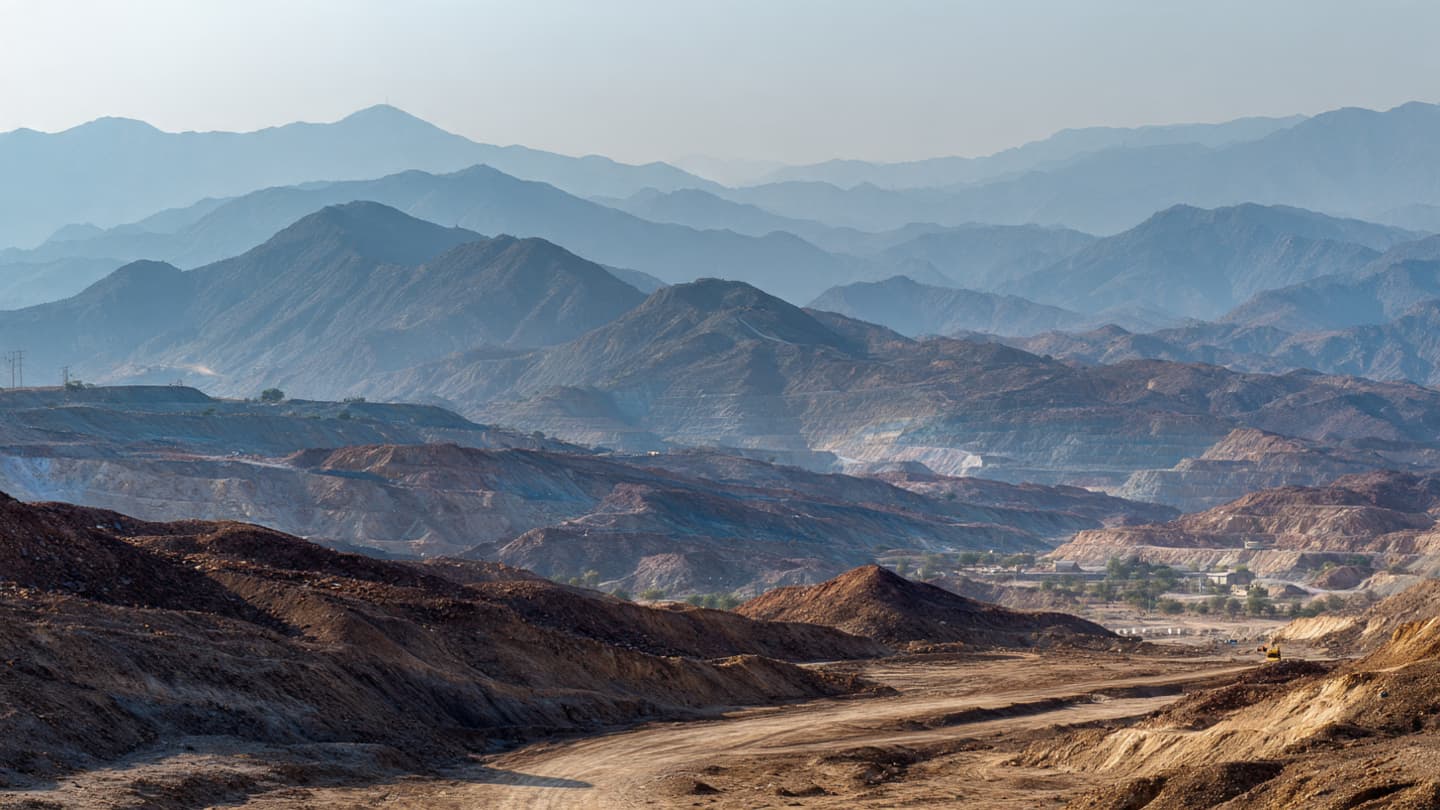
Balochistan, a vast province in southwestern Pakistan, is characterized by its rugged terrain and rich mineral deposits. This region holds some of the country's most significant untapped resources, including copper and gold, which have attracted the attention of international investors, particularly from the United States. As the global demand for critical minerals rises, Balochistan's potential has become a focal point in the broader narrative of resource competition and energy transition.
However, the allure of these resources is overshadowed by a long-standing conflict between the Pakistani state and various separatist groups in the region. For many local communities, the extraction of minerals symbolizes exclusion rather than opportunity. The wealth generated from these resources often fails to benefit the local population, leading to resentment and resistance against foreign and domestic mining ventures. Insurgent attacks on infrastructure and foreign-linked projects have become increasingly common, creating a volatile environment that complicates efforts to develop the mining sector.
Pakistan's government has recognized the importance of its mineral wealth as a driver of economic growth. Over the years, it has sought to partner with foreign investors to tap into these resources, promoting mining as a pathway to economic resilience. The involvement of U.S. companies adds a layer of complexity to this dynamic, as it intertwines local developments with global geopolitical interests. Resource security is now a critical issue, discussed alongside supply chains and national resilience, making Balochistan a key player in the international arena.
Despite the challenges, the drive to exploit Balochistan's mineral wealth continues. The Pakistani government has emphasized the need for stability and security to attract investment, while international partners weigh the potential rewards against the risks. Recent incidents of violence have underscored the fragility of the situation, raising concerns about the region's ability to sustain the conditions necessary for large-scale extraction.
For local communities, the promises of development often clash with the realities of daily life. Infrastructure remains underdeveloped, and security measures can disrupt local economies. The presence of foreign interests can create a sense of unease, as residents grapple with the implications of resource extraction on their land and livelihoods. The insurgency, rather than being a separate issue, is deeply woven into the fabric of this narrative, influencing how projects are perceived and executed.
As the sun sets over Balochistan's rugged landscape, the future remains uncertain. The question of whether the region's mineral wealth will be extracted—and at what cost—looms large. U.S.-linked mining interests continue to explore opportunities, but they must navigate a complex web of local grievances and insurgent threats. The interplay between ambition and resistance defines the landscape of Balochistan, where the quiet mountains hold both promise and peril.
In conclusion, Balochistan stands at a crossroads, where global ambitions meet local realities. The ongoing conflict shapes the narrative of resource extraction, complicating the path forward for both investors and local communities. As the region grapples with its identity and future, the extraction of minerals will continue to be a contentious issue, reflecting broader themes of governance, trust, and opportunity.
Published by Banx Network. This article is part of the Banx decentralized media programme, powered by the BXE token on the XRP Ledger.



