

Key Highlights
- Major Seizure:Nearly 6,000 pounds of cocaine discovered in Australia.
- Criminal Network:Authorities disrupt an international drug trafficking operation.
- Ongoing Investigation:Law enforcement continues to analyze evidence and pursue leads.
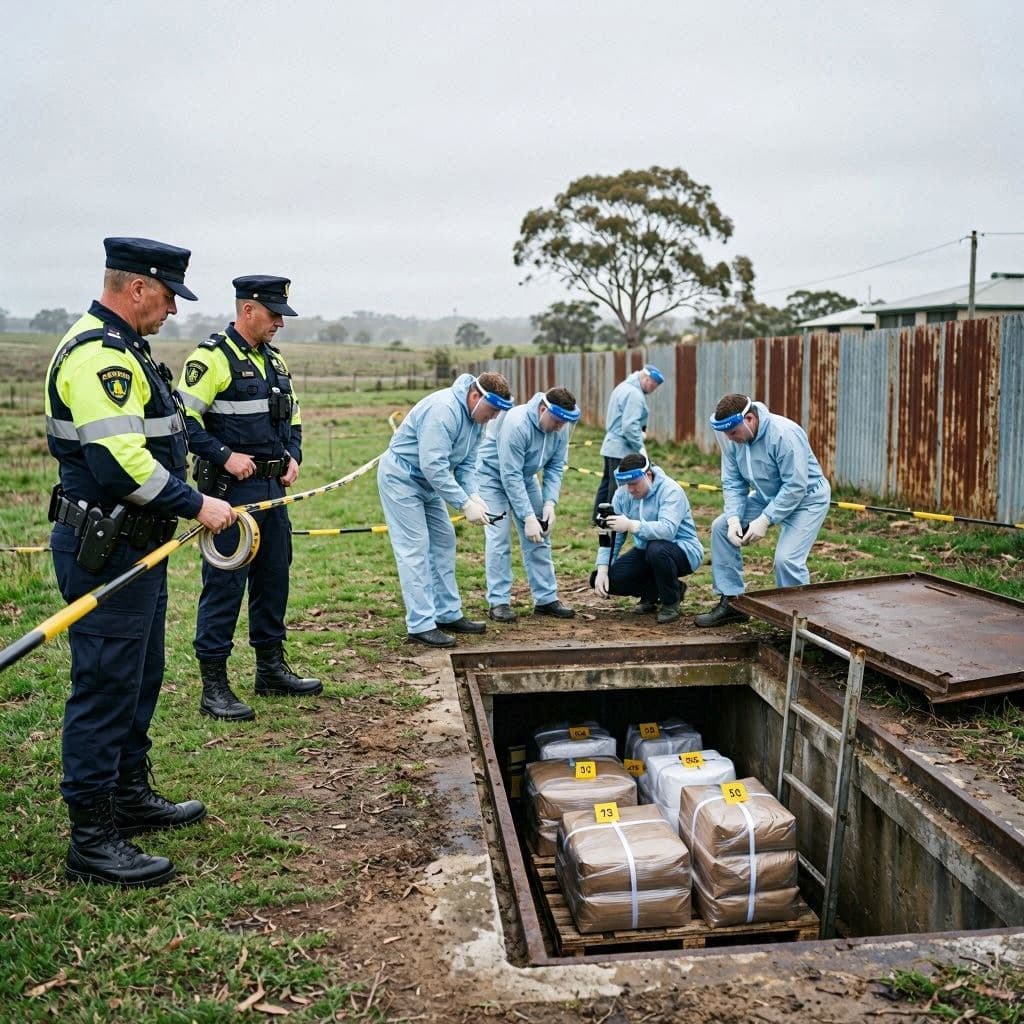
In a landmark operation, Australian law enforcement agencies have announced the seizure of nearly 6,000 pounds of cocaine, marking what officials describe as the largest cocaine bust in the nation's history. The drugs were found concealed within sophisticated underground bunkers on a rural property near Sydney, highlighting the persistent challenges faced by authorities in combating transnational organized crime.
The operation was the culmination of an extensive investigation that involved intelligence gathering, surveillance, and collaboration among multiple law enforcement agencies. Police stated that this significant seizure represents a major disruption to an alleged international drug trafficking network, which has been operating under the radar for some time.
Investigators noted that organized crime groups often employ elaborate concealment methods to evade detection. These methods include hidden storage facilities, encrypted communications, and complex transportation networks, all of which complicate law enforcement efforts. The recent seizure underscores the increasingly sophisticated tactics used by criminal organizations that operate across international borders.
Following the discovery, police executed coordinated search warrants based on the evidence collected during the investigation. In addition to the cocaine, investigators seized various equipment, financial records, and other materials that may help identify additional individuals connected to the trafficking organization. The investigation remains active, with authorities continuing to analyze the evidence gathered during the searches.
Australian officials emphasized the importance of disrupting large drug shipments, as such actions can significantly reduce the availability of illicit substances and limit the financial resources available to organized crime. They also highlighted that successful operations often rely on long-term intelligence sharing between domestic agencies and international partners, reflecting the global nature of modern drug trafficking.
Experts in law enforcement have noted that cocaine trafficking has evolved considerably over the past decade. Criminal organizations have adapted their routes and concealment techniques in response to enhanced border security measures. This ongoing evolution necessitates continuous investment in intelligence capabilities, forensic technology, and international cooperation to effectively combat these networks.
Moreover, authorities pointed out the broader social consequences associated with illicit drug markets, including violence, financial crime, and exploitation that often accompany organized trafficking networks. Addressing these issues requires not only enforcement but also public awareness, prevention programs, and effective judicial processes.
While investigations into the broader network continue, officials stressed that each major seizure is merely one phase of a larger effort against organized crime. Additional arrests or related investigations may follow as evidence is meticulously reviewed through established legal procedures.
This case serves as a stark reminder that combating transnational crime is rarely achieved through a single operation. Instead, it reflects the need for sustained cooperation, diligent investigative work, and ongoing coordination among various agencies dedicated to protecting communities and upholding the rule of law.
AI-generated image disclaimer: The accompanying illustration was created using AI to visually represent a law enforcement operation and does not depict the actual location, officers, or evidence involved.
Published by Banx Network. This article is part of the Banx decentralized media programme, powered by the BXE token on the XRP Ledger.




