In the northern stretches where land opens into quiet fields and scattered homes, mornings often arrive without urgency. The air moves gently across roads still holding the cool of night, and the small details of daily life—footsteps on gravel, the distant sound of a passing vehicle—carry a sense of continuity. It is a landscape where stillness is familiar, where the ground itself feels known.
And yet, sometimes, what remains unseen lingers beneath that calm.
In a recent incident in the north of Israel, a man was lightly wounded after stepping on a fragment believed to be from a missile. The injury, while not severe, carries a weight that extends beyond its immediate impact—a reminder that remnants of conflict do not always fade when the moment of confrontation has passed.
The fragment, small enough to escape notice, was part of a larger event that had already moved through the sky and into memory. Missiles, once launched, follow their trajectory with visible urgency, but what remains afterward often settles quietly into the environment. Pieces fall, scatter, and become part of the landscape in ways that are not always immediately apparent.
For those living in areas accustomed to periodic tension, this is a reality understood, if not always fully anticipated. The northern regions of Israel, shaped by proximity to volatile borders, experience cycles of alert and stillness. Sirens may sound, defenses may activate, and then, eventually, the rhythm returns—though not without traces left behind.
Authorities responded quickly to the incident, ensuring the man received medical attention and assessing the area for additional hazards. Such responses are part of a broader system designed to manage not only immediate threats, but also their aftermath. Teams work to locate and remove unexploded ordnance and debris, reducing the risk posed by objects that remain long after the initial event.
The presence of missile fragments introduces a different kind of awareness—one that is less about imminent danger and more about the persistence of what has already occurred. It asks those who move through these spaces to remain attentive, to recognize that the ground itself can carry echoes of distant moments.
In nearby communities, life continues with its usual patterns. Children walk to school, markets open, and conversations unfold as they always have. Yet within these ordinary movements, there is a subtle adjustment—a recognition that even familiar paths may hold unexpected elements.
The incident itself remains limited in scale: one man, lightly injured, a fragment encountered by chance. But its significance lies in its quietness, in the way it reveals how conflict can extend beyond its visible boundaries. It is not the dramatic moment of impact, but the lingering presence afterward, that shapes the experience.
As the day progresses, the facts settle into clarity. A missile fragment, left behind from earlier activity, caused a minor injury when stepped upon. Authorities continue to monitor and clear such remnants, working to restore a sense of safety to the landscape.
And still, the fields remain, the roads stretch onward, and the morning light returns as it always does. But beneath that light, there is an awareness—soft, persistent—that even in stillness, the past can remain just underfoot.
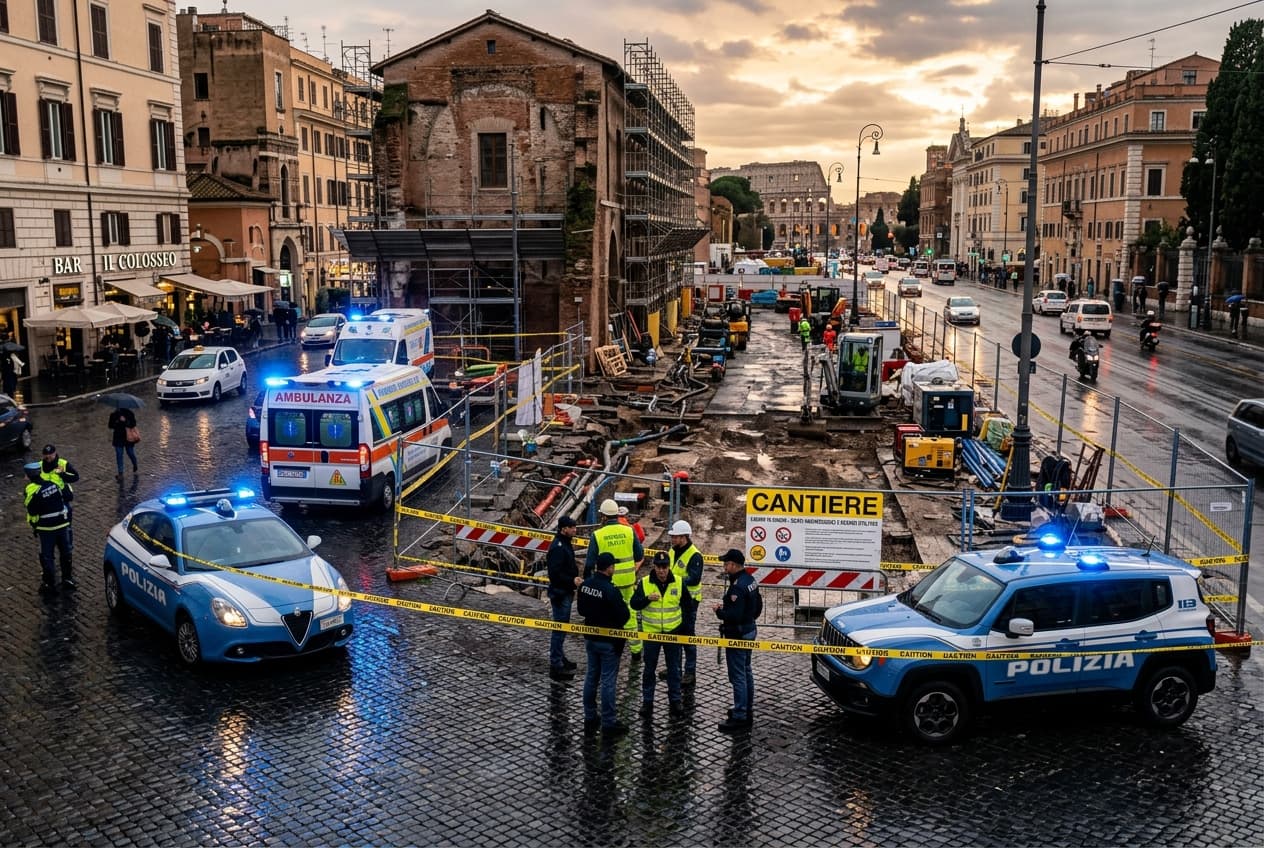
AI Image Disclaimer Visuals are AI-generated and intended for illustrative purposes only.
Sources Reuters BBC News The Guardian Al Jazeera The Times of Israel
Published by Banx Network. This article is part of the Banx decentralized media programme, powered by the BXE token on the XRP Ledger.