Key Highlights
- Residents in occupied Ukraine face rising eviction threats amid conflict.
- Official narratives of stability clash with local accounts of uncertainty.
- Human rights observers raise concerns over property rights and due process.
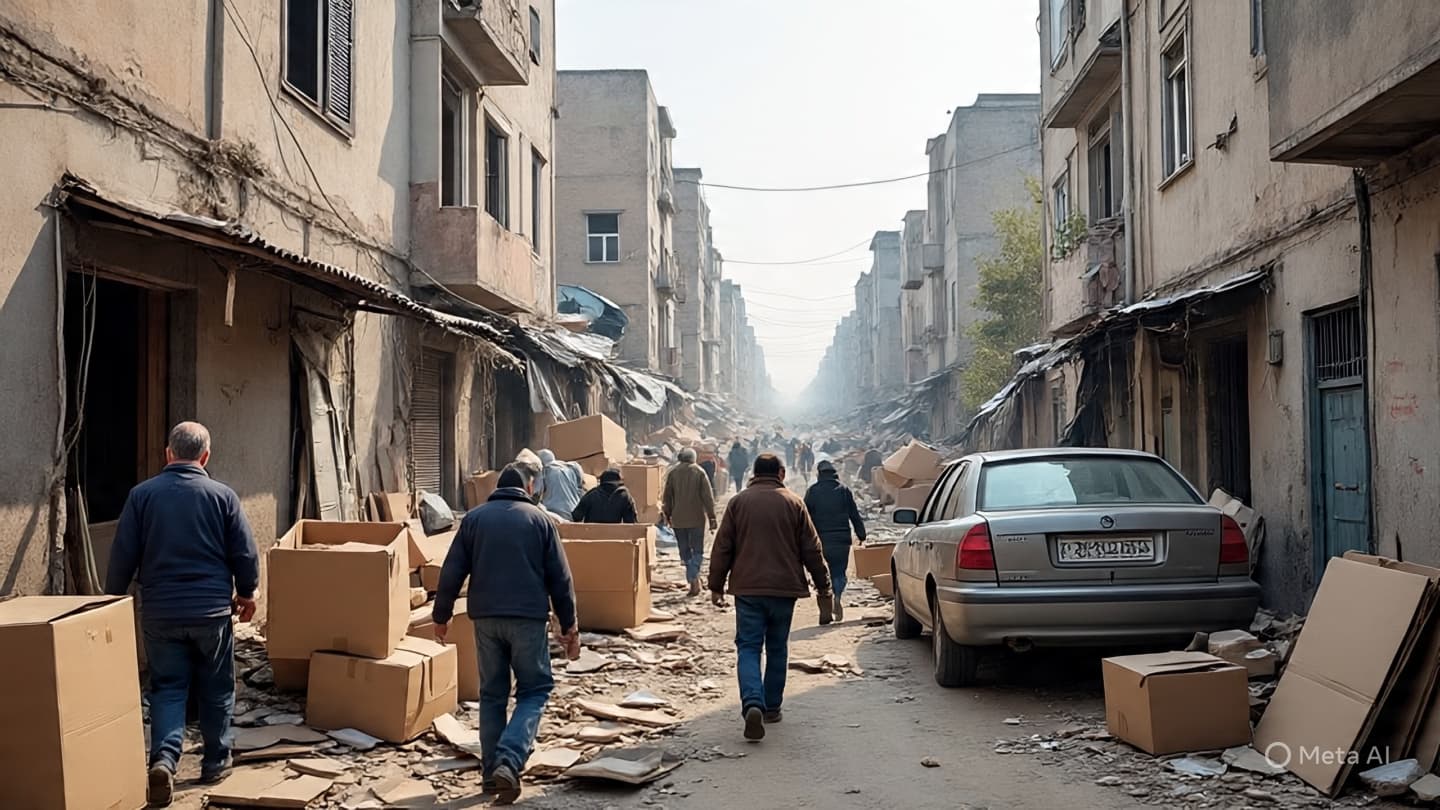
The notion of stability in housing can often mask underlying fractures, particularly in conflict-affected regions like Ukraine. Reports indicate that many residents in areas under Russian control are now facing eviction threats, raising critical questions about the long-term viability of living conditions in these territories. While official narratives have frequently highlighted reconstruction efforts and a return to normalcy, the reality on the ground tells a more complicated story.
Local accounts reveal that residents are being asked to vacate their homes, especially in regions undergoing administrative restructuring or property reallocation. The reasons for these eviction notices vary widely, encompassing legal disputes, redevelopment initiatives, and changes in ownership status as new governance systems take hold. This situation introduces a level of uncertainty that starkly contrasts with earlier assurances of improved living conditions.
Human rights observers have voiced serious concerns regarding due process and the safeguarding of civilian property rights in these areas. They emphasize that in conflict zones, legal clarity is often lacking, leaving residents with limited options to contest decisions that directly impact their homes. The absence of a robust legal framework exacerbates the challenges faced by individuals trying to navigate these turbulent circumstances.
Russian authorities assert that the administrative changes are part of broader efforts to effectively integrate and manage the territories. However, independent verification of these claims remains elusive, particularly due to restricted access for international observers. This lack of transparency raises further questions about the legitimacy of the processes being implemented.
The ongoing geopolitical tensions and the persistent impact of the conflict on civilian life underscore the critical nature of housing security. In stable environments, housing is often taken for granted, but in regions where governance and legal frameworks are in flux, it becomes a pressing issue. Residents report a pervasive sense of uncertainty, complicating long-term planning and emotional ties to their communities.
For many, the prospect of relocation is not merely a logistical hurdle but also an emotional upheaval, deeply intertwined with their sense of identity and belonging. Analysts suggest that these developments could significantly shape international perceptions of the situation in occupied territories, especially as humanitarian concerns continue to dominate global discussions.
The evolving landscape in Ukraine highlights the necessity for transparency and accountability in conflict zones. The experiences of individuals often reveal nuances that broader narratives may overlook, emphasizing the need for a more comprehensive understanding of the challenges faced by those living in such precarious conditions.
Published by Banx Network. This article is part of the Banx decentralized media programme, powered by the BXE token on the XRP Ledger.