Some roads carry more than vehicles. They carry the quiet routines of mornings, the steady rhythm of workdays, the laughter of families traveling between towns. And sometimes, too often, they carry sudden silence. In the wide-open spaces of southern Africa, where highways stretch toward distant horizons, the cost of a moment can linger far longer than the journey itself.
Namibia has recorded 56 road deaths in the first six weeks of 2026, according to national traffic authorities. The figure, covering the early stretch of the new year, has drawn renewed attention to road safety in a country where long distances and high-speed travel are common features of daily life.
Officials reported that the fatalities stemmed from multiple crashes across urban and rural areas. Contributing factors cited include speeding, reckless driving, fatigue, and alcohol-related incidents. Law enforcement agencies have intensified patrols and roadside inspections, particularly along major transport corridors that connect the capital, Windhoek, with coastal and northern regions.
Namibia’s road network, while relatively well maintained compared to many in the region, traverses vast and sparsely populated terrain. Long, straight highways can create a false sense of security for drivers, experts say, increasing the risk of excessive speed. Combined with limited emergency response times in remote areas, accidents can quickly turn severe.
Authorities have indicated that public awareness campaigns are being reinforced, with renewed messaging focused on seatbelt use, adherence to speed limits, and responsible driving during weekends and holiday periods. Road safety advocates emphasize that behavioral change remains as crucial as enforcement measures. Each statistic, they note, represents an individual life and a family reshaped by loss.
The early tally also invites comparison with previous years’ figures, as officials assess whether the current pace reflects a seasonal spike or a broader trend. Traffic volumes often rise at the start of the year due to travel linked to holidays and economic activity, adding pressure to national highways.
Community leaders and civil society groups have echoed calls for sustained vigilance. Beyond stricter policing, discussions include improving driver education, expanding road signage in high-risk areas, and enhancing data collection to better identify accident hotspots.
For now, the number stands as a sober marker of the year’s opening weeks. Authorities have pledged continued monitoring and enforcement efforts, urging motorists to approach every journey with caution. As Namibia moves further into 2026, the hope remains that the long roads stretching across its landscapes will carry more arrivals than farewells.
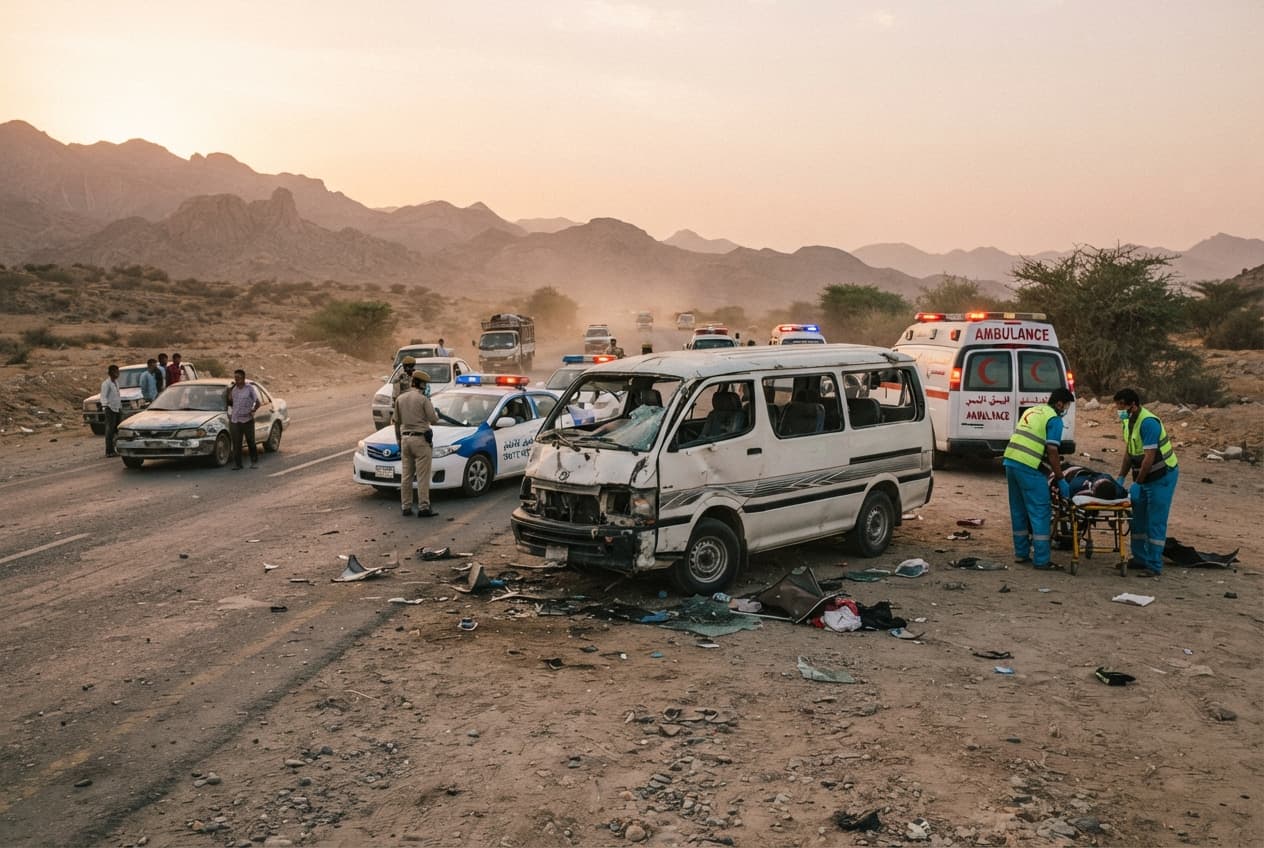
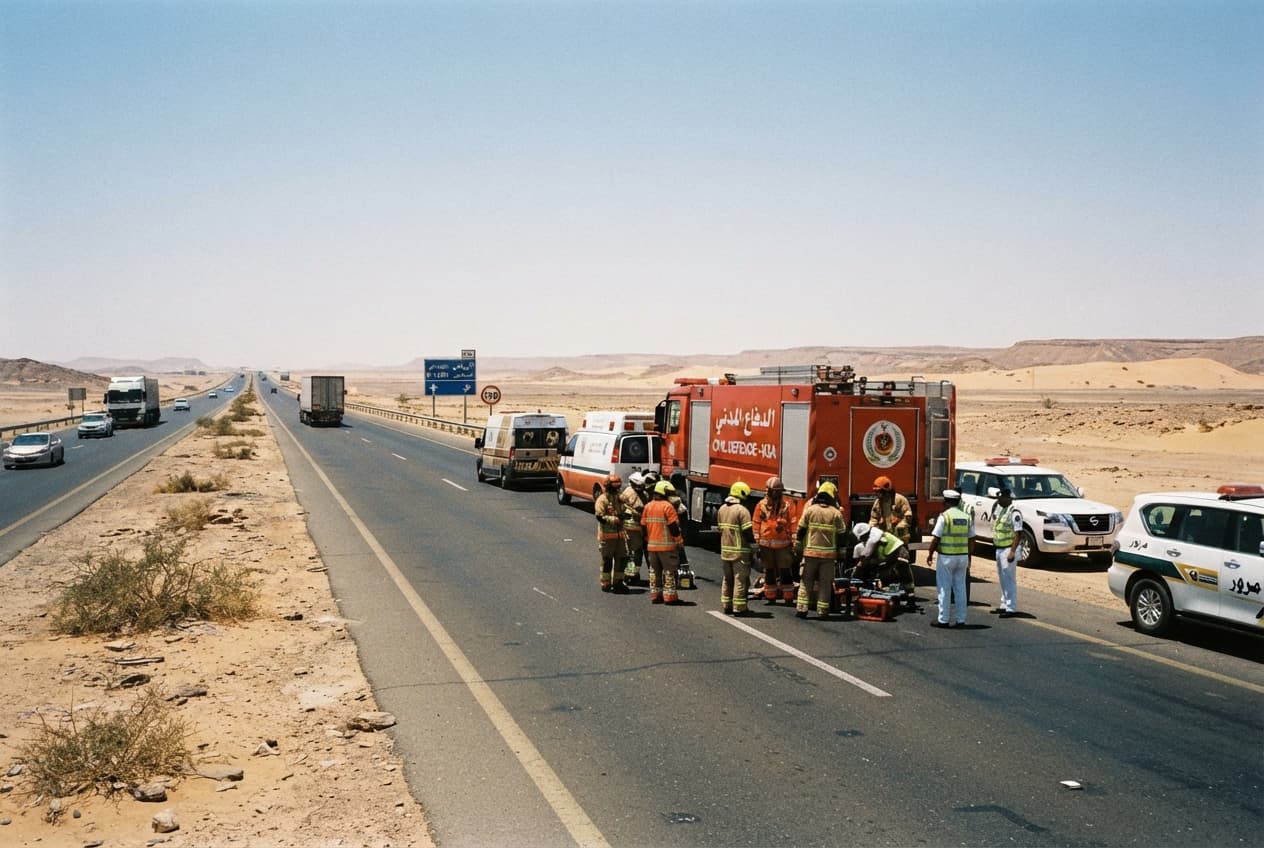
AI Image Disclaimer Images in this article are AI-generated illustrations, meant for concept only.
Source Check: Reuters BBC News Namibian Sun The Namibian AllAfrica
Published by Banx Network. This article is part of the Banx decentralized media programme, powered by the BXE token on the XRP Ledger.