
Key Highlights
- Proposal:Mayor Zohran Mamdani advocates for a luxury property tax.
- Symbolism:Ken Griffin's $238 million penthouse sparks debate.
- Economic Impact:Concerns arise over potential effects on New York's economy.
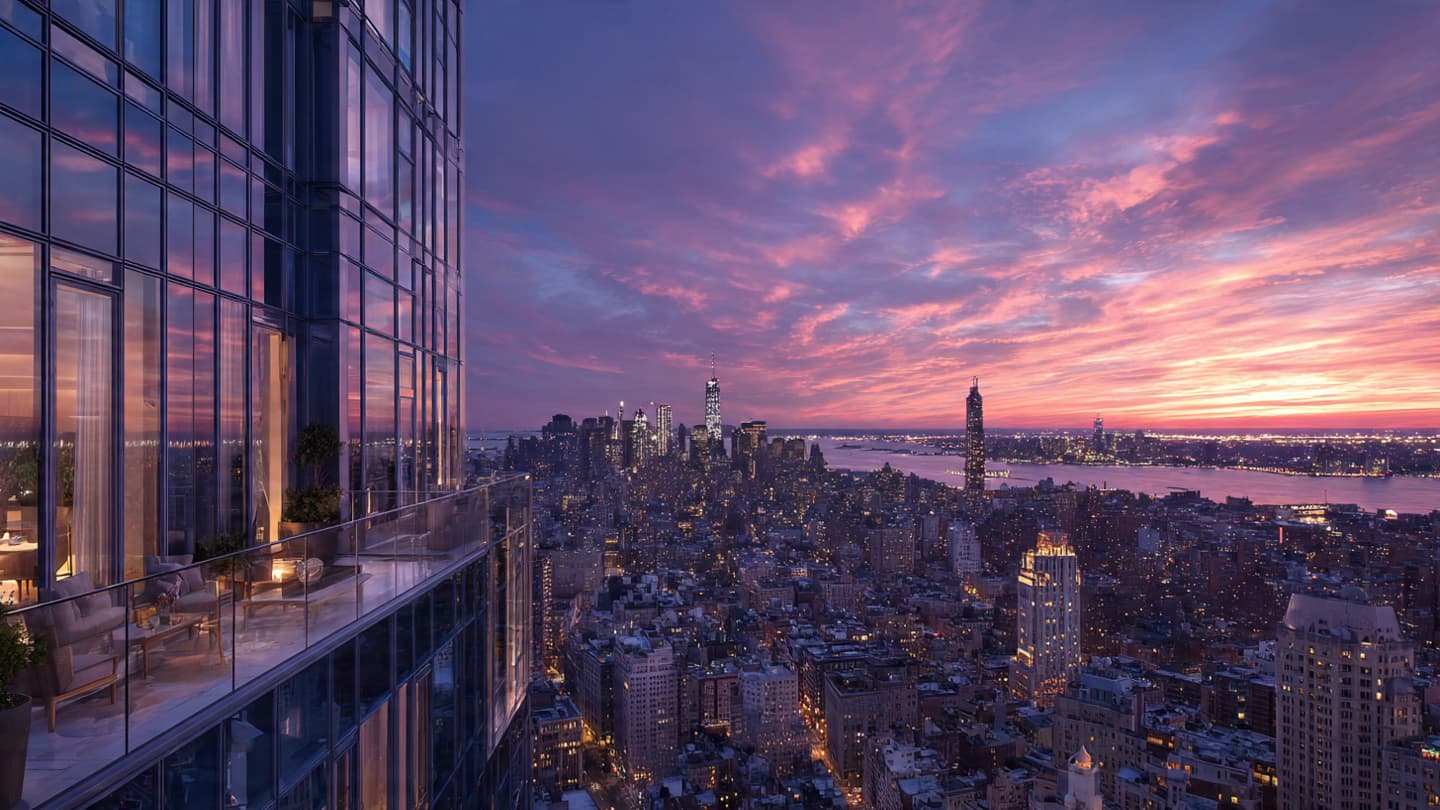
The skyline of New York City serves as a stark representation of its economic disparities, where opulent penthouses and bustling subway stations coexist in close proximity. Recently, this contrast has reignited political discussions surrounding luxury property taxation, particularly in light of Mayor Zohran Mamdani's proposal linked to billionaire Ken Griffin's record-setting $238 million penthouse.
Mamdani's proposal aims to reform the property tax structure for ultra-luxury homes, a move that has garnered significant attention after he publicly referenced Griffin's penthouse. Advocates for the tax reform argue that it addresses long-standing inequities in New York's property tax assessments, which often undervalue high-end residences compared to their market worth. This discrepancy has led to a situation where working- and middle-class homeowners may bear a heavier tax burden relative to wealthier property owners.
The public discourse surrounding this proposal has largely focused on the symbolism of targeting one of the nation's most expensive homes. However, analysts emphasize that the core issue extends beyond Griffin's penthouse to the broader implications of how luxury real estate is taxed and how tax burdens are distributed across different neighborhoods. Critics of the current system assert that it disproportionately affects lower-income homeowners, raising questions about fairness in taxation.
The proposal has elicited strong reactions from various sectors, particularly from the financial and real estate industries. Ken Griffin himself has criticized the political narrative surrounding the tax proposal, arguing that it could drive wealthy individuals and businesses away from New York. Business leaders echo this sentiment, warning that aggressive rhetoric toward affluent residents may deter investment and economic activity in the city.
Supporters of Mamdani's initiative contend that New York's ongoing affordability crisis necessitates a reevaluation of wealth taxation. Rising housing costs, strained public services, and increasing economic inequality have intensified the urgency of these discussions. For many residents, Griffin's penthouse has become a symbol of the broader issues of urban inequality, overshadowing the property itself.
Conversely, opponents caution that New York's economy heavily relies on high-income taxpayers and major financial firms. Real estate executives argue that confrontational political messaging could undermine the city's competitiveness, especially as businesses have the option to relocate to states with lower tax burdens. This tension highlights the delicate balance city officials must strike between addressing inequality and maintaining a favorable business environment.
Ultimately, the debate surrounding luxury taxation in New York reflects a larger, ongoing conversation about how to equitably share prosperity in urban areas marked by stark wealth disparities. As discussions continue, the implications of Mamdani's proposal will likely extend beyond a single property or political figure, influencing the broader national dialogue on taxation, housing, and the responsibilities of wealth in an increasingly divided economic landscape.
City officials and policy advocates are expected to engage in further discussions regarding the proposal in the upcoming months, while both business groups and residents remain attentive to how these conversations may shape New York's economic and political future.
Published by Banx Network. This article is part of the Banx decentralized media programme, powered by the BXE token on the XRP Ledger.



