

Key Highlights
- Upcoming Supreme Court decisions could reshape immigration and voting rights.
- Legal scholars warn of significant implications for federal authority.
- Historical context shows the court's rulings often last for decades.
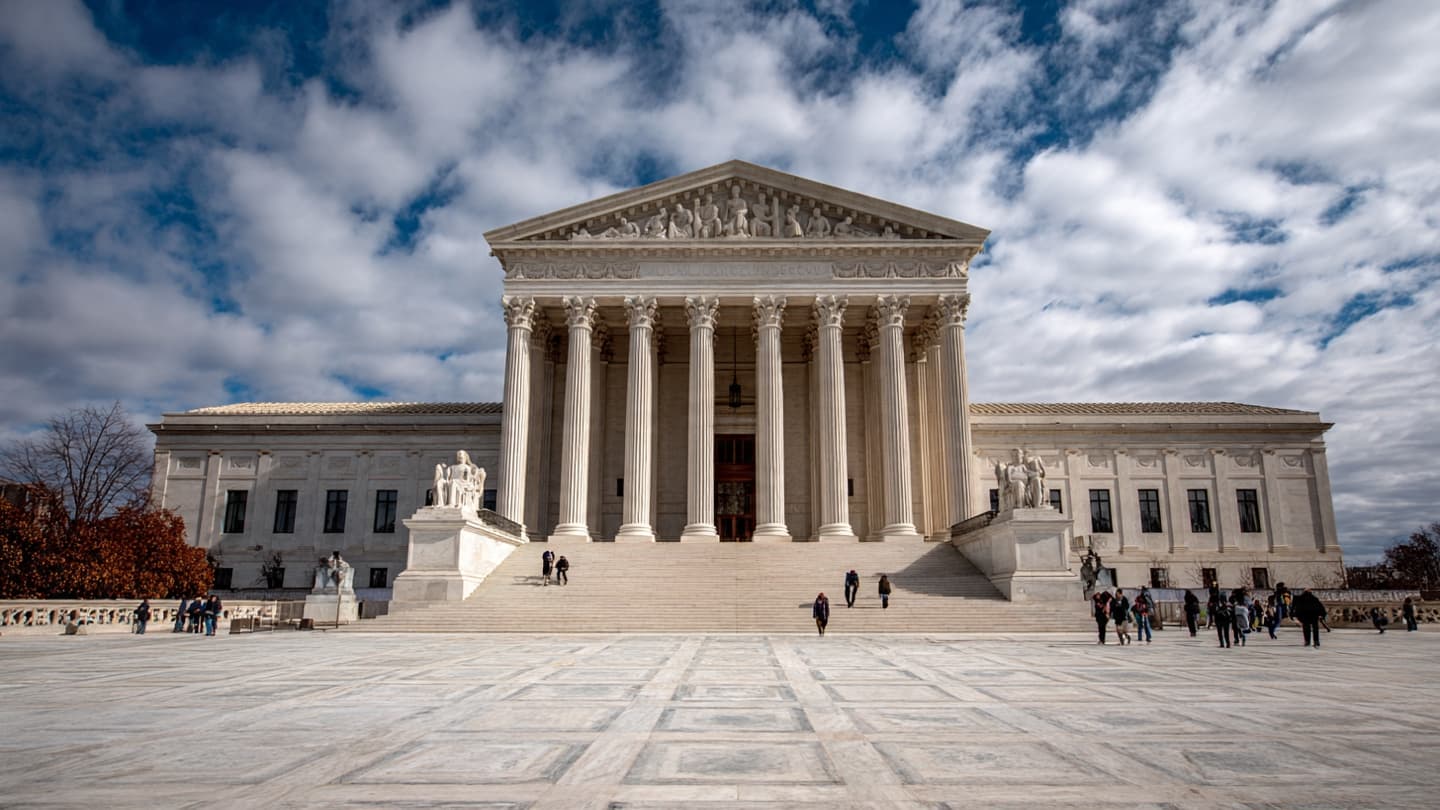
As the United States Supreme Court approaches a pivotal judicial term, the nation is bracing for decisions that could have profound implications for immigration policy and voting rights. The marble steps of the Supreme Court have long served as a backdrop for rulings that not only influence legal frameworks but also resonate throughout American society for generations.
This term, the court is expected to tackle several high-profile cases that challenge the boundaries of executive power and the implementation of immigration policies. Legal experts are closely monitoring these cases, as they could redefine the extent to which federal authorities can enforce immigration laws. The outcomes may set precedents that affect millions of lives, particularly in a country where immigration remains a contentious issue.
In addition to immigration, the court's decisions on voting rights are anticipated to spark significant debate. With upcoming elections on the horizon, questions surrounding electoral procedures, district boundaries, and ballot access are at the forefront of public discourse. Advocates and opponents alike are vocal about their concerns, emphasizing the importance of fair and equitable voting practices.
The Supreme Court's role in shaping public policy is underscored by its historical decisions, which have often led to sweeping changes in American society. Landmark rulings on civil rights and executive authority have established legal precedents that endure long after the cases are decided. As such, the current term's decisions are likely to influence not just the legal landscape but also the political conversations occurring within Congress and state legislatures.
Observers note that regardless of the outcomes, the implications of these rulings will extend beyond the courtroom. They are expected to shape discussions among lawmakers and legal scholars, prompting a reevaluation of the balance of power between federal agencies and elected institutions. As the nation awaits the court's opinions, the focus remains on how constitutional principles will be interpreted amid rapid political and social changes.
In this context, the Supreme Court stands at a crossroads, with its decisions poised to echo across America. The legal interpretations made in the coming months will not only affect current policies but may also set the tone for future judicial considerations.
As the public and legal communities prepare for these significant rulings, the anticipation builds around how the court will navigate the complexities of immigration and voting rights in a divided political landscape. The outcomes could very well redefine the relationship between citizens and their government, making this term one of the most consequential in recent history.
Published by Banx Network. This article is part of the Banx decentralized media programme, powered by the BXE token on the XRP Ledger.




