The Times reported that the index is being viewed by some investors as underpriced relative to international markets. The argument is based partly on valuations, dividend yields and the composition of companies listed on the London exchange.
The FTSE 100 is different from many technology-heavy indices. Its largest constituents include energy companies, banks, pharmaceutical businesses, consumer groups and mining companies. The result is an index whose performance is closely linked to global commodity prices, currencies and international economic conditions.
That composition has sometimes been seen as a disadvantage during periods when investors favor rapidly expanding technology companies. But the same structure can become attractive when markets begin looking for income, defensive businesses or companies trading at more modest valuations.
Dividend payments are particularly important. Many FTSE 100 companies have historically returned significant portions of their profits to shareholders, making the index relevant to investors seeking income as well as capital appreciation.
Currency movements can also influence the picture. Many FTSE 100 companies generate substantial revenue outside Britain, meaning that changes in the pound can affect the value of overseas earnings when converted into sterling.
The index's international character means it is not necessarily a pure reflection of the British domestic economy. A company listed in London may generate much of its revenue in Asia, North America, Europe or emerging markets.
That creates an unusual contrast. Britain's economy can face domestic challenges while the FTSE 100 performs strongly because global commodity prices, pharmaceutical demand or international financial conditions are favorable.
Investors are therefore examining the index through several lenses. Some see valuation discounts as an opportunity, while others remain cautious about Britain's weaker growth prospects and the structural challenges facing parts of its economy.
The question is whether the gap between London's valuations and those of other major markets can eventually narrow. If investors begin rotating toward cheaper shares and income-producing assets, the FTSE 100 could receive renewed attention.
For now, the index remains a reflection of an evolving market landscape. London may no longer dominate the global investment conversation in the way it once did, but the relative value of its companies continues to offer investors another possibility.
AI Image Disclaimer
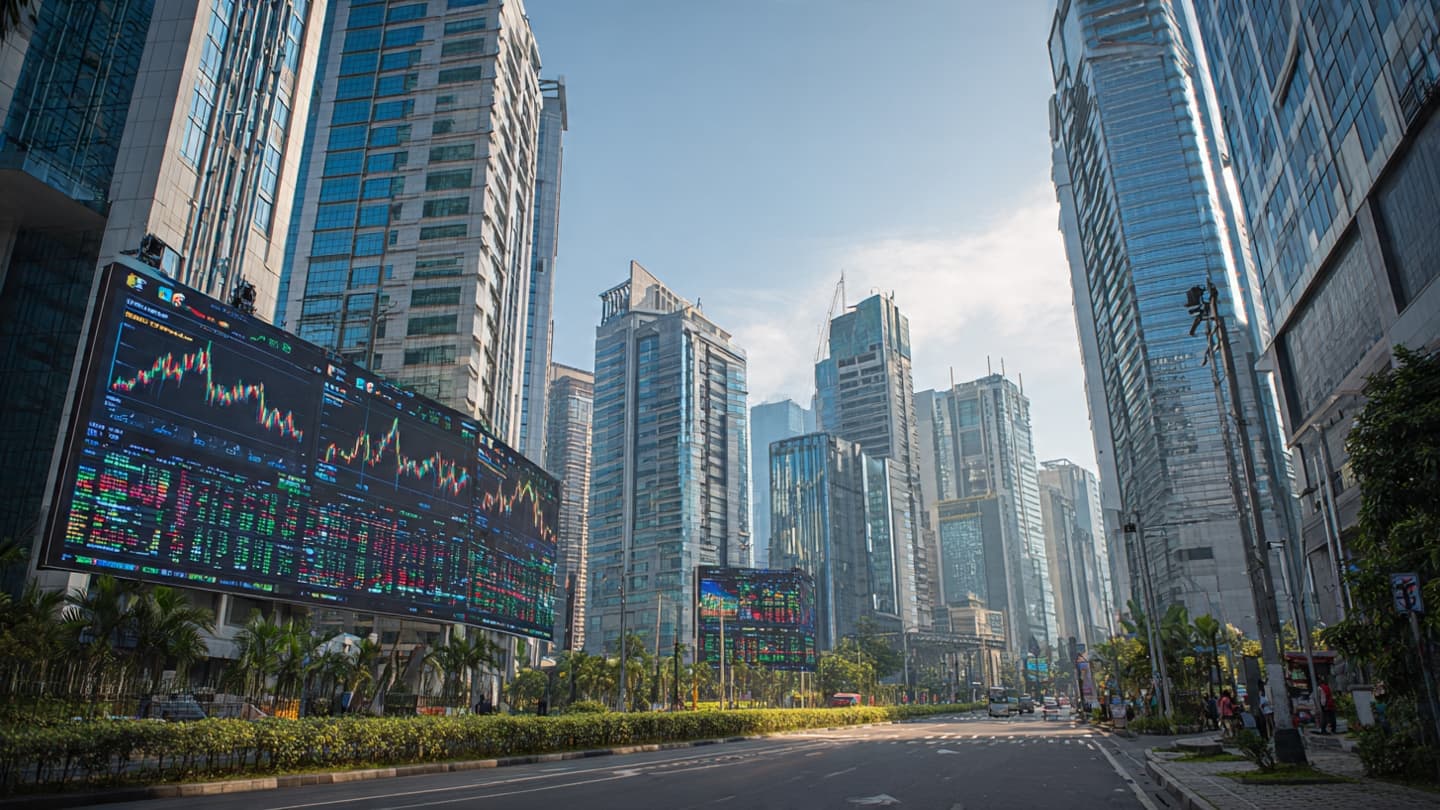
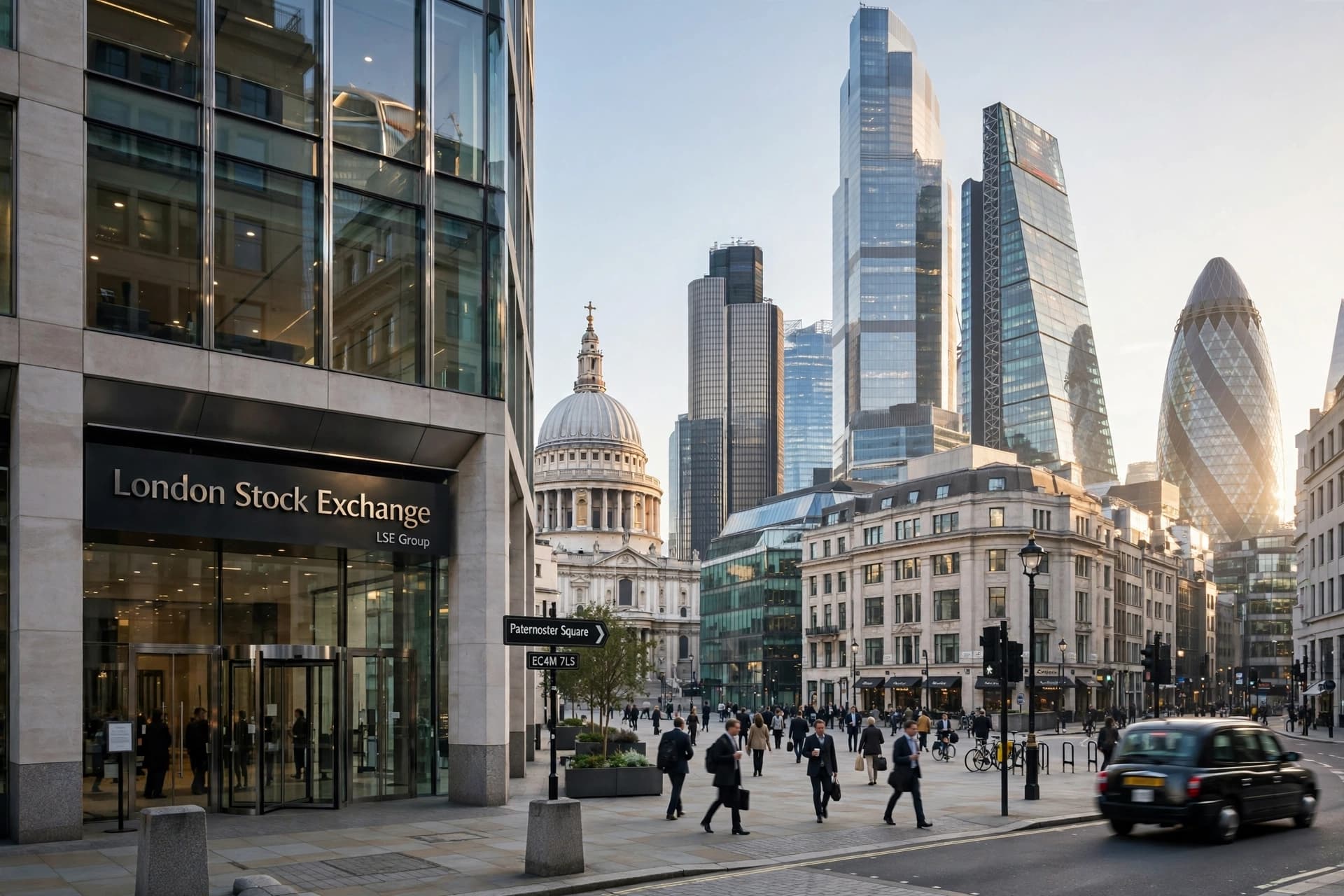
This AI-generated illustration is intended for editorial visualization only and does not depict actual trading activity or specific investors.
Sources
The Times London Stock Exchange Reuters Financial Times
Published by Banx Network. This article is part of the Banx decentralized media programme, powered by the BXE token on the XRP Ledger.

.jpeg&w=3840&q=75 "Evernorth Goes Public: Could XRPN Change the Way Wall Street Invests in XRP?")