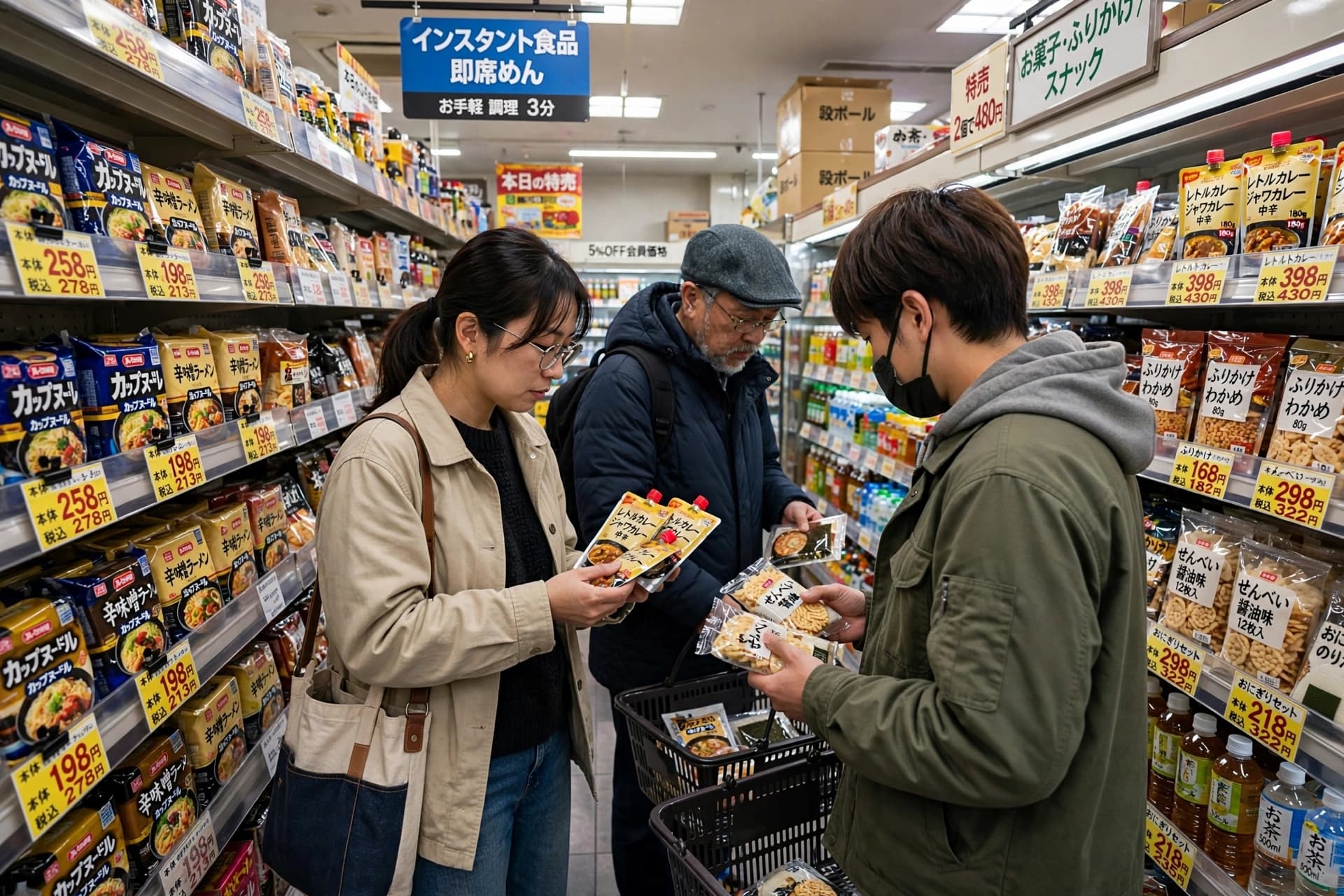
Inside Japan’s supermarkets, the changing cost of everyday life can be seen without the need for economic charts. It appears on shelves, in shopping baskets and in the quiet decisions customers make between one product and another.
York Holdings, the operator of Ito-Yokado and York-Benimaru supermarkets, is expanding its range of lower-cost products as inflation puts greater pressure on household finances. Chief Executive Seiichiro Itabashi discussed the strategy in a Reuters interview published September 18.
The company was sold by Seven & i Holdings to private-equity firm Bain Capital last year. York is now working to broaden its own product lineup and adjust pricing as competition in Japan’s supermarket industry becomes more intense.
Price-sensitive consumers have become increasingly important in that environment. Rising household expenses can change purchasing patterns, while discount supermarket chains have continued to put pressure on traditional retailers.
York plans to expand its lower-cost private-label offerings, with a target of around 400 such products by the end of 2026. The company is also considering differences in pricing between its supermarket businesses and convenience-store operations.
The strategy reflects a broader challenge for retailers operating during inflation. Raising prices can help businesses absorb higher costs, but customers may respond by choosing cheaper alternatives, reducing purchases or moving to competing stores.
For York, the issue is particularly connected to its supermarket identity. The company is seeking to adjust the perception of its stores while investing in locations and product ranges designed to respond to changing customer behavior.
The company is also preparing for a possible initial public offering by 2028. That longer-term plan places additional attention on how York develops its core supermarket business and positions itself within Japan’s fragmented retail market.
York includes more than supermarkets, with businesses such as Loft and Akachan Honpo also part of its group. The company has said it does not currently plan to sell those non-supermarket holdings, while leaving open the possibility of acquisitions to expand its core operations.
For shoppers, however, the story remains much simpler. A changing price tag can determine what goes into a basket that day. As Japanese retailers adapt to inflation, the supermarket aisle has become one of the clearest places to observe how economic changes reach ordinary household decisions.
IMAGE DISCLAIMER
Illustrations were created using AI tools and are not real photographs of the stores or customers described.
SOURCES
Reuters CNA MarketScreener Inflation News
Published by Banx Network. This article is part of the Banx decentralized media programme, powered by the BXE token on the XRP Ledger.