
Key Highlights
- China is enhancing emission reduction efforts in heavy industries.
- Industrial companies are adopting renewable energy and energy-saving technologies.
- The transition supports broader climate objectives and economic strategies.
China has long been recognized as a global manufacturing powerhouse, with its industrial regions symbolizing economic growth through relentless production and movement. However, as environmental concerns rise, these same regions are now at the forefront of a significant transformation aimed at sustainability. The Chinese government is actively promoting cleaner energy sources, improving efficiency, and modernizing manufacturing facilities to reduce emissions and environmental impacts.
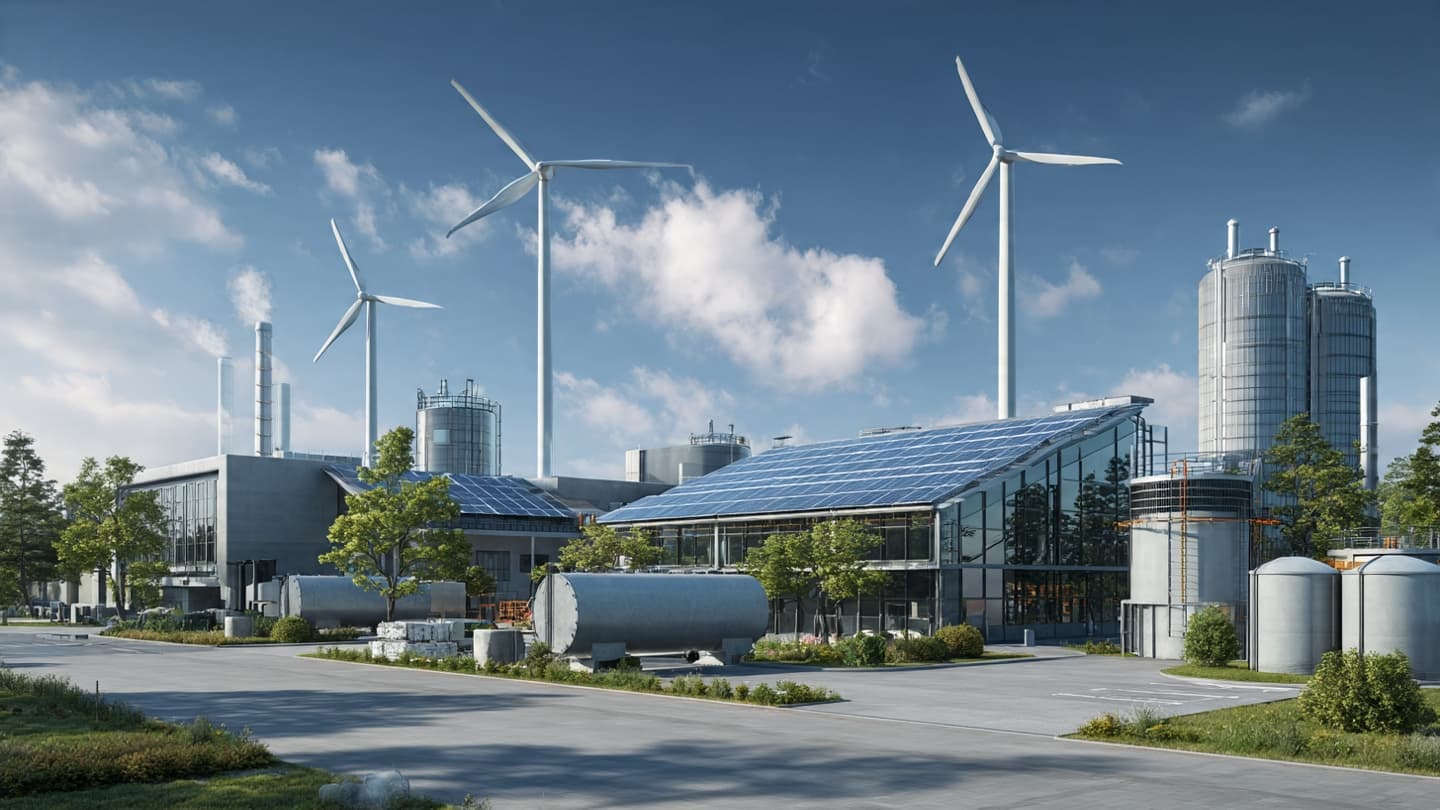
In recent years, industrial companies across China have begun to implement energy-saving technologies and renewable electricity solutions. These initiatives are designed to lower carbon emissions while maintaining productivity levels. For instance, many factories are transitioning to lower-carbon production systems, which not only help in reducing their carbon footprint but also align with global sustainability trends.
Environmental experts emphasize that industrial decarbonization is one of the most crucial long-term sustainability initiatives in China. This shift is not merely a response to domestic pressures but also a commitment to international climate goals. As part of its strategy, China aims to peak carbon emissions before 2030 and achieve carbon neutrality by 2060. The industrial sector plays a pivotal role in this journey, given its substantial contribution to the country's overall emissions.
The transition towards cleaner industrial practices is expected to be gradual, driven by technological innovation, infrastructure investments, and collaborative efforts between industries and government agencies. This cooperative approach is essential for ensuring that the shift to sustainable practices is both effective and economically viable. As industries adopt new technologies and practices, they are not only contributing to environmental goals but also enhancing their competitiveness in a global market increasingly focused on sustainability.
As implementation progresses, cleaner industrial development remains a cornerstone of China's long-term economic and environmental strategy. The government is likely to continue supporting these initiatives through policies and incentives aimed at fostering innovation and investment in green technologies. This commitment reflects a broader recognition that sustainable development is not just an environmental imperative but also an economic opportunity.
In conclusion, China's journey towards sustainable development through industrial transformation is a complex yet essential endeavor. As the nation navigates this path, the balance between economic growth and environmental stewardship will be critical in shaping its future.
Published by Banx Network. This article is part of the Banx decentralized media programme, powered by the BXE token on the XRP Ledger.



