The Indonesian dry season arrives gradually, almost unnoticed at first, as rain becomes less frequent and the landscape begins to hold the warmth of the afternoon for longer. But this September, the changing weather carries a sharper significance. Indonesia is preparing for a potentially difficult period of forest and land fires as El Niño reaches its expected peak.
The phenomenon can alter rainfall patterns across Indonesia, leaving parts of the archipelago drier than usual. For forests and peatlands, prolonged dryness can turn a relatively small ignition into a much larger challenge, particularly when vegetation and soil moisture decline over time.
Government authorities have been preparing for the possibility of increased fire activity, including efforts to monitor vulnerable areas and respond to hotspots. The scale of Indonesia's geography makes such preparation particularly important, with fire risks varying considerably between provinces and landscapes.
Peatlands remain among the areas that require particular attention. When sufficiently dry, peat can burn beneath the surface, making fires difficult to detect and extinguish. Smoke can also travel beyond the immediate area, affecting communities, transportation, and air quality.
The challenge is not entirely new for Indonesia. Forest and land fires have periodically affected parts of Sumatra and Kalimantan, with particularly severe seasons producing extensive smoke and environmental damage. The recurrence of such events has made early monitoring and rapid response increasingly important parts of seasonal planning.
Weather conditions are only one component of the risk. Human activity, land management, agricultural practices, and the availability of firefighting resources can influence whether a fire begins and how quickly it spreads. A dry climate can increase the vulnerability of the landscape, but local conditions ultimately shape the behavior of individual fires.
September is therefore being watched closely by authorities and communities in fire-prone regions. Weather forecasts, satellite observations, ground patrols, and hotspot monitoring provide different pieces of information that can help identify emerging problems before they become more difficult to contain.
The economic implications can also extend beyond forests. Fires can disrupt transportation, agriculture, local businesses, and public services, while prolonged smoke can reduce visibility and affect daily activities. For communities located near vulnerable landscapes, the beginning of September can therefore bring a period of heightened attention.
Indonesia's response will depend on how weather conditions develop in the coming weeks. The country has strengthened its monitoring and prevention systems over previous fire seasons, but the combination of dry conditions and vulnerable landscapes remains a significant challenge.
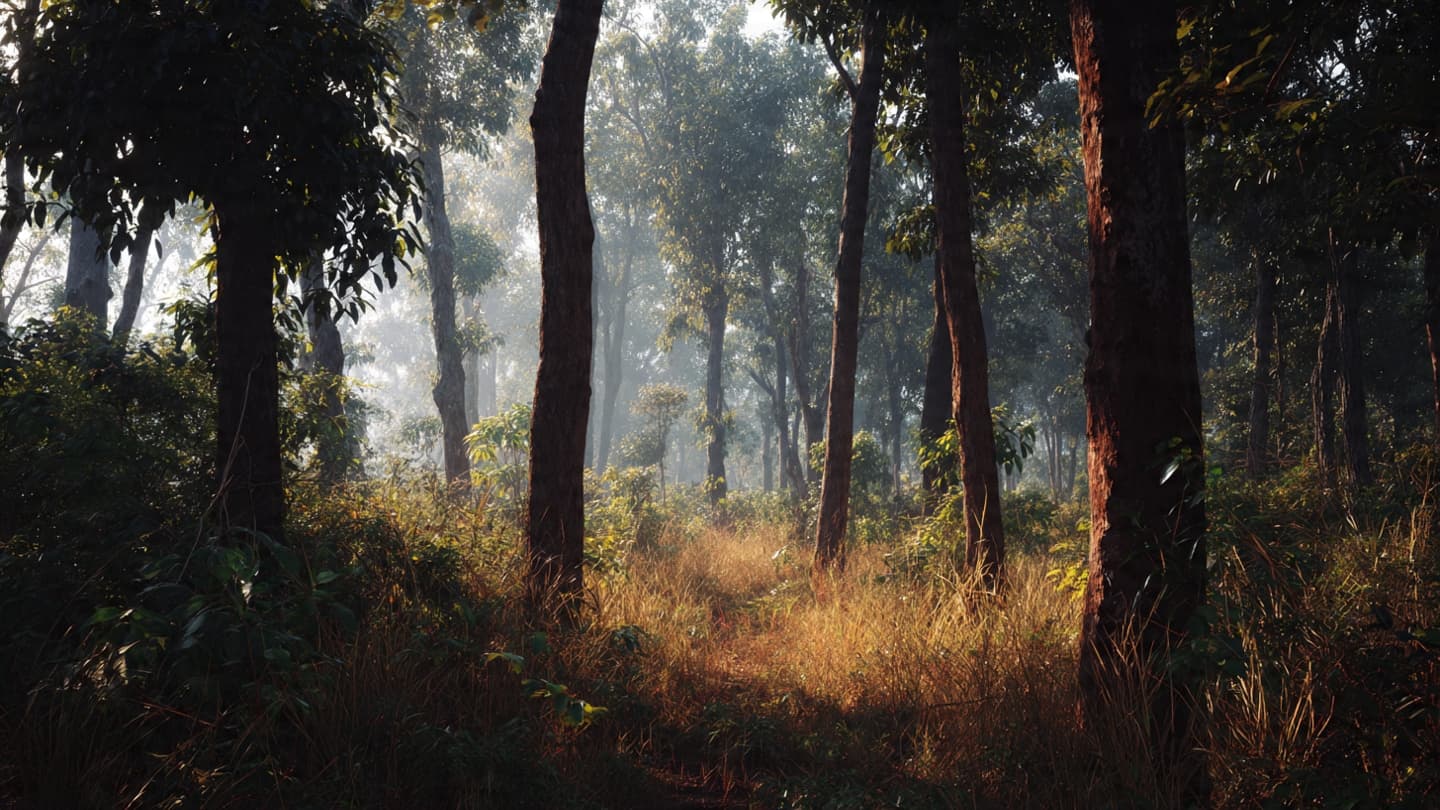
As September unfolds, Indonesia's forests will once again become a quiet indicator of the season's severity. Authorities continue monitoring fire risks and preparing responses as El Niño conditions reach their expected peak, with the coming weeks likely to determine whether the dry season remains manageable or develops into a more difficult fire period.
AI Image Disclaimer The accompanying illustrations were generated using AI and are conceptual representations of the environmental conditions described, rather than actual photographs.
Sources Reuters BMKG Antara News Mongabay The Jakarta Post
Published by Banx Network. This article is part of the Banx decentralized media programme, powered by the BXE token on the XRP Ledger.