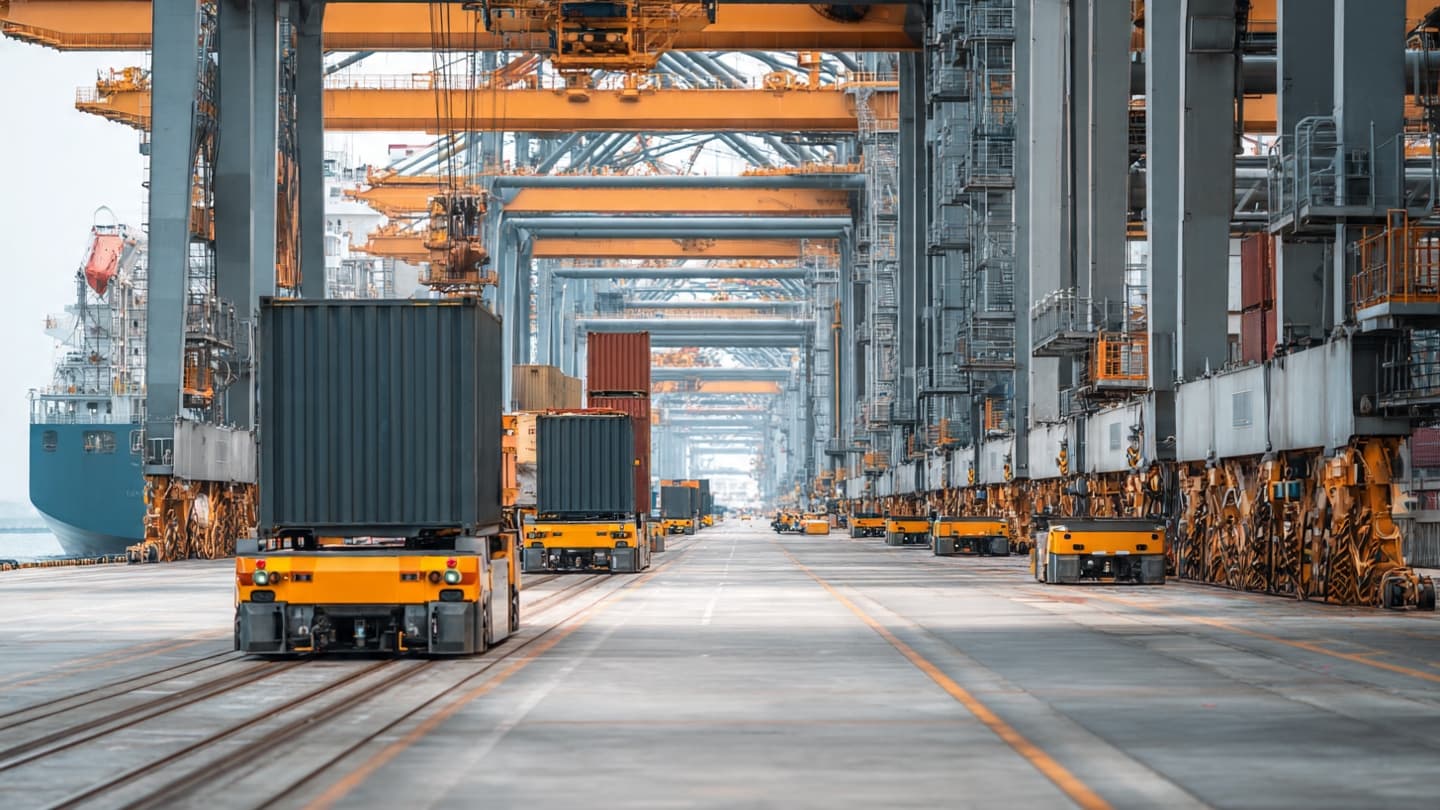
At Indonesia’s ports, the movement of cargo rarely stops for long. Ships arrive from distant waters, containers are transferred between trucks and warehouses, and commodities from across the archipelago begin another journey toward overseas markets. In July, that movement brought Indonesia’s trade balance back into surplus.
Indonesia recorded a trade surplus of about $130 million in July, reversing a $450 million deficit in June and three consecutive months of trade deficits. The result was stronger than economists had expected.
Exports increased 6% year over year to $26.22 billion, exceeding the 3.36% growth forecast in a Reuters poll. Strong shipments of coal, refined nickel, basic chemical products, and aluminum helped lift the value of goods leaving the country.
The composition of those exports reflects Indonesia’s position as a resource-rich economy. Coal remains an important source of foreign earnings, while nickel processing has become increasingly significant as global industries seek materials for batteries and other technologies.
Imports, however, rose even faster. Indonesia purchased $26.09 billion of goods from abroad in July, an increase of 27% from a year earlier. The sharp increase meant that the trade surplus remained relatively narrow despite stronger exports.
Oil imports were particularly important within the increase. Reuters reported that oil imports rose by roughly 50%, while oil and gas exports declined as domestic supply priorities affected the flow of energy commodities.
The difference between exports and imports matters because trade flows influence the country’s broader external balance. A surplus can provide support, but a narrow surplus can change quickly when commodity prices, energy costs, or domestic demand shift.
Indonesia’s manufacturing and processing ambitions also appear in the trade figures. Refined nickel and basic chemical products are part of an effort to move more activity beyond the export of raw resources and toward processed materials with greater industrial value.
The broader economy remains supported by domestic investment and consumption, while manufacturing and resource industries continue to connect Indonesia with international supply chains. The country’s large domestic market gives businesses another source of demand beyond exports.
For exporters, July’s numbers offer a welcome change after several months of deficits. Yet the rapid increase in imports shows that Indonesia’s external position remains sensitive to energy purchases and domestic economic activity.
As the second half of the year continues, the balance between commodity exports, manufactured goods, energy imports, and domestic demand will determine whether July’s surplus becomes the beginning of a steadier trend or simply another temporary movement in Indonesia’s trade cycle.
AI IMAGE DISCLAIMER
The accompanying illustrations were created with AI as conceptual representations of Indonesia’s export activity and maritime trade, not actual photographs.
SOURCES
Reuters Statistics Indonesia Bank Indonesia
Published by Banx Network. This article is part of the Banx decentralized media programme, powered by the BXE token on the XRP Ledger.