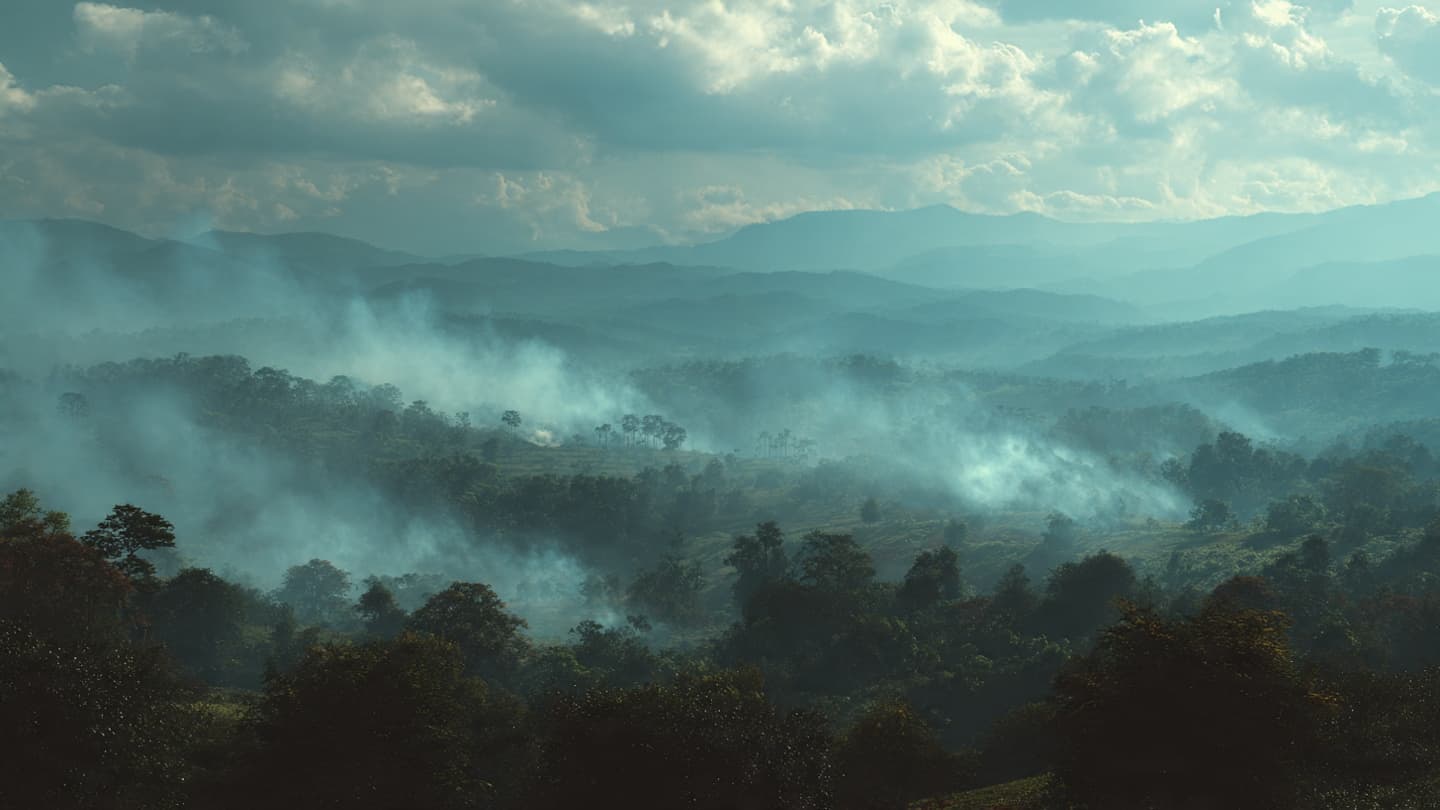
Across parts of Indonesia, smoke from wildfires has moved through the air like a thin curtain, changing the appearance of distant hills and affecting the daily routines of nearby communities. Health authorities have reported an increase in respiratory infections connected to wildfire conditions, bringing renewed attention to the relationship between environmental damage and public health.
Wildfire smoke contains a mixture of gases and fine particles that can travel across considerable distances. These particles may enter the respiratory system and cause irritation, particularly among children, older adults, pregnant women, and people with existing breathing difficulties.
The impact of smoke is not always immediately visible in medical statistics. Some people experience coughing, sore throats, headaches, or difficulty breathing, while others may continue their routines despite the gradual effects of poor air quality. In many communities, the danger develops quietly over several days.
Health facilities can face additional pressure during periods of prolonged haze. Clinics and hospitals may receive more patients reporting respiratory symptoms, while medical workers must also continue providing routine services to the wider population.
The situation highlights the importance of reliable air-quality information. Residents need access to clear updates about pollution levels, weather conditions, and practical steps to reduce exposure. Staying indoors when smoke is dense, improving ventilation when outdoor air is cleaner, and using suitable protective masks may help lower certain risks.
Schools and workplaces may also need to adjust their activities. Outdoor exercise, public gatherings, and physically demanding work can become more difficult when the air contains elevated levels of fine particles. The effects are often most pronounced for people who spend long hours outside.
Wildfires also raise questions about land management, forest protection, weather patterns, and emergency response. Dry conditions, strong winds, human activity, and limited monitoring can contribute to the spread of fire. Addressing the problem therefore requires cooperation across environmental, health, agricultural, and local government institutions.
For affected communities, the smoke can influence more than physical health. It may reduce visibility, interrupt transportation, affect local businesses, and create anxiety about the safety of children and family members. The atmosphere becomes a shared concern, reaching homes, schools, roads, and public spaces.
As Indonesia responds to the reported rise in respiratory infections, the need for prevention becomes increasingly important. Protecting the air means protecting the spaces where people live and work. Beneath the haze, the issue is not only about the fires themselves, but also about the long-term well-being of the communities that breathe their consequences.
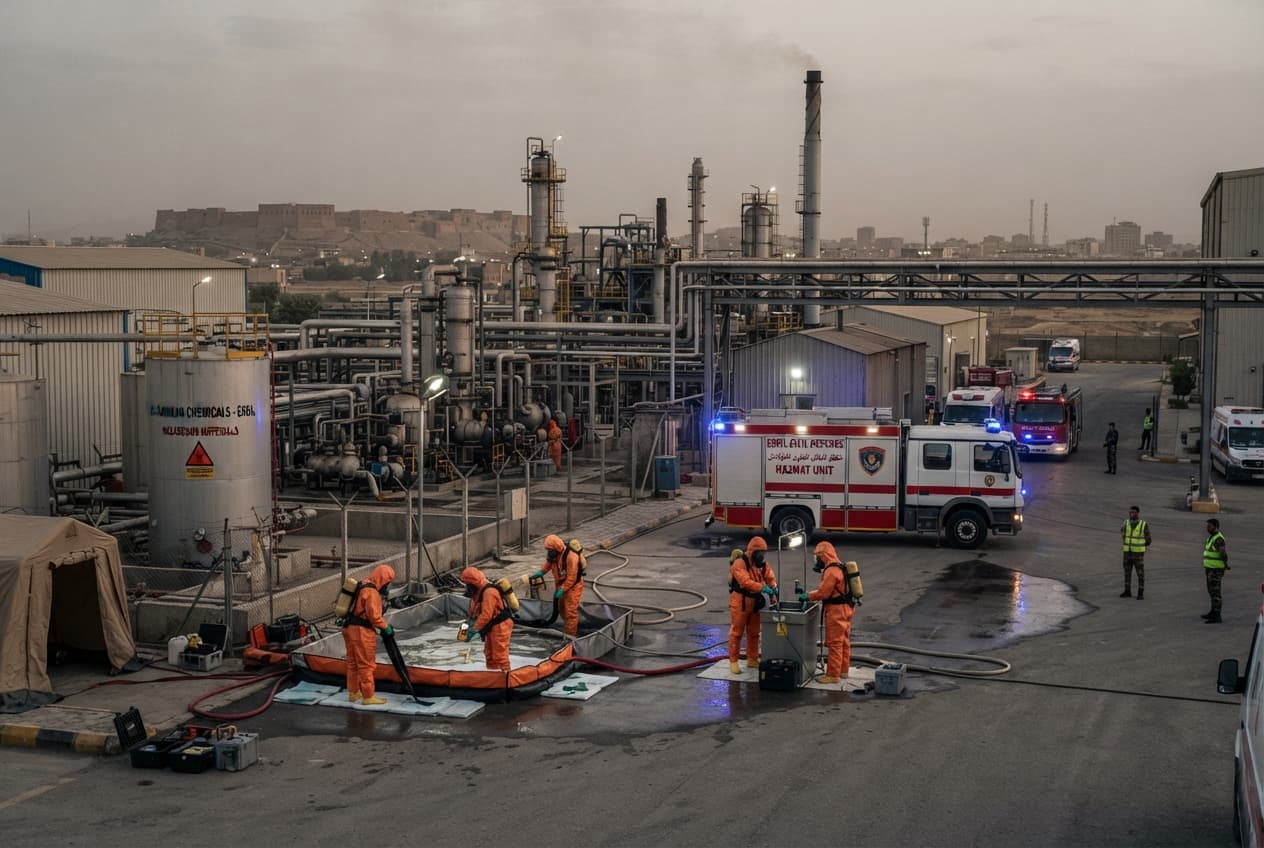
AI IMAGE DISCLAIMER: The illustration accompanying this article is AI-generated and is intended for editorial visualization only. It does not represent an actual wildfire location, patient, hospital, or official photograph.
SOURCES: Reuters Indonesian Ministry of Health Indonesian environmental authorities
Published by Banx Network. This article is part of the Banx decentralized media programme, powered by the BXE token on the XRP Ledger.