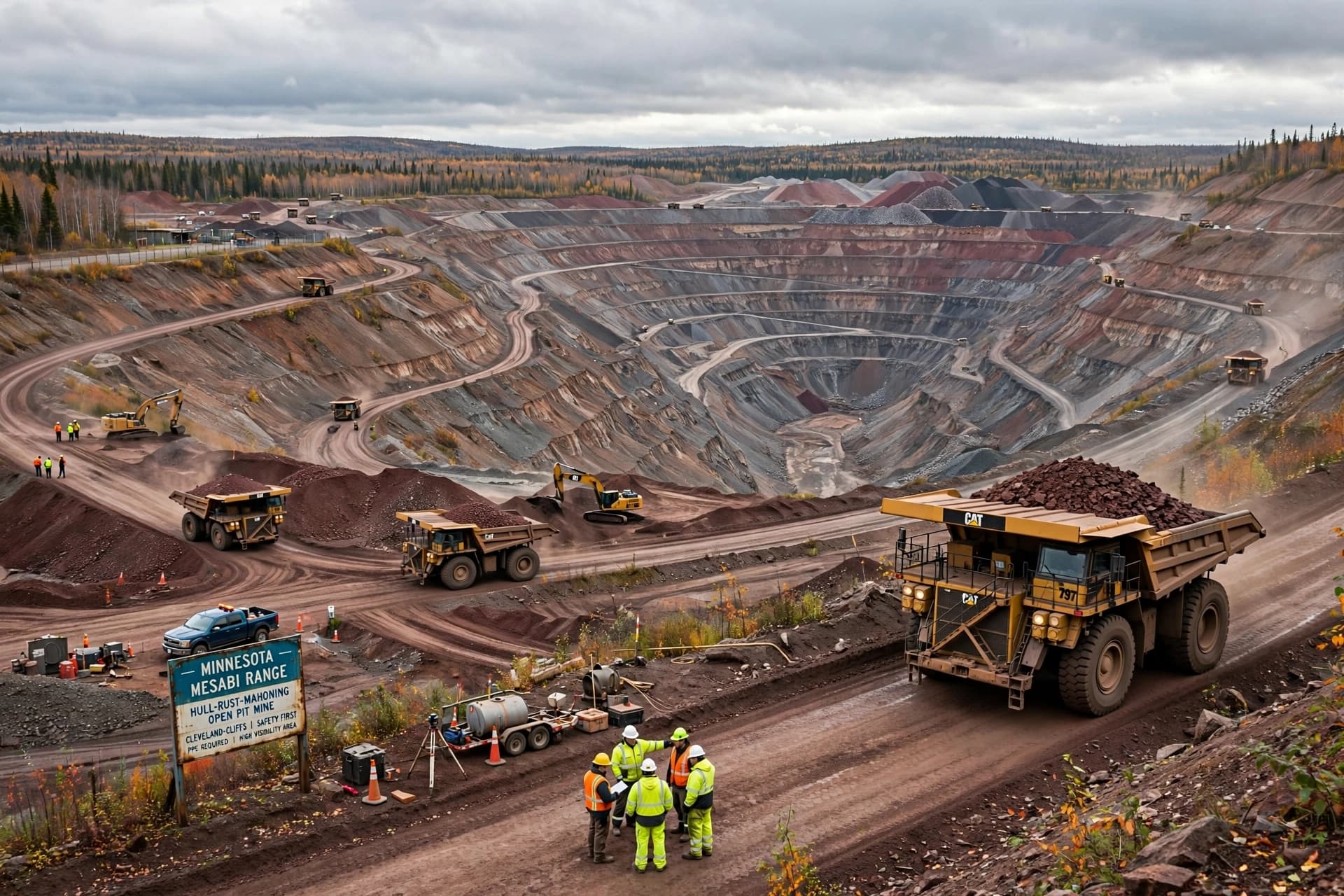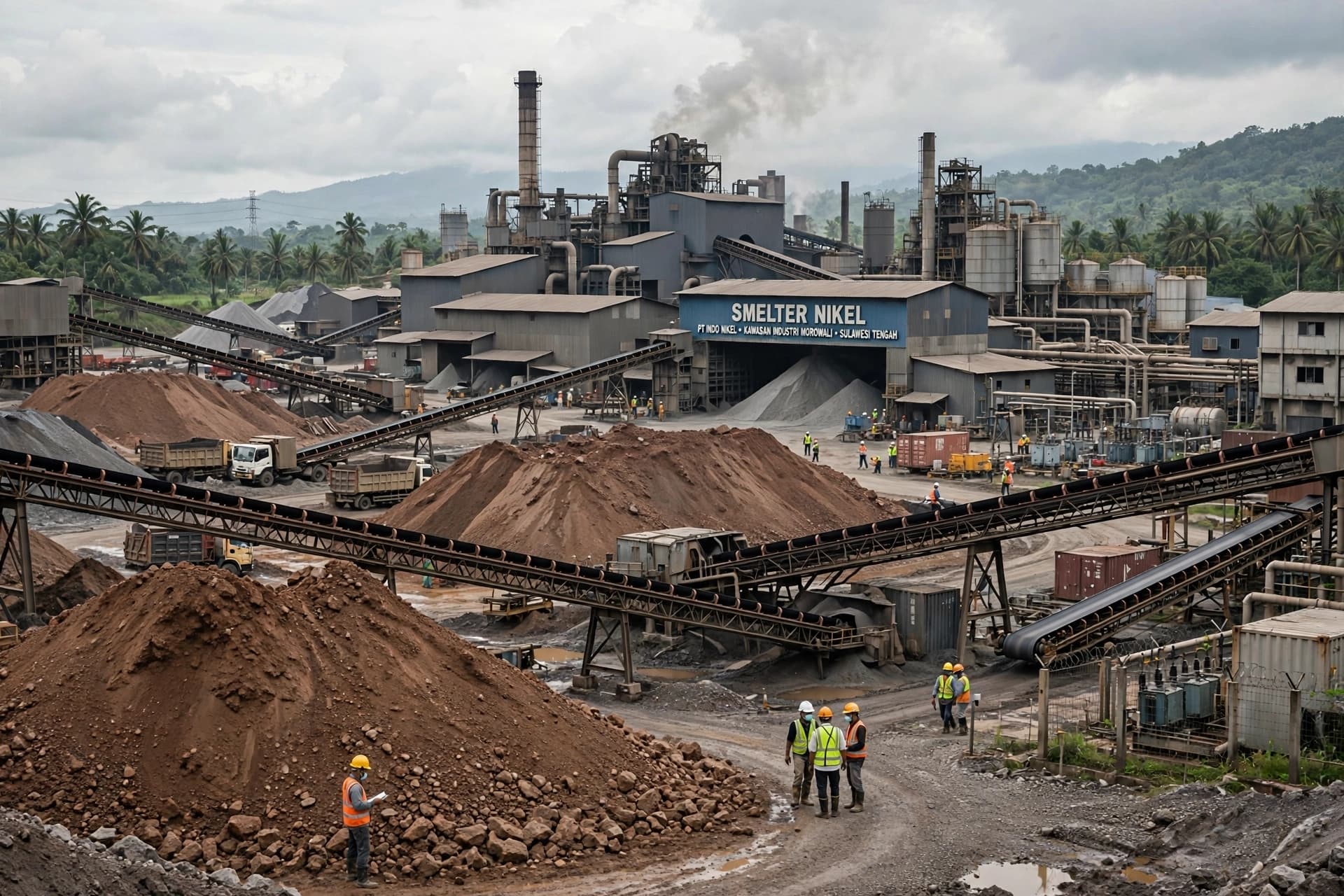
The Jakarta Post reported that Indonesia could face significant depletion of its nickel reserves within a decade if current production and processing trends continue. Irwandy Arif, president commissioner of state-owned mining company Aneka Tambang, warned that rising smelter capacity was accelerating the use of available reserves.
At current production levels, the outlook differs depending on the type of ore. Irwandy said saprolite reserves could last about six years at production of 735 million tonnes, while limonite reserves could last around 16 years. The figures illustrate how quickly the country's enormous mineral base can appear smaller when measured against rapidly expanding industrial demand.
Indonesia's transformation has been extraordinary. After banning exports of unprocessed nickel ore, the country encouraged companies to build domestic processing capacity. The strategy helped shift Indonesia from being primarily an ore exporter toward becoming a major center for nickel refining and downstream industries.
But the growth of processing facilities has created a new imbalance. The Jakarta Post reported that smelters may require between 310 million and 400 million tonnes of ore, while imports from the Philippines were only around 23 million tonnes. Domestic mining therefore remains the central source for the industry.
That dependence makes production planning increasingly important. Indonesia has already reduced mining quotas in an effort to influence market conditions, but analysts argue that production controls should focus not only on supporting prices but also on extending the life of the country's reserves.
The distinction matters because nickel is no longer simply a commodity extracted from the ground. It has become closely connected to stainless steel production, battery materials and the broader electric-vehicle supply chain. Decisions made today about how quickly ore is mined can therefore affect industrial opportunities many years into the future.
There are also signs that the industry's rapid expansion is encountering practical limits. The Jakarta Post reported that Weda Bay Nickel halted production in late May and reduced its workforce, adding another indication of the pressures developing inside a sector that once seemed to move almost entirely in one direction.
The challenge for Indonesia is consequently becoming more complex. The country wants to extract greater value from its mineral resources, but doing so requires enough ore to keep factories operating. Building more processing capacity without considering the longevity of the resource could leave an impressive industrial structure with a shrinking supply beneath it.
For the nickel industry, the next phase may therefore be less about how many new facilities can be constructed and more about how carefully existing resources are managed. The question is no longer simply how much Indonesia can produce today, but how much of the country's mineral wealth can remain available for tomorrow.
AI Image Disclaimer
This illustration was created with AI for editorial visualization and does not represent an actual mining site or specific individual.
Sources
The Jakarta Post PT Aneka Tambang Institute for Development of Economics and Finance Ministry of Energy and Mineral Resources
Published by Banx Network. This article is part of the Banx decentralized media programme, powered by the BXE token on the XRP Ledger.