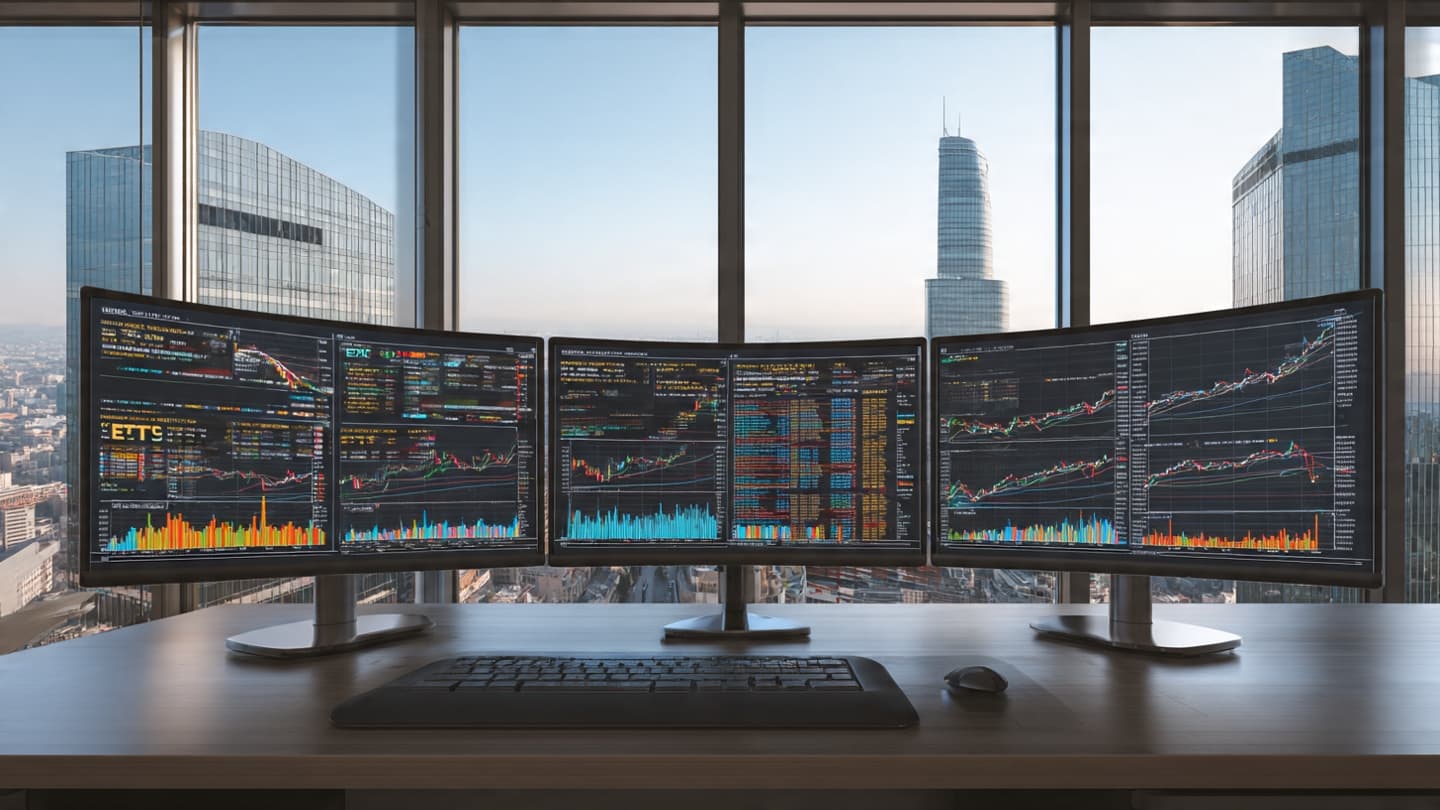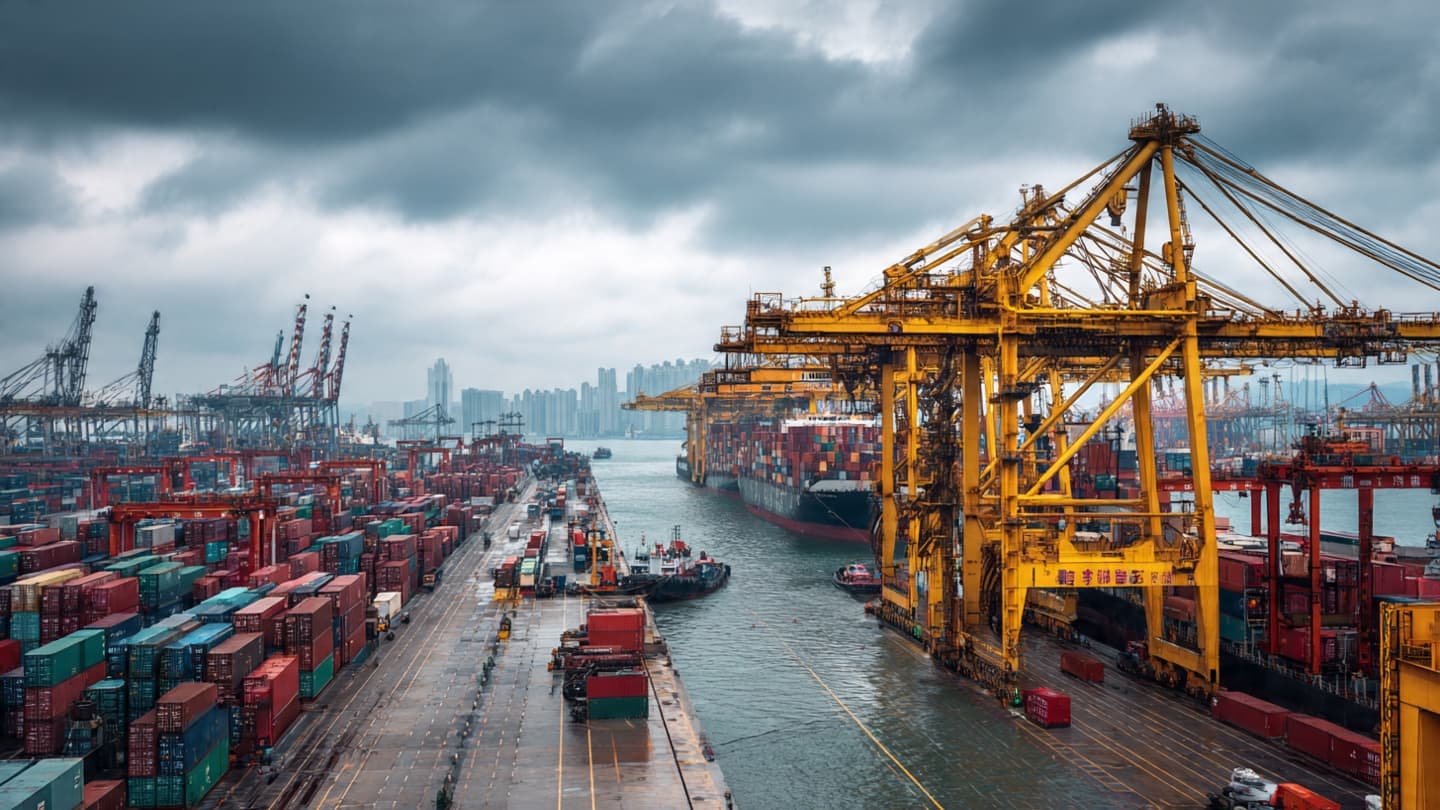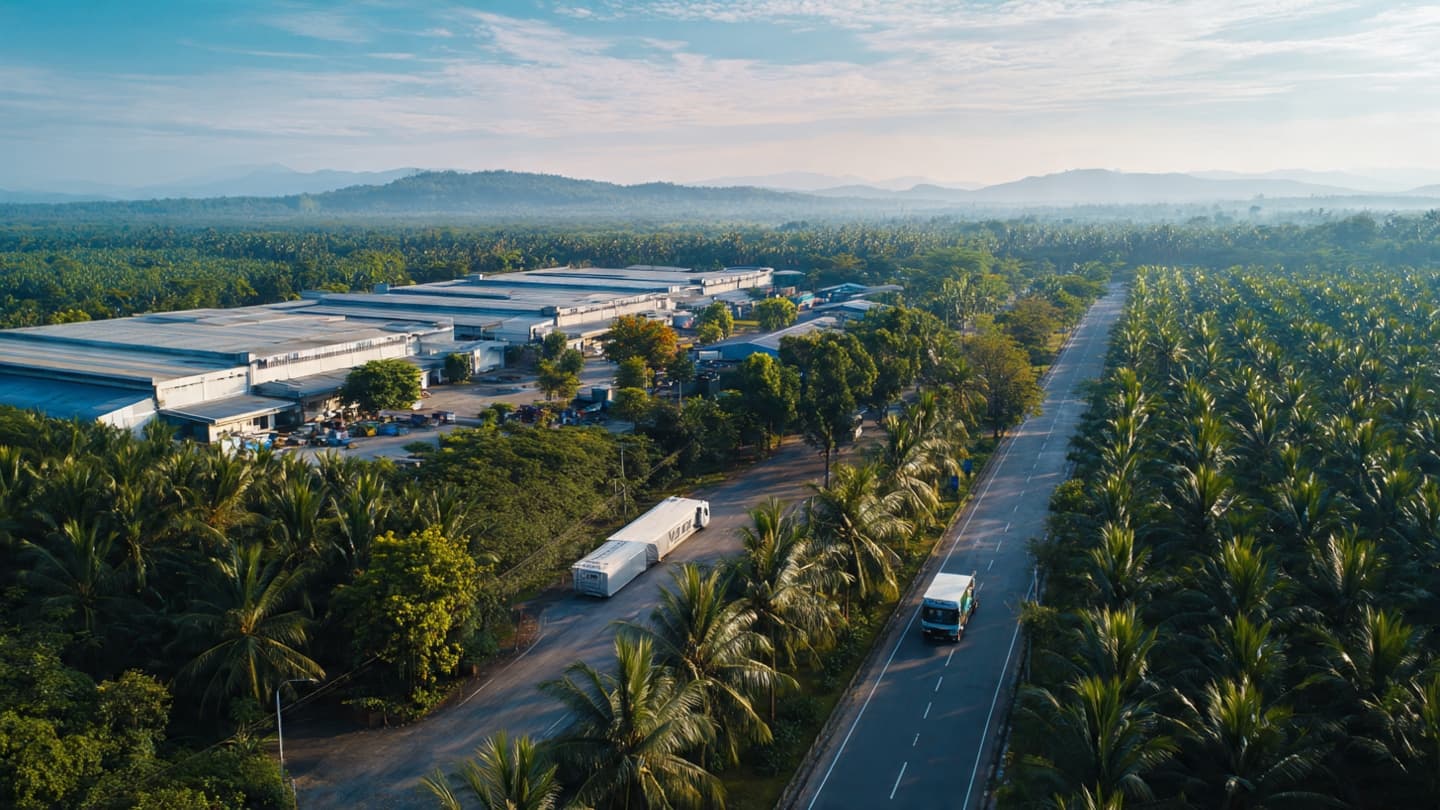
Across Indonesia's industrial zones, the movement of goods begins long before products reach a store or a shipping port. Raw materials arrive, machines start operating, workers move between production lines, and another cycle of manufacturing takes shape. Behind that daily rhythm is Indonesia's continuing effort to strengthen its industrial base.
Manufacturing remains one of the country's most important economic sectors, contributing substantially to exports, employment, and domestic production. Its development has also become increasingly connected to global companies looking for production locations within Southeast Asia.
Indonesia's large domestic market is one of the factors attracting manufacturers. A population of more than 280 million people provides companies with a substantial consumer base while also creating demand for vehicles, electronics, food products, household goods, and industrial equipment.
The country's natural resources provide another foundation. Nickel, minerals, agricultural commodities, and other resources have supported the development of processing industries intended to move Indonesia further along the value chain.
The battery industry has become one particularly visible example. Investments in nickel processing, battery materials, and electric-vehicle manufacturing have expanded as companies seek to establish supply chains closer to raw-material sources.
Indonesia is also trying to strengthen its position within regional manufacturing networks. Southeast Asia has become increasingly important as companies diversify supply chains and seek additional production locations outside traditional industrial centers.
Technology is changing the factories themselves. Automation, robotics, digital monitoring, and artificial intelligence are gradually becoming part of modern production environments, allowing companies to improve efficiency and manage increasingly complex manufacturing systems.
The transition is not uniform. Large industrial facilities can adopt advanced technology more quickly, while smaller suppliers may need additional capital and technical expertise to make similar changes.
Infrastructure remains another important consideration. Ports, roads, electricity networks, industrial estates, and telecommunications systems all influence how efficiently goods can move from factories toward domestic and international markets.
Indonesia's manufacturing future will therefore depend on several elements moving together: investment, infrastructure, skills, technology, energy, and access to markets. The industrial landscape is already changing, and the coming years will determine how deeply the country can integrate itself into higher-value global production.
AI IMAGE DISCLAIMER
These visuals were created using AI as conceptual representations of Indonesia’s manufacturing sector and are not actual photographs.
SOURCES
ANTARA News Statistics Indonesia BKPM / Ministry of Investment and Downstreaming World Bank
Published by Banx Network. This article is part of the Banx decentralized media programme, powered by the BXE token on the XRP Ledger.