Deep beneath Indonesia's soil lies a mineral that has become increasingly connected to the future of transportation. Nickel once moved quietly through global commodity markets, but the rise of electric vehicles has given the metal a new significance. Across Indonesia, mining and processing investment is increasingly tied to a broader ambition: turning natural resources into higher-value industrial products.
Indonesia possesses some of the world's largest nickel resources and has become a major producer of the metal. The government has encouraged domestic processing rather than exporting raw ore, seeking to create greater economic value through refining, battery materials and manufacturing.
The strategy has attracted substantial investment. Chinese, South Korean and other international companies have established operations connected to nickel processing and battery supply chains. Industrial parks in Sulawesi and Maluku have become important centers for this activity, bringing mines, smelters and processing facilities into increasingly complex industrial networks.
Electric vehicles have helped create the commercial rationale behind that expansion. Batteries require several critical minerals, including nickel in some commonly used battery chemistries. Although battery technology is evolving and manufacturers are increasingly diversifying away from nickel-intensive chemistries, demand for nickel remains connected to parts of the electric vehicle market.
Indonesia's position offers a potential advantage because the country can integrate several stages of the supply chain domestically. Ore can be mined, processed and transformed into materials used by battery manufacturers, reducing reliance on the export of unprocessed resources.
But the transformation also requires substantial infrastructure. Smelters and processing plants consume significant amounts of electricity, while ports, roads and industrial facilities must expand alongside production. Energy availability and reliability therefore remain important considerations for companies investing in Indonesia's downstream industries.
Environmental concerns have also accompanied the rapid expansion. Mining can alter landscapes, while processing facilities can generate emissions and waste if environmental safeguards are inadequate. The development of the nickel industry has consequently become closely linked to questions about how Indonesia can combine industrial growth with environmental management.
Global automakers are watching the supply chain closely. As electric vehicle production expands, companies want reliable access to battery materials while also attempting to reduce exposure to concentrated sources of supply. Indonesia's large nickel resources give it influence in that discussion.
At the same time, battery technology continues to evolve. Lithium-iron-phosphate batteries, for example, do not rely on nickel and have gained greater market share in several applications. This means Indonesia's long-term strategy cannot depend solely on today's battery chemistry.
The broader industrial opportunity therefore extends beyond nickel itself. Processing technology, engineering, logistics, battery manufacturing and recycling could all become parts of a more diverse industrial ecosystem. The more stages Indonesia can develop domestically, the greater the potential value captured within the country.
For Indonesia, the nickel story is ultimately about transformation. A mineral extracted from the ground is being connected to an industry associated with electric mobility, energy storage and the technological transition away from conventional engines.
The path remains complicated, requiring investment, infrastructure, environmental management and adaptation to changing battery technologies. Yet Indonesia's growing role in the nickel supply chain has already changed the country's position in the global electric-vehicle economy.
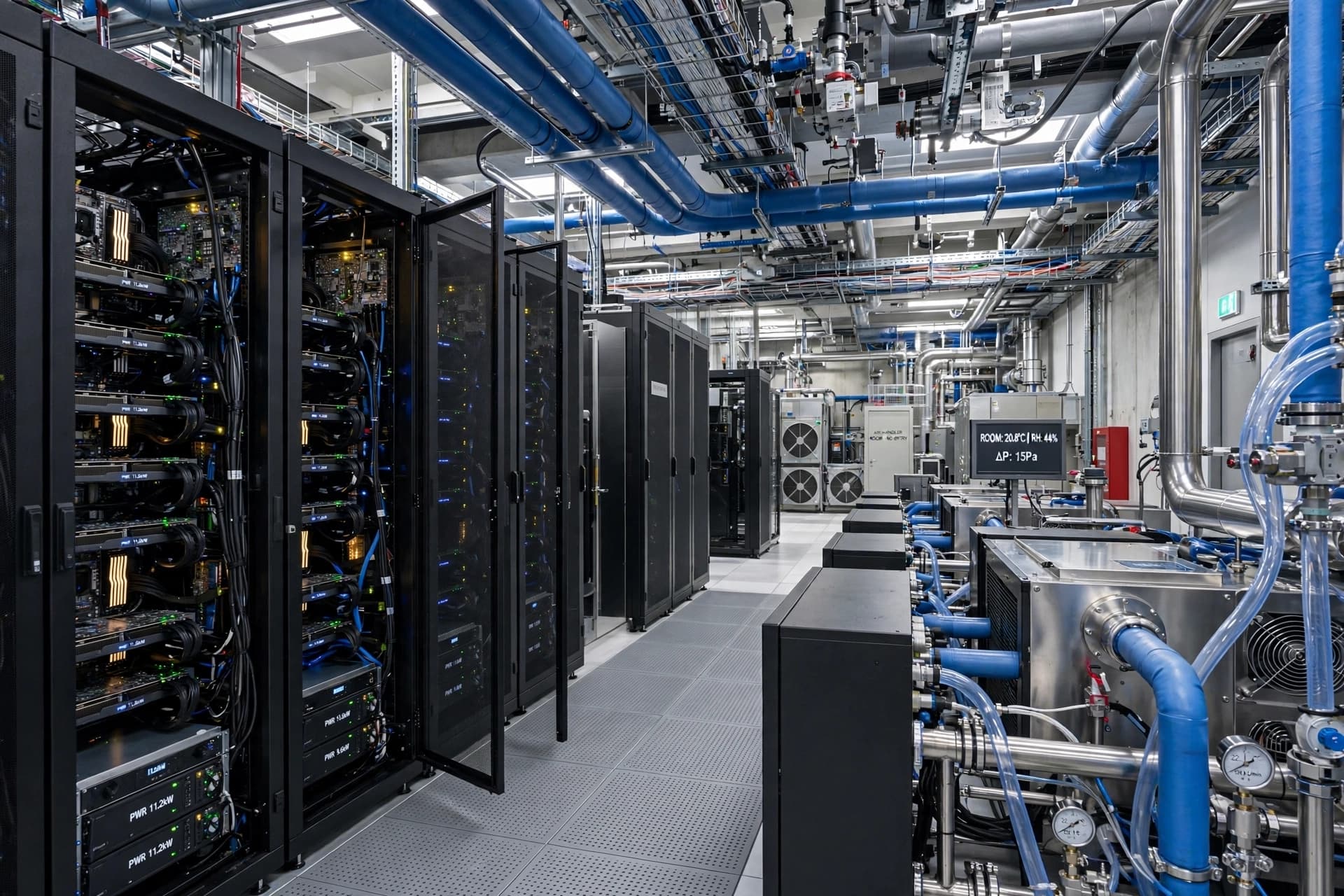
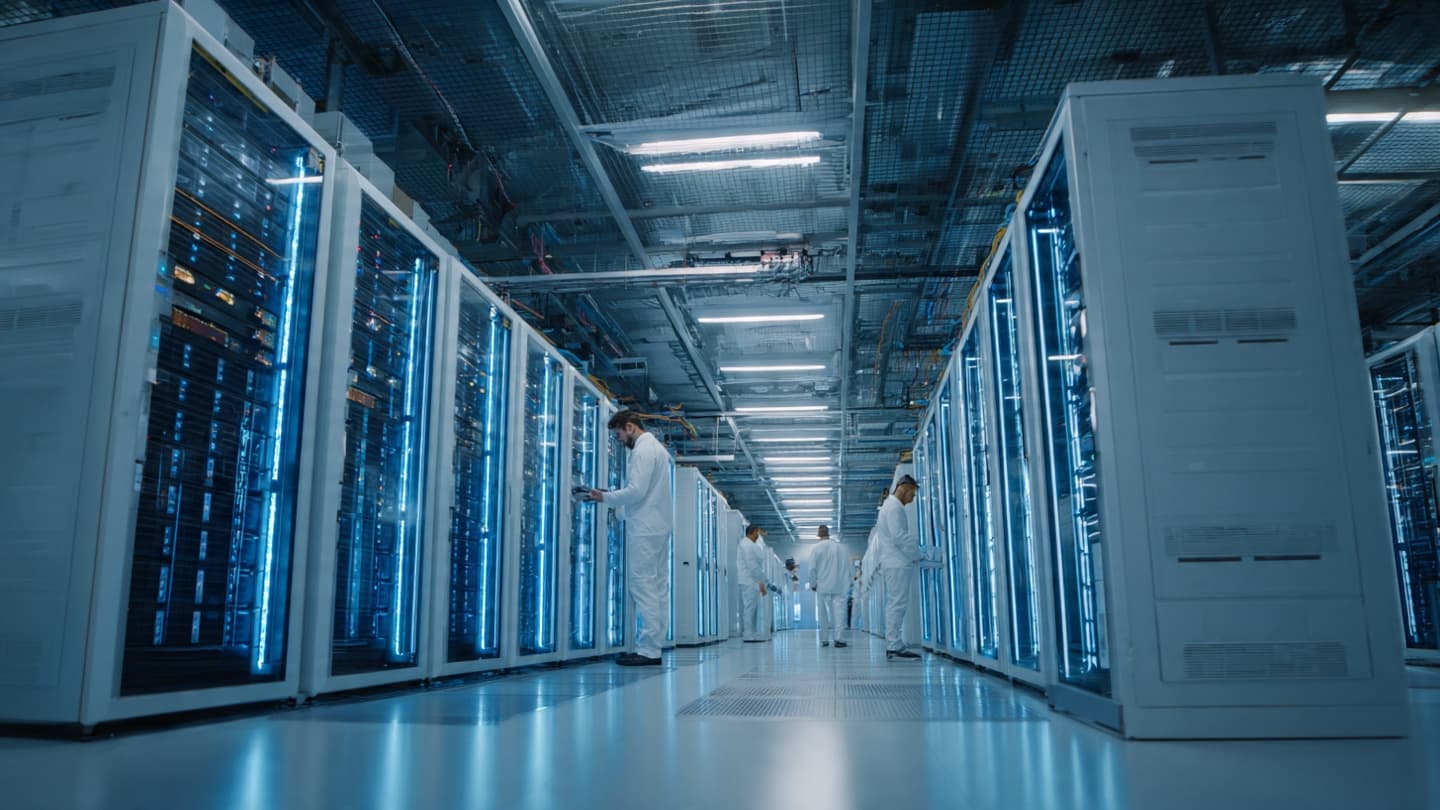
Image Disclaimer These AI-generated visuals are conceptual representations of Indonesia’s nickel and battery industries and are not photographs of actual facilities or mining operations.
Sources Reuters International Energy Agency U.S. Geological Survey Ministry of Energy and Mineral Resources of Indonesia Ministry of Industry of Indonesia World Bank Nikkei Asia
Published by Banx Network. This article is part of the Banx decentralized media programme, powered by the BXE token on the XRP Ledger.