

Key Highlights
- Central Australia is recovering from significant flooding as more rain is forecasted.
- Northern Territory Chief Minister Lia Finocchiaro has requested Australian Defence Force assistance.
- Communities are assessing damage and preparing for potential further rainfall.
Central Australia is currently grappling with the aftermath of severe flooding, with communities working diligently to recover as meteorologists predict more rain on the horizon. The Northern Territory, known for its vast and often arid landscapes, has seen a dramatic shift in weather patterns, prompting local authorities to take proactive measures in response to the ongoing crisis.
In light of the extensive damage caused by recent floods, Northern Territory Chief Minister Lia Finocchiaro has formally requested assistance from the Australian Defence Force (ADF). This request underscores the scale of the flooding and the logistical challenges faced by local governments in remote areas where infrastructure is often limited. The ADF's involvement is crucial for enhancing recovery efforts, particularly in transporting essential supplies and equipment to affected regions.
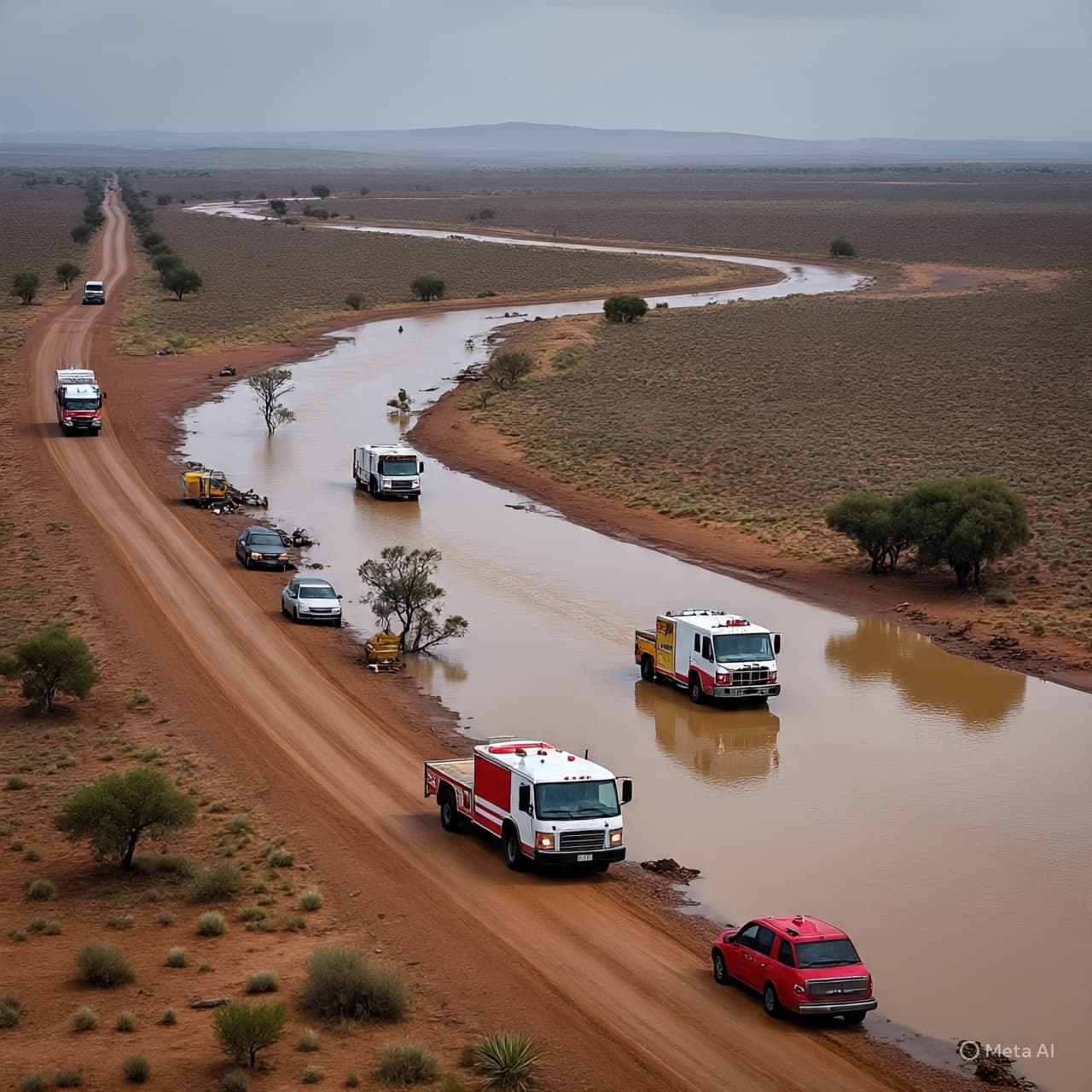
The flooding has wreaked havoc on roads, homes, and public infrastructure, isolating communities and disrupting vital transport routes. As floodwaters recede, local councils and emergency agencies are conducting thorough assessments to gauge the extent of the damage. In many cases, recovery efforts require specialized equipment and additional personnel to restore access and ensure that essential services can be delivered.
The role of the ADF in disaster response is not new to Australia. Over the years, military personnel have been deployed to assist with various natural disasters, including bushfires and floods. Their expertise in logistics and emergency management can significantly expedite recovery processes, particularly in remote areas where civilian resources may be stretched thin. The current situation in the Northern Territory exemplifies the need for coordinated efforts among local, state, and federal agencies to effectively address the challenges posed by natural disasters.
As communities brace for the possibility of more rain, authorities are taking precautionary measures to monitor river levels and reinforce emergency plans. Residents are being kept informed about changing weather conditions, and local governments are working to ensure that vulnerable populations are adequately supported. The unpredictability of weather patterns in the region means that preparedness is essential for minimizing further disruptions.
For many residents, the recovery process is gradual and often quiet, marked by small victories such as the reopening of key roads or the restoration of electricity. Each step forward is a testament to the resilience of communities facing the challenges of rebuilding after a natural disaster. The involvement of the ADF is expected to bolster these efforts, providing much-needed support as residents work to return to normalcy.
In conclusion, while the weather forecast remains uncertain, officials are optimistic about the progress of recovery operations. Continuous coordination among local councils, emergency agencies, and federal partners will be vital as they navigate the evolving situation in central Australia. Further updates are anticipated as conditions develop, and the community remains vigilant in the face of potential additional rainfall.
Published by Banx Network. This article is part of the Banx decentralized media programme, powered by the BXE token on the XRP Ledger.




