
Key Highlights
- Avalanche risks have led to highway closures in British Columbia.
- Authorities are conducting safety assessments and controlled snow releases.
- Travelers are urged to avoid mountain travel until conditions improve.
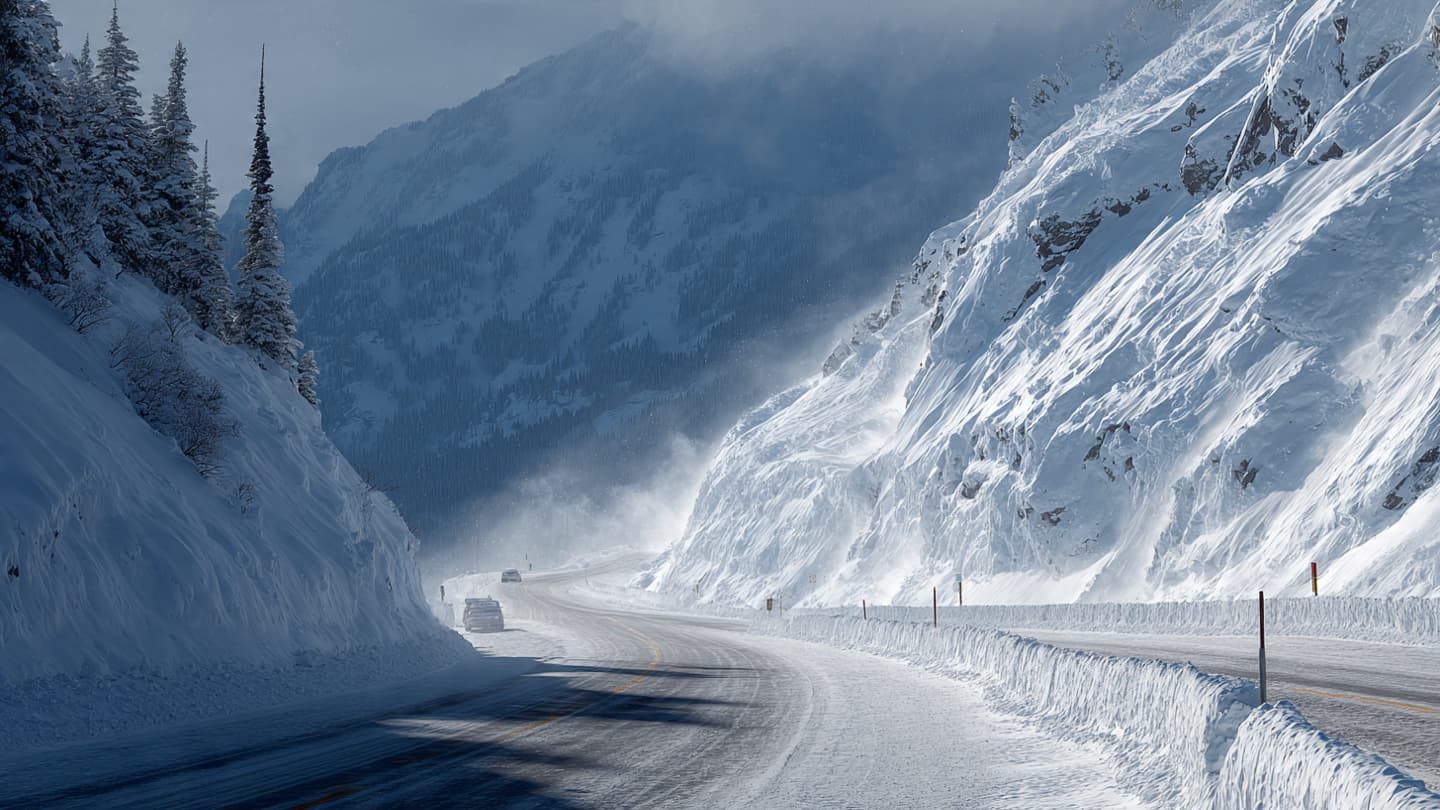
Avalanche risks have prompted the closure of several highway routes across the mountainous regions of British Columbia. Following heavy snowfall and unstable snowpack conditions, transportation authorities took precautionary measures to ensure the safety of motorists and maintenance crews. The closures affect key travel corridors that connect interior communities and support commercial freight operations.
Meteorologists have reported that recent weather patterns, including significant snowfall combined with warming daytime temperatures, have increased the likelihood of snow movement in the mountains. Avalanche specialists have warned that unstable layers within the snowpack could lead to dangerous conditions, making it imperative for authorities to act swiftly to mitigate risks.
In response to these conditions, transportation officials have closed multiple routes and deployed avalanche control teams to monitor vulnerable slopes. These teams are tasked with conducting safety assessments and utilizing controlled avalanche mitigation techniques, including explosives and aerial surveillance, to trigger smaller snow releases in high-risk areas before reopening roads.
Travelers in affected areas have experienced long delays and temporary closures as crews work diligently to ensure road safety. Authorities have advised against unnecessary travel in the mountains until conditions improve and thorough inspections are completed. Truck drivers have been directed to designated staging areas, while other travelers have sought refuge in roadside service stations, keeping a close eye on weather updates and reopening schedules.
The impact of these closures extends beyond individual travelers; they disrupt commercial freight operations and tourism traffic, highlighting the interconnectedness of transportation routes in British Columbia. Residents familiar with the region have expressed that these closures serve as a stark reminder of the delicate balance between infrastructure and the natural forces that shape life in the Canadian Rockies.
As evening approached, transportation authorities confirmed that some highway restrictions would remain in place overnight. Avalanche monitoring operations are set to continue throughout the mountain regions, with officials emphasizing the need for caution as mountain weather conditions can change rapidly, especially during the transitional period between winter and spring.
In summary, the situation in British Columbia underscores the importance of preparedness and vigilance in the face of nature's unpredictability. Authorities remain committed to ensuring the safety of all travelers as they navigate these challenging conditions.
Published by Banx Network. This article is part of the Banx decentralized media programme, powered by the BXE token on the XRP Ledger.



