A shopping street can reveal economic changes without saying a word. Storefronts remain illuminated, shelves remain arranged, and customers continue passing through familiar doors, yet the number of purchases can shift quietly from one month to the next. Germany’s retail sector experienced such a change in July.
German retail sales dropped 3.4% in July from the previous month, according to data from the country’s federal statistics office reported by Reuters. The decline was considerably larger than economists had expected.
The figure provides a reminder that Germany’s economic recovery remains uneven. Industrial activity has recently shown signs of improvement, but household spending has not necessarily followed the same path.
Retail sales are closely connected to consumer confidence and household finances. When families face higher living costs or uncertainty about future income, they may delay purchases, choose cheaper alternatives, or reduce spending on nonessential goods.
Germany’s consumers have also been navigating a broader environment shaped by inflation, energy costs, and borrowing conditions. Even when price growth slows, households may continue adjusting their spending after experiencing several years of higher costs.
The contrast between retail and manufacturing is particularly notable. German factories have recently reported stronger new orders and improved production, while the July retail figures point toward weaker domestic consumption.
That difference reflects the structure of the German economy. Manufacturing is heavily connected to exports, while retailers depend primarily on the purchasing decisions of domestic households and visitors.
Retailers therefore enter the autumn period with reason to watch demand carefully. The back-to-school season, changing weather, and the approach of year-end shopping can all influence sales, but the underlying strength of household finances remains an important factor.
The July decline also shows why a single economic indicator rarely tells the entire story. A weak retail month does not necessarily indicate a prolonged downturn, just as stronger industrial orders do not guarantee immediate consumer recovery.
For businesses, the immediate task is to respond to changing demand without overcommitting to inventory. Retailers must balance product availability against the possibility that consumers may remain cautious.
As September begins, Germany’s commercial streets enter a season of adjustment. July brought a sharper-than-expected decline in sales, while industrial activity has offered more encouraging signals. The next few months will show whether households regain momentum as the year moves toward its final quarter.
AI IMAGE DISCLAIMER
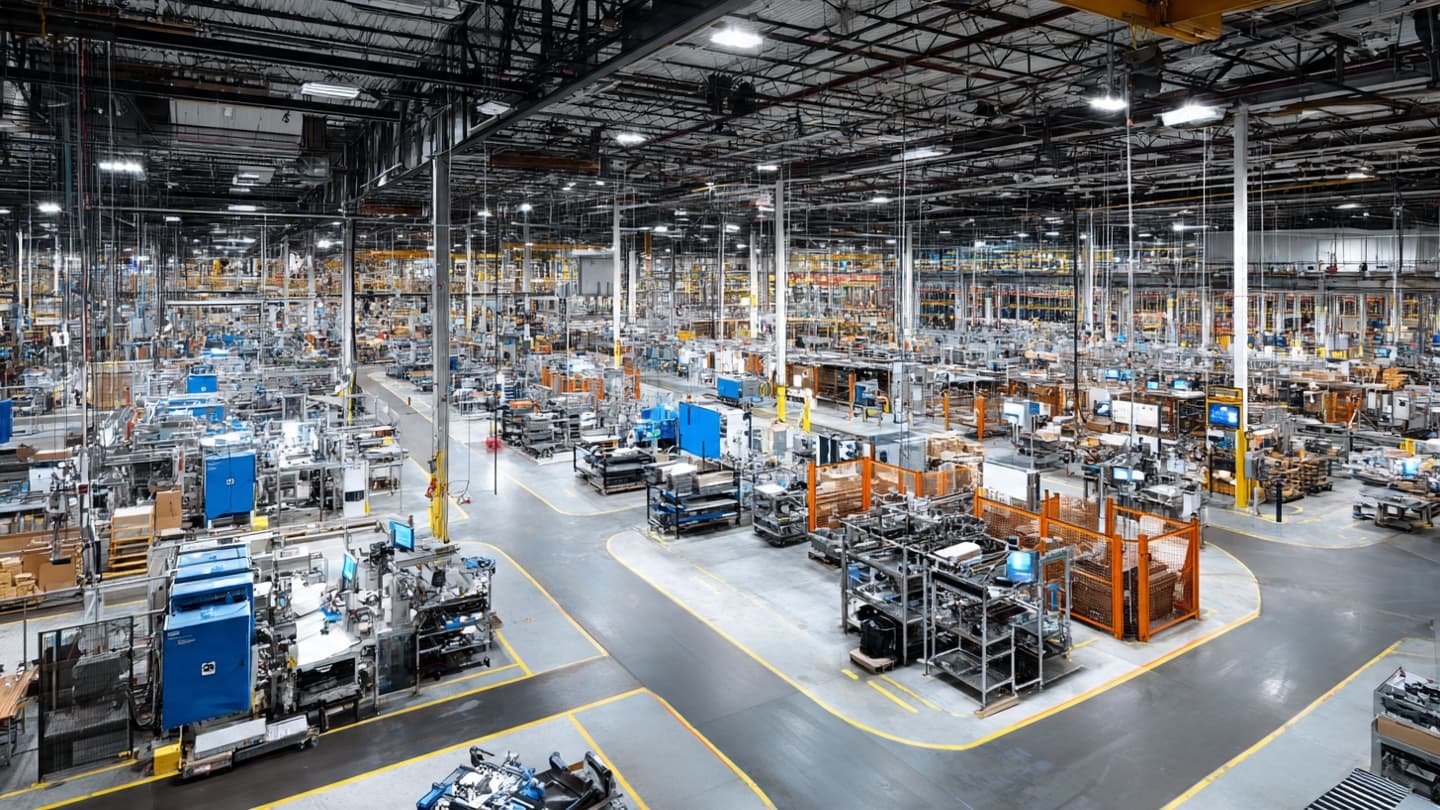
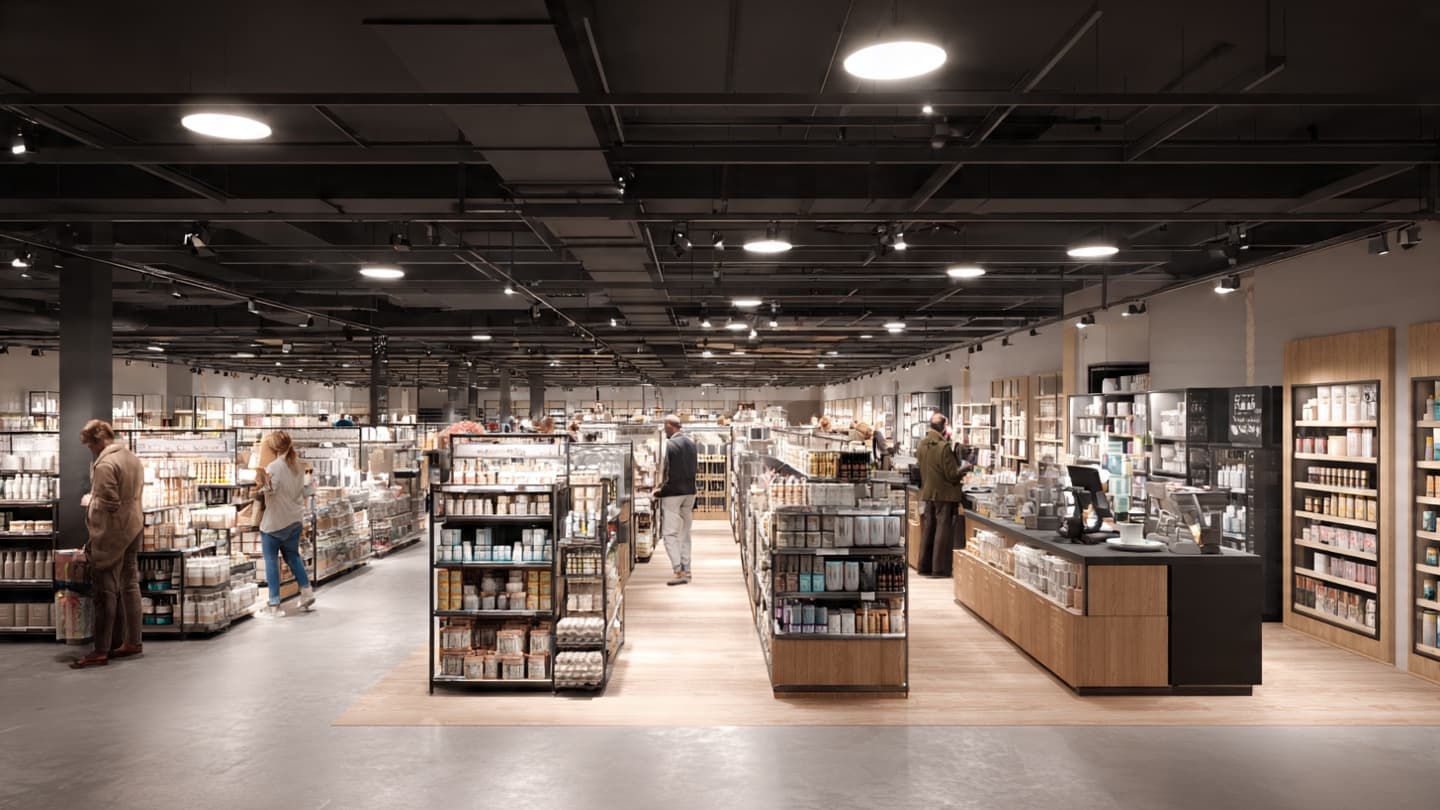
The accompanying visuals were generated with AI as conceptual representations of German retail activity and consumer spending, not real photographs.
SOURCES
Reuters Federal Statistical Office of Germany European Central Bank
Published by Banx Network. This article is part of the Banx decentralized media programme, powered by the BXE token on the XRP Ledger.