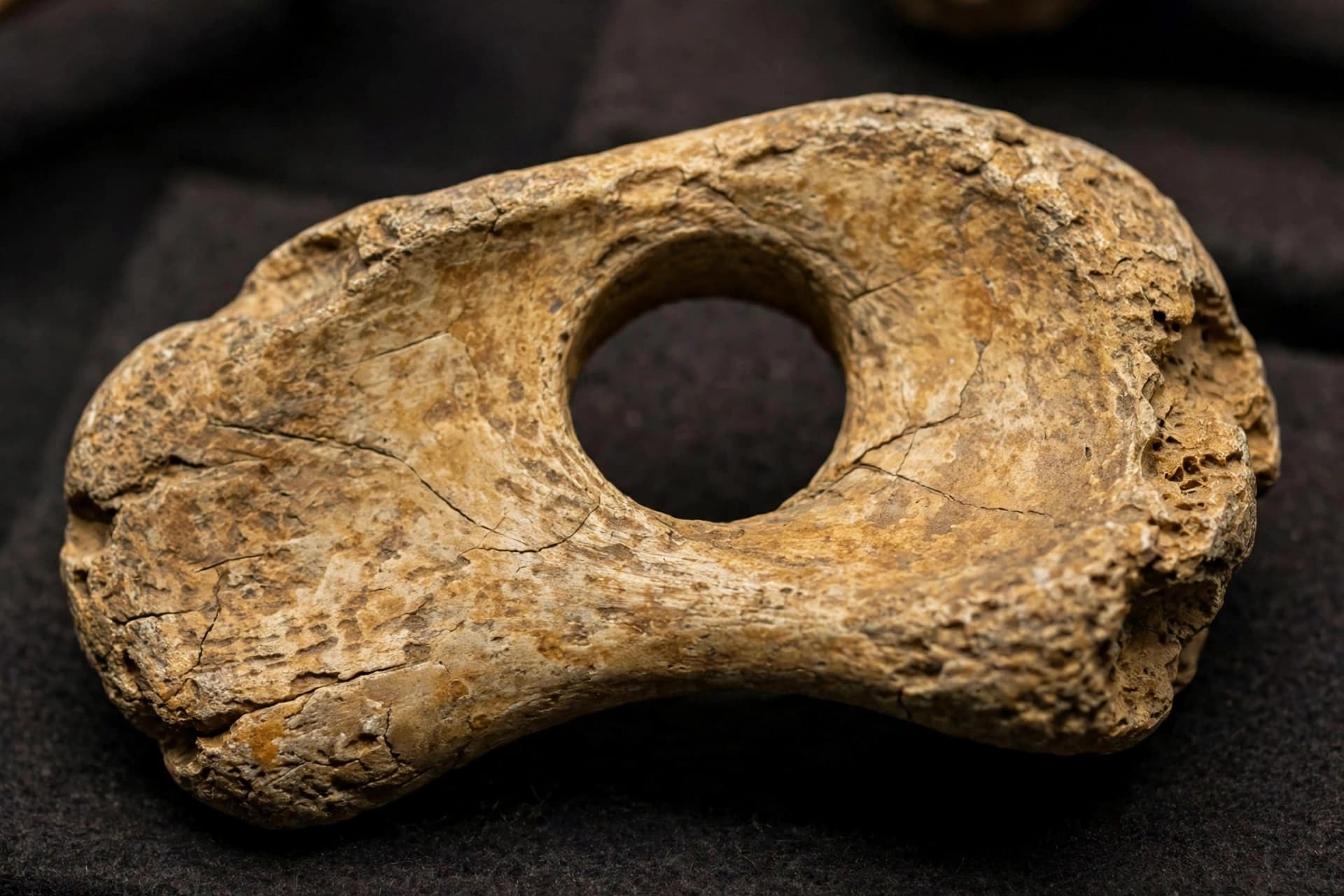
Long before modern coastlines took their present shape, the oceans of Earth moved through a different age. The continents rested in unfamiliar arrangements, the climate was warmer, and the seas were filled with creatures that no longer swim in today’s waters. In those distant epochs, the rhythm of marine life unfolded in forms both strange and familiar—predators and prey moving through currents that have long since changed.
From that ancient world, a new fossil discovery has brought to light the remains of a formidable hunter that once ruled coastal waters roughly 55 million years ago. The fish, reaching nearly four feet in length, lived during the early part of the Eocene Epoch, a period when marine ecosystems were undergoing rapid change following the mass extinction that ended the age of dinosaurs.
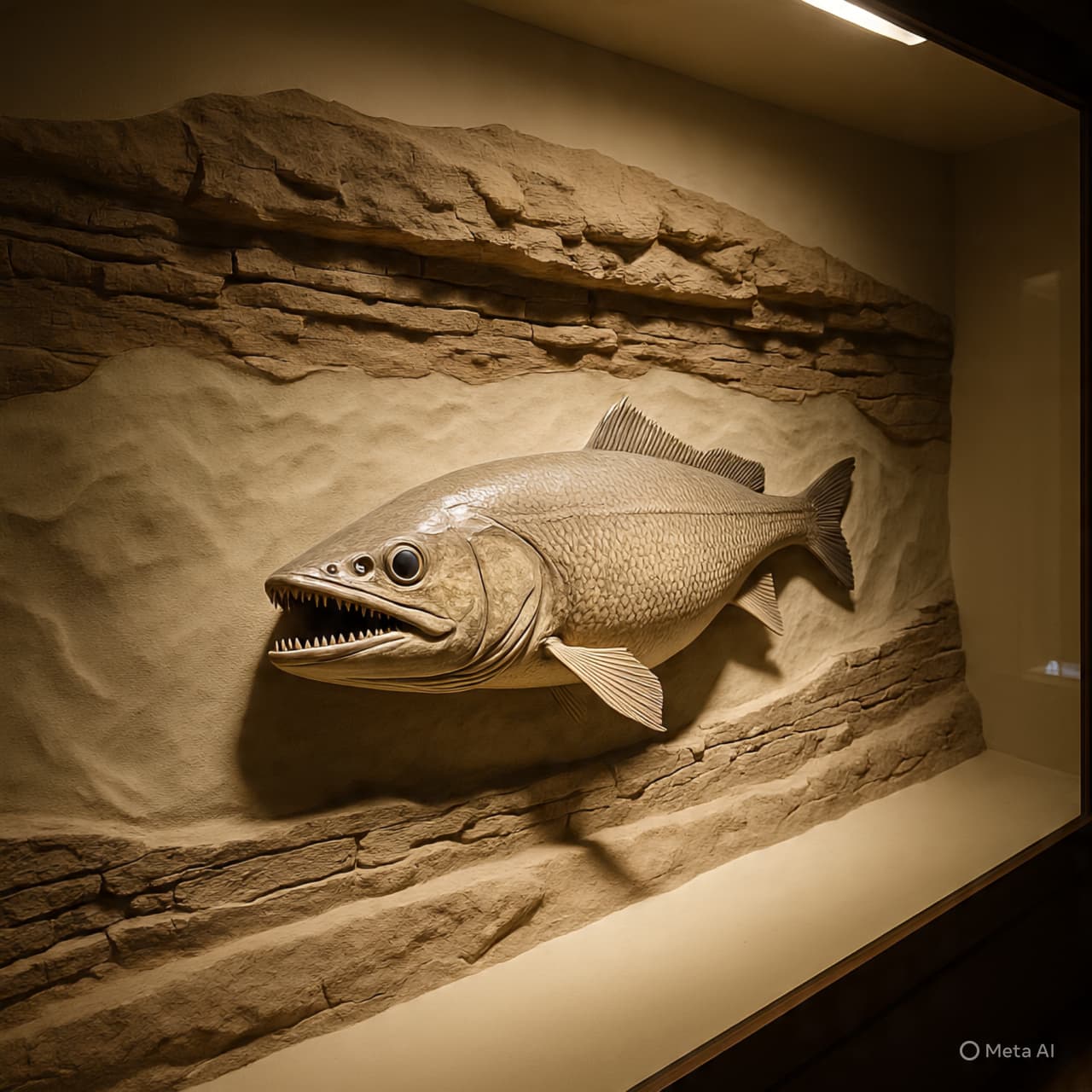
The fossil evidence suggests that this fish was a swift and capable predator. Its body structure, including powerful jaws and sharp teeth, indicates a creature adapted for active hunting. In life, it likely pursued smaller fish and marine organisms through warm, shallow seas.
Researchers studying the specimen believe it belonged to a group of early predatory fish related to modern barracudas, sleek hunters known today for their speed and striking jaws. While not identical to its modern relatives, the fossil reveals evolutionary traits that hint at how these marine predators began to take shape millions of years ago.
The discovery offers a glimpse into the ecological dynamics of early Eocene oceans. During this period, marine life was recovering and diversifying after the dramatic extinction event that occurred about 66 million years ago. New species emerged, ecosystems reorganized, and predators began to occupy roles that would eventually define modern marine food webs.
The fossilized remains include key anatomical features that allowed scientists to estimate the fish’s size and behavior. Its elongated body and large mouth suggest a pursuit predator capable of rapid bursts of speed. Such adaptations would have made it an effective hunter within the shallow coastal environments where it likely lived.
Warm global temperatures during the Eocene may also have shaped the marine ecosystems this fish inhabited. With tropical and subtropical conditions extending across large portions of the planet, ancient seas supported a wide variety of species—from primitive sharks to early forms of many modern fish groups.
Each fossil discovery from this era helps researchers piece together how marine life rebuilt itself after the end-Cretaceous extinction. Predatory fish like this newly described species played an important role in establishing the balance between hunters and prey that still structures ocean ecosystems today.
The remains were preserved in sedimentary rock layers that once formed part of an ancient seafloor. Over millions of years, shifting geology buried and protected the bones until they were eventually uncovered and studied by paleontologists.
Although the creature disappeared long ago, its fossil record allows scientists to reconstruct an outline of its life and environment. From the shape of its teeth to the curve of its skeleton, each detail offers clues about how the fish moved, hunted, and survived in the prehistoric ocean.
Researchers say the newly analyzed fossil represents a large predatory fish roughly four feet long that lived about 55 million years ago during the Eocene Epoch, providing new insight into the early evolution of marine predators in ancient seas.
AI Image Disclaimer
These images are AI-generated reconstructions intended to illustrate prehistoric marine life and are not photographs of actual fossils or living species.
Source Check
Credible coverage and/or primary reporting exist from: ScienceDaily Phys.org Smithsonian Magazine Scientis New Scientist Live Science
Published by Banx Network. This article is part of the Banx decentralized media programme, powered by the BXE token on the XRP Ledger.