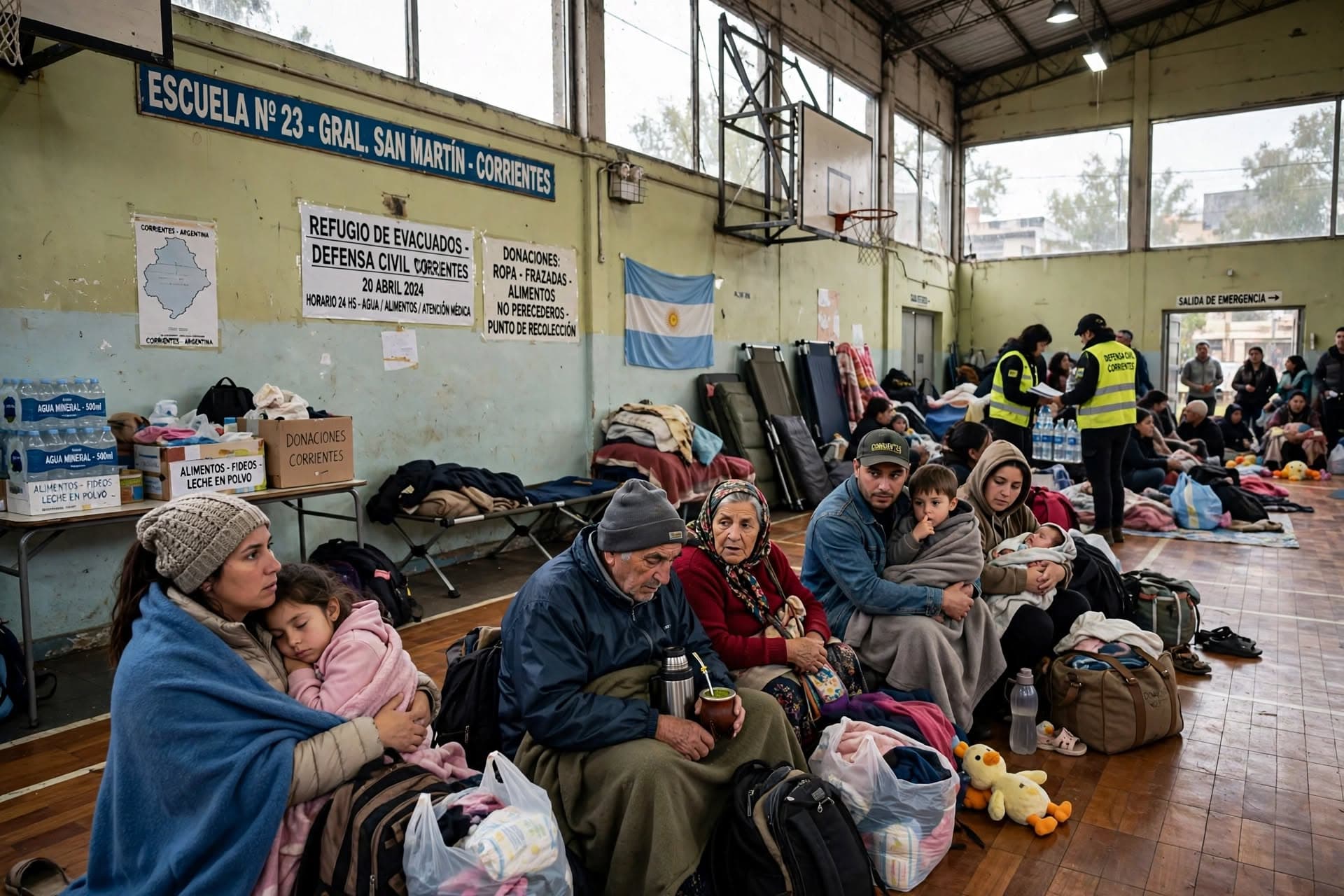
There are journeys that begin with hope and journeys that begin with necessity.
Across Europe’s railway stations, highways, and border crossings, millions of people have passed through since Russia’s full-scale invasion of Ukraine transformed ordinary lives into stories of displacement. Some carried suitcases packed in haste. Others crossed borders with little more than documents, family photographs, and uncertain plans. The movement became one of the defining images of a continent confronted by war returning to its eastern edge.
Years later, the flow of people remains part of a larger conversation about responsibility, security, and the burdens carried by nations facing prolonged conflict. The latest chapter emerged through remarks by a Swedish minister who argued that Ukrainian men of military age residing elsewhere in Europe should, in principle, be encouraged to return and contribute to their country’s defense efforts.
The comments entered an already complex debate unfolding across European capitals. Ukraine continues to confront the demands of a war that has stretched far beyond initial expectations. Military recruitment, troop rotations, and the challenge of sustaining manpower have become increasingly important as the conflict enters another difficult phase. Every nation engaged in a prolonged war eventually faces questions not only about equipment and resources but also about people.
For Ukraine, those questions carry particular weight. Millions of citizens have sought refuge abroad since 2022, finding temporary homes across the European Union and beyond. Among them are families separated by war, students pursuing interrupted educations, professionals rebuilding lives in unfamiliar cities, and individuals navigating the uncertainty of displacement.
The Swedish minister’s remarks touched upon a sensitive intersection of migration policy and national defense. While European governments have largely united in supporting Ukraine politically, economically, and militarily, opinions differ regarding how displaced populations should be treated as the war continues. Some policymakers emphasize humanitarian protection and individual choice. Others point to the extraordinary circumstances facing a nation defending its territory and sovereignty.
The discussion reflects broader realities that extend beyond Ukraine alone. Throughout history, wars have altered relationships between citizens and states. Governments facing existential threats often seek greater participation from their populations, while individuals abroad may confront difficult questions about identity, obligation, and personal safety. These dilemmas rarely produce simple answers.
Across Europe, Ukrainian communities have become woven into the social fabric of their host countries. Schools adapted to new students. Employers welcomed workers. Neighborhoods incorporated new languages and traditions into daily life. What began as emergency accommodation gradually evolved into longer-term arrangements for many families.
Yet the war itself has not remained static. Front lines continue to shift. Drone warfare has transformed military operations. Infrastructure, energy networks, and civilian areas remain vulnerable to attacks. As the conflict evolves, so too do discussions about how Ukraine can sustain its defense capabilities over time.
The minister’s comments also highlight the tension between national borders and shared European institutions. The European Union was built upon principles of mobility, cooperation, and legal protections. At the same time, member states increasingly find themselves balancing those commitments against the geopolitical realities created by a major war on the continent.
For some observers, the debate is ultimately less about policy mechanisms and more about the broader human consequences of prolonged conflict. Every decision regarding refugees, military service, or migration touches lives already shaped by disruption. Families separated by borders may face choices that are practical, emotional, and deeply personal all at once.
Meanwhile, Ukraine continues to seek support from allies while managing the realities of a conflict with no immediate end in sight. International assistance remains crucial, but manpower, resilience, and social cohesion remain equally significant elements of national endurance. The challenge lies not only in defending territory but also in sustaining the human foundations upon which that defense depends.
As political leaders debate policies and responsibilities, everyday life unfolds across Europe. Ukrainian children attend schools in Stockholm, Berlin, Warsaw, and Prague. Parents build routines in adopted communities while maintaining ties to homes left behind. News from the front arrives through phone screens, conversations, and messages exchanged across thousands of miles.
The remarks from Sweden may not immediately alter policy, but they have illuminated a question that lingers beneath many discussions about the war: how should societies balance humanitarian refuge with the demands faced by a nation fighting for its future?
For now, that question remains open. Across Europe, trains continue to move between cities, carrying passengers whose journeys reflect both the freedoms of peace and the realities of conflict. And beyond those routes, on Ukraine’s battle-scarred landscape, the war continues to shape decisions far beyond the front lines themselves.
AI Image Disclaimer Images accompanying this article are AI-generated visualizations intended to illustrate the subject matter and are not authentic photographs of the events described.
Sources Reuters The Guardian BBC News European Commission Swedish Government Offices
Published by Banx Network. This article is part of the Banx decentralized media programme, powered by the BXE token on the XRP Ledger.