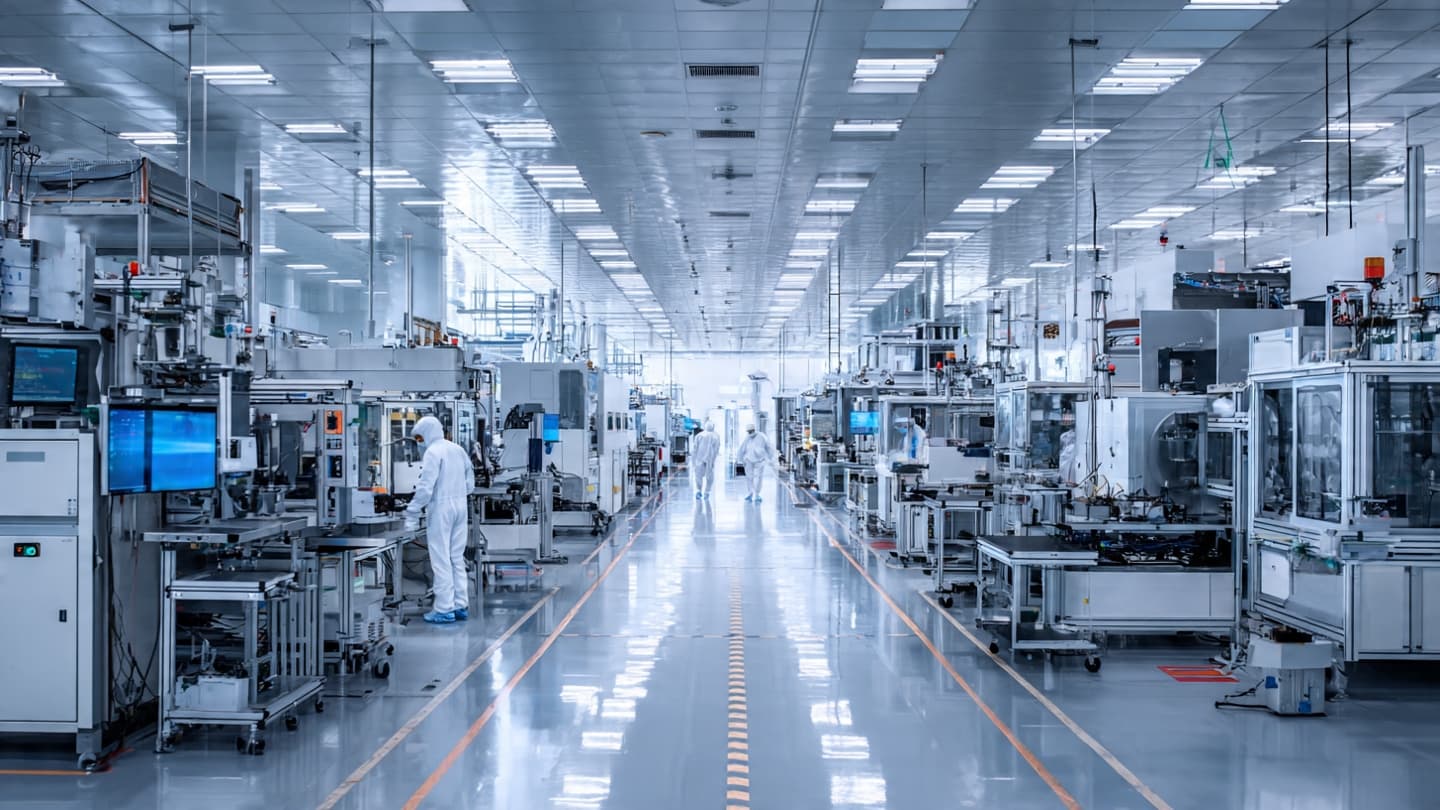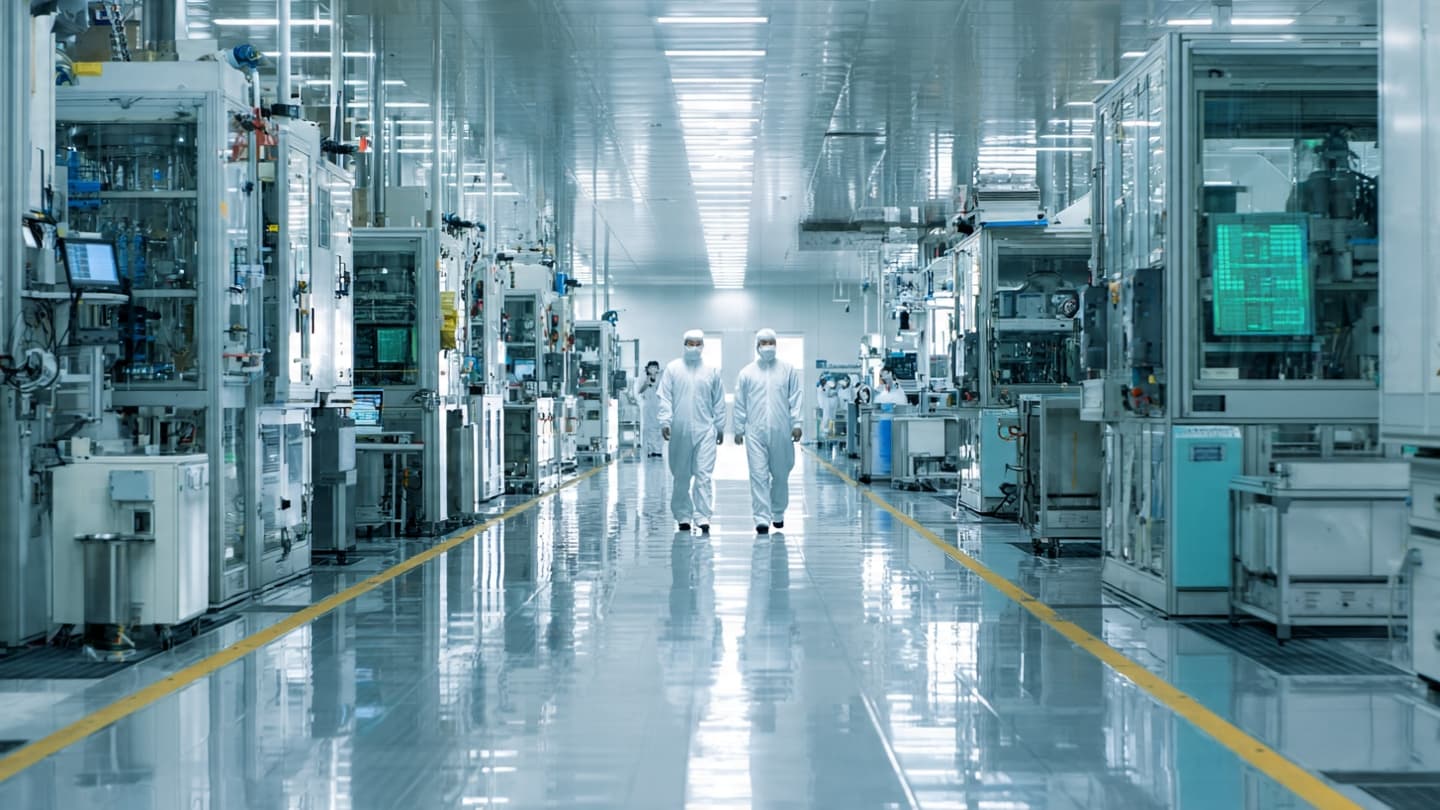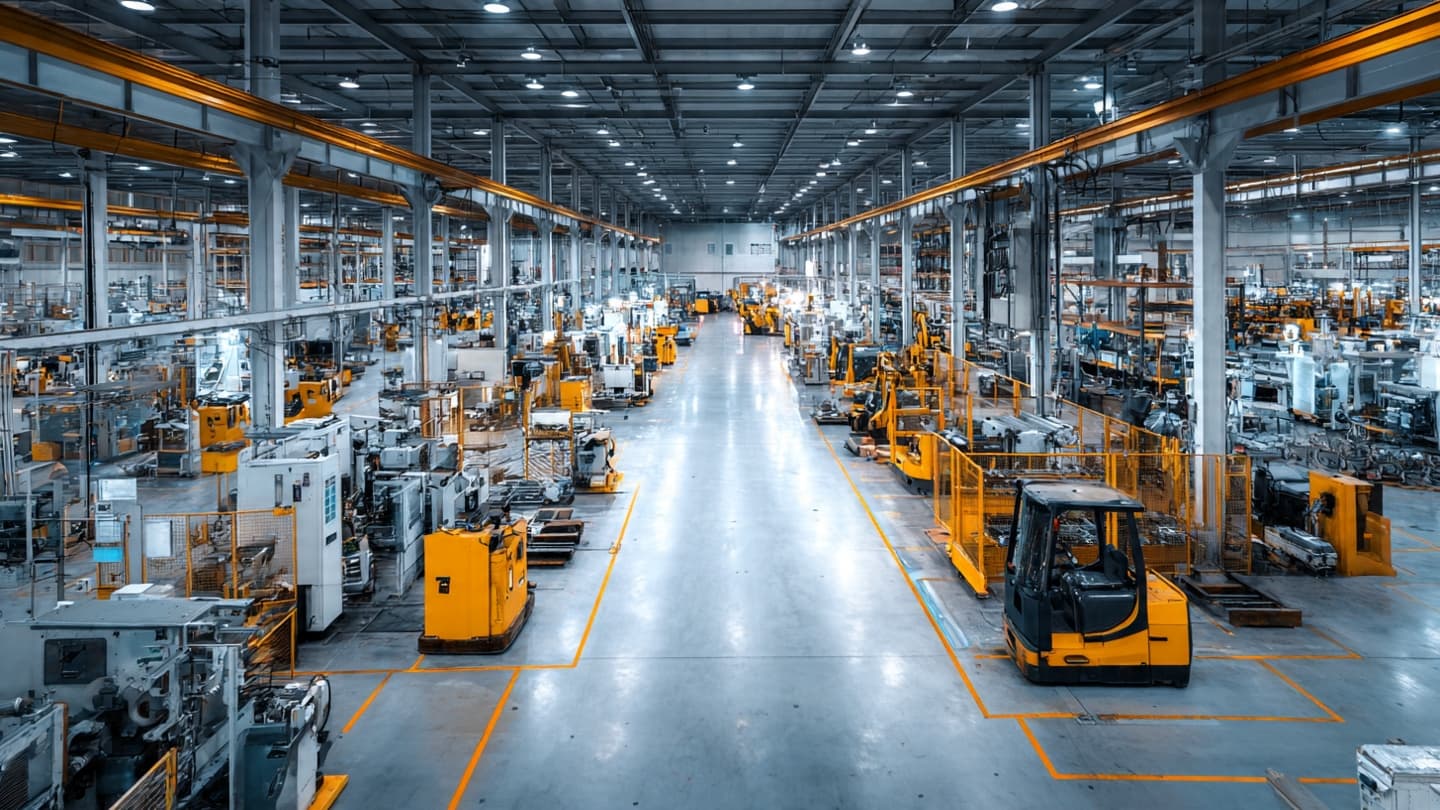
The first sounds of September arrive differently inside a factory. Machines begin their morning rhythm, deliveries move through loading bays, and production schedules are placed once again before workers. After a period of uneven activity, Britain's manufacturers have begun to see indications that the industrial landscape may be finding firmer ground.
Recent business surveys have pointed to improving conditions across parts of Britain's manufacturing sector, with companies reporting stronger production and new-order activity. The improvement comes as manufacturers continue adjusting to changes in domestic demand, export markets, and operating costs.
The movement remains gradual rather than dramatic. Britain's manufacturing economy continues to face challenges from relatively high costs, changing international trade conditions, and uncertainty surrounding demand across major overseas markets.
New orders remain particularly important. A factory can increase production only when there is sufficient demand for the goods being produced. When orders begin to improve, manufacturers can gradually increase working hours, purchase additional materials, and make greater use of existing machinery.
Export demand is another part of the picture. Britain maintains extensive industrial relationships with European markets and other trading partners, meaning changes in overseas demand can quickly influence domestic production schedules.
Automotive manufacturing, pharmaceuticals, machinery, food production, and advanced engineering remain important parts of Britain's industrial base. Their individual cycles can differ considerably, creating a manufacturing economy whose overall direction is shaped by many separate industries.
Input prices continue to matter as well. Energy, transportation, raw materials, and labor costs influence the final cost of production, while manufacturers must balance those expenses against prices customers are willing to pay.
Technology is gradually changing factory operations. Automation, robotics, artificial intelligence, and digital monitoring systems are being introduced into production environments to improve efficiency and reduce some repetitive tasks.
For British manufacturers, the beginning of autumn therefore brings a mixture of opportunity and caution. Stronger orders can support production, but companies remain attentive to international markets and domestic economic conditions.
The latest signs of improvement suggest that Britain's industrial sector is moving through a period of adjustment rather than standing still. As September develops, production figures, export demand, and new orders will provide further indications of whether the recent momentum can continue.
AI IMAGE DISCLAIMER
These illustrations were created using AI tools and are conceptual representations of British manufacturing environments, not actual photographs.
SOURCES
Reuters Office for National Statistics S&P Global
Published by Banx Network. This article is part of the Banx decentralized media programme, powered by the BXE token on the XRP Ledger.