

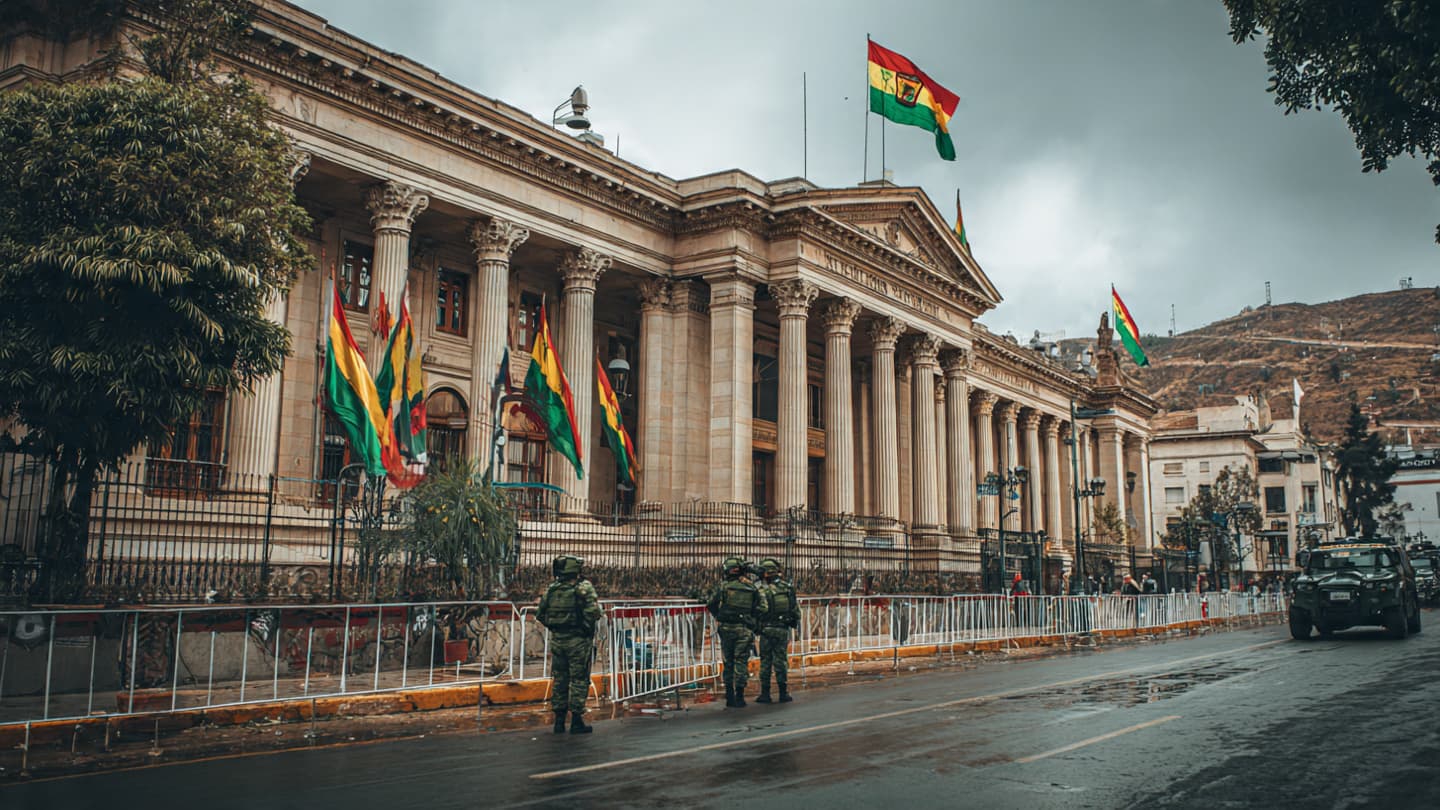
Key Highlights
- Political tensions are rising in Bolivia, raising concerns about governance.
- Economic pressures, including inflation, are complicating the political landscape.
- Regional organizations are urging dialogue to maintain democratic processes.
In Bolivia, the political climate is once again under scrutiny as a fresh wave of uncertainty emerges. Recent developments have intensified existing tensions among various political factions, prompting discussions about governance, stability, and the nation's future direction. This situation mirrors the unpredictable nature of mountain weather, where clarity can quickly turn into confusion.
Government officials have made efforts to reassure the public that democratic institutions are still functional and capable of resolving political disagreements through constitutional means. However, the reality on the ground tells a different story, as protests and political mobilization continue to unfold across several regions. Citizens are increasingly vocal about their concerns, reflecting a growing discontent with the current political situation.
Bolivia has a history of political turbulence, often marked by disputes over elections, leadership transitions, and competing political movements. These episodes have tested the resilience of the country's institutions, raising questions about their ability to manage crises effectively. Analysts warn that internal divisions within major political parties may further complicate efforts to reach consensus, making it challenging for leaders to navigate the current landscape.
The economic context adds another layer of complexity to the situation. Inflationary pressures, concerns over public spending, and calls for economic reform are creating a sensitive political environment. As citizens grapple with rising costs and economic instability, the pressure on political leaders to deliver effective governance intensifies.
In response to the escalating tensions, regional organizations and international observers have called for dialogue among political actors. They emphasize the importance of peaceful engagement and respect for democratic institutions as essential components for resolving the current crisis. Many Bolivians remain hopeful that negotiations and institutional mechanisms can help reduce tensions and prevent further polarization.
As the situation continues to evolve, the future of Bolivia's political landscape will largely depend on the willingness of its leaders and institutions to pursue compromise. Maintaining public confidence in democratic processes will be crucial as the nation navigates these turbulent times. The interplay between political dialogue and economic management will be key to achieving stability and fostering a sense of unity among the populace.
Published by Banx Network. This article is part of the Banx decentralized media programme, powered by the BXE token on the XRP Ledger.




