
Sometimes, history speaks not through monuments or manuscripts, but through traces invisible to the naked eye. Preserved within ice for more than five millennia, the remains of Ötzi the Iceman continue to reveal unexpected chapters about life in prehistoric Europe.
Scientists studying Ötzi, the naturally preserved mummy discovered in the Alps in 1991, have identified a remarkably complex microbial ecosystem associated with the ancient remains. The findings offer new perspectives on both ancient biology and modern microbiology.
Ötzi, estimated to have lived approximately 5,300 years ago, was discovered in the Ötztal Alps near the border between Italy and Austria. Since then, the mummy has become one of the most intensively studied archaeological discoveries in modern history.
Using advanced genetic sequencing technologies, researchers analyzed microbial communities present on and within the mummy. The study identified diverse microorganisms, including species previously unknown or poorly understood.
Scientists say these microbial signatures can provide valuable information regarding ancient environments, preservation processes, and the biological conditions surrounding Ötzi's life and death.
The discovery may also help museums and conservation specialists improve long-term preservation techniques for archaeological remains. Understanding microbial activity is considered essential in protecting delicate historical artifacts.
Researchers emphasize that ancient microbiomes can reveal how microbial ecosystems have evolved over thousands of years. Comparing ancient and modern microorganisms may contribute to broader scientific studies involving evolution and disease.
Beyond scientific significance, Ötzi continues to capture public imagination because his remains offer an unusually intimate glimpse into everyday life during the Copper Age.
As analytical technologies continue to advance, experts expect that Ötzi and other ancient remains will continue yielding discoveries that bridge archaeology, genetics, and microbiology.
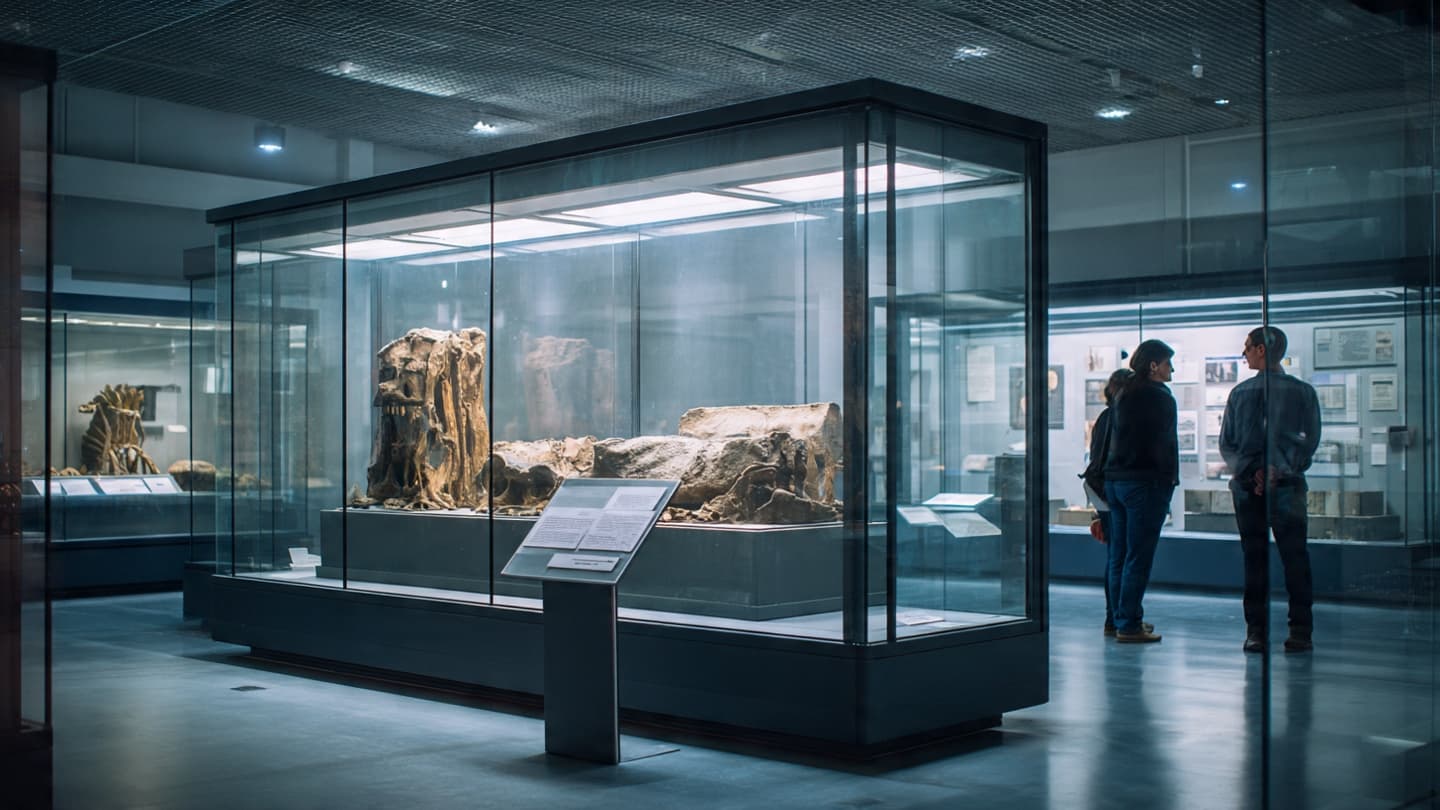
AI Image Disclaimer: Some illustrations used in this article were generated by AI solely for editorial visualization.
Sources Verification Check: Reuters, Nature, Scientific Reports, South Tyrol Museum of Archaeology
Published by Banx Network. This article is part of the Banx decentralized media programme, powered by the BXE token on the XRP Ledger.



