The American economy often reveals its strength not in factory walls but in the countless services that fill ordinary days: restaurants opening their doors, companies arranging deliveries, offices processing orders and businesses serving customers across thousands of communities. In July, that vast service economy continued to move forward. The pace was steady, but beneath it were signs of rising costs and a softer employment picture.
The Institute for Supply Management said its nonmanufacturing purchasing managers index increased slightly to 54.1 in July from 54.0 in June. Any reading above 50 indicates expansion, and the latest figure showed that the services sector continued to grow at a healthy pace. Because services account for more than two-thirds of U.S. economic activity, the reading provided an important measure of the economy's underlying momentum.
New orders were one of the clearest sources of strength. The index for new orders jumped to 57.2 from 55.1 in June, reflecting stronger domestic and export demand. Some of that activity was linked to businesses bringing purchases forward as they sought to protect themselves against possible shortages and higher prices connected to disruptions in international markets.
The increase in orders suggested that consumers and businesses were still willing to spend, even as the economic environment became more complicated. For service companies, demand can be seen in everything from hotel bookings and restaurant traffic to professional contracts and technology services. Each transaction may seem small by itself, but together they form the current that keeps the larger economy moving.
Yet the cost of maintaining that activity was becoming more visible. The prices-paid index climbed to 70.3 in July from 67.7 in June, indicating stronger price pressure on businesses. Supplier delivery times also remained slow, although the situation improved somewhat. Higher costs for inputs can eventually influence the prices paid by customers, creating a delicate balance between maintaining demand and protecting margins.
Employment offered a less encouraging signal. The services employment sub-index fell to 47.4 from 51.2 in June, returning below the 50-point threshold. The decline suggested that service companies were becoming more cautious about staffing even while orders remained strong. It was a reminder that economic growth and hiring do not always move together at the same pace.
The contrast became even clearer when the U.S. employment report arrived. The economy unexpectedly lost 23,000 jobs in July, while the unemployment rate edged down to 4.1% from 4.2%. The decline in unemployment was accompanied by a fall in labor-force participation to 61.4%, meaning the lower unemployment rate did not necessarily represent a stronger hiring environment.
Financial markets responded to the employment figures by reducing expectations for a near-term Federal Reserve rate increase. The weaker labor data gave investors another reason to consider whether economic conditions could support additional tightening, particularly while businesses were already dealing with elevated input prices. The relationship between inflation, demand and employment therefore remained central to the economic outlook.
For the service economy itself, however, July ended on a relatively solid note. New orders accelerated, business activity remained firmly above the expansion threshold and domestic demand continued to provide support. At the same time, higher input costs and weaker employment showed that the strength was not without complications. The latest data suggest that America's service sector continues to expand, but its next steps will depend on whether strong demand can persist without intensifying cost and labor-market pressures.
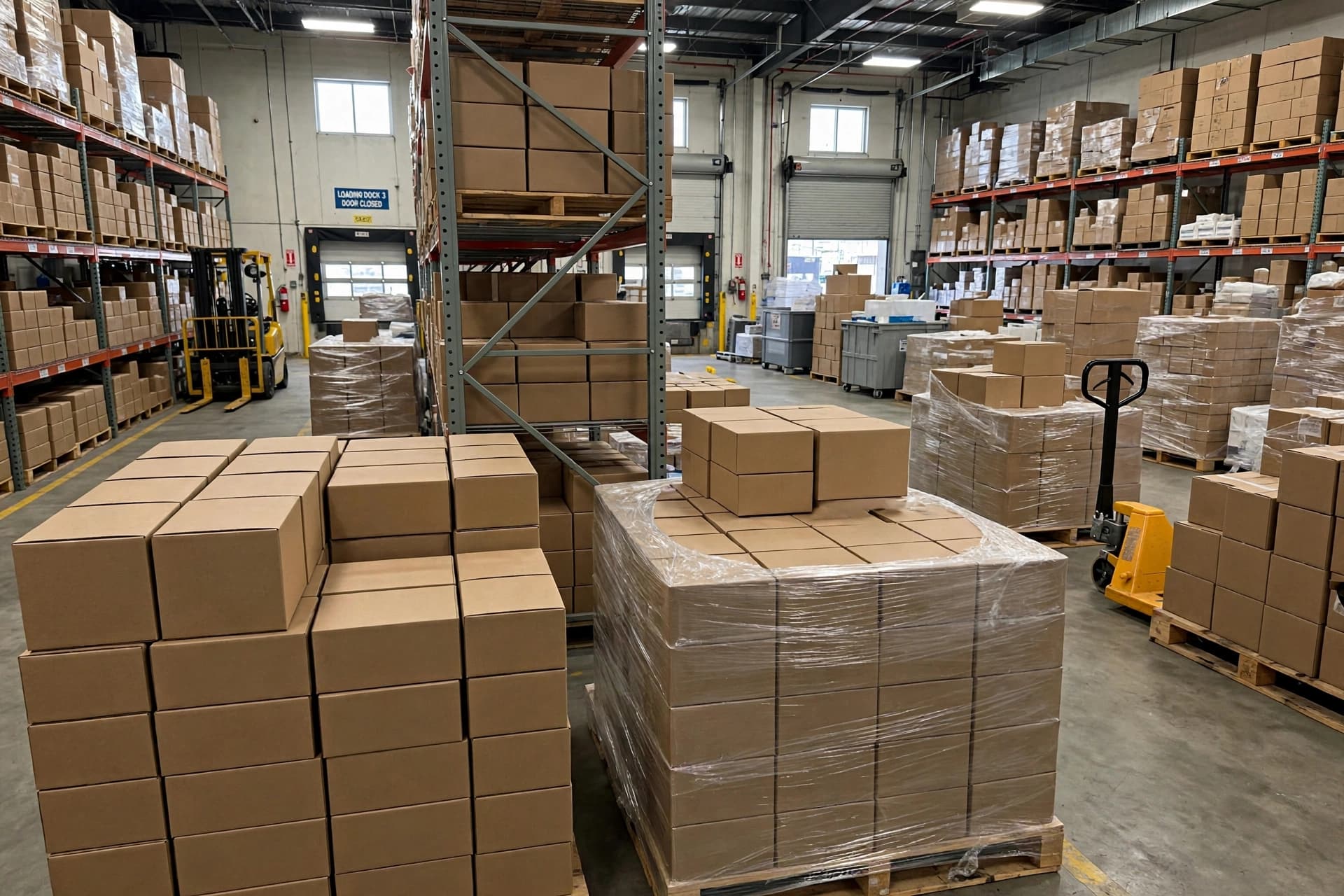
AI Image Disclaimer: These visuals were produced with AI and are conceptual illustrations rather than photographs of actual locations.
Sources: Reuters, Institute for Supply Management, U.S. Bureau of Labor Statistics.
Published by Banx Network. This article is part of the Banx decentralized media programme, powered by the BXE token on the XRP Ledger.