There are landscapes on Earth that feel untouched by time — deserts where wind writes and rewrites the same story for centuries. Now imagine such a silence stretched across another world, beneath a pale salmon sky, where dust drifts like memory and stone keeps secrets older than language. On Mars, a rover moves slowly through that hush, its wheels tracing patient lines across a planet that has long stirred human wonder.
NASA’s rover — part of the agency’s ongoing Mars exploration program — has recently been studying unusual geological formations that scientists describe as strange, intricate, even haunting in appearance. These rock structures, shaped by ancient environmental forces, appear sculpted into jagged spires, layered ridges, and mineral-veined outcrops that hint at a dynamic past.
The rover, operating within a carefully selected region believed to have once held water, is equipped with advanced imaging systems and chemical analysis tools. Its mission is not merely to capture dramatic images, but to decode the story written into stone. Each formation is photographed, scanned with lasers, and analyzed for its mineral composition.
Researchers suggest that the unusual shapes likely formed through a combination of volcanic activity, sediment deposition, erosion, and perhaps the slow action of water billions of years ago. Some of the formations resemble delicate towers or fractured slabs, carved by wind over immense stretches of time. Others show patterns consistent with mineral deposits left behind as water evaporated — a process familiar in certain arid environments on Earth.
The intrigue lies not in mystery alone, but in implication. Geological structures can preserve chemical signatures of past conditions. If water once pooled or flowed through this region, it may have created an environment that was at least temporarily suitable for microbial life. The rover’s instruments are designed to detect organic molecules and biosignatures — subtle clues that might suggest life once flickered on the Red Planet.
Scientists caution that unusual shapes do not equal evidence of life. Mars is a master sculptor of rock through natural processes. Wind erosion, freeze-thaw cycles, and dust storms can craft formations that appear almost architectural. What seems haunting to human eyes may simply be geology unfolding across epochs.
Still, each new image arriving from millions of miles away invites reflection. The rover’s findings contribute to a broader mission: understanding Mars’ climatic evolution. Billions of years ago, Mars may have had rivers, lakes, and perhaps even oceans. Over time, its atmosphere thinned, temperatures dropped, and water retreated or froze.
The exploration is methodical and deliberate. Samples identified as scientifically valuable may eventually be collected for future return to Earth, where laboratories can conduct deeper analysis. For now, the rover continues its careful survey, guided by teams of scientists who interpret every shadow and contour.
NASA officials report that the mission remains in good health, with instruments functioning as expected. Data continues to stream back, offering fresh insight into the planet’s geological diversity.
The structures themselves may appear eerie in photographs — silent stone rising from rust-colored soil — but they are less a sign of the supernatural than a testament to time. Mars, like Earth, has known transformation. And through the rover’s steady gaze, humanity inches closer to understanding how that transformation unfolded.
The mission proceeds as planned, with further analysis of the formations underway. Scientists emphasize that while the images capture public imagination, the focus remains grounded in careful study and evidence-based interpretation.
AI Image Disclaimer
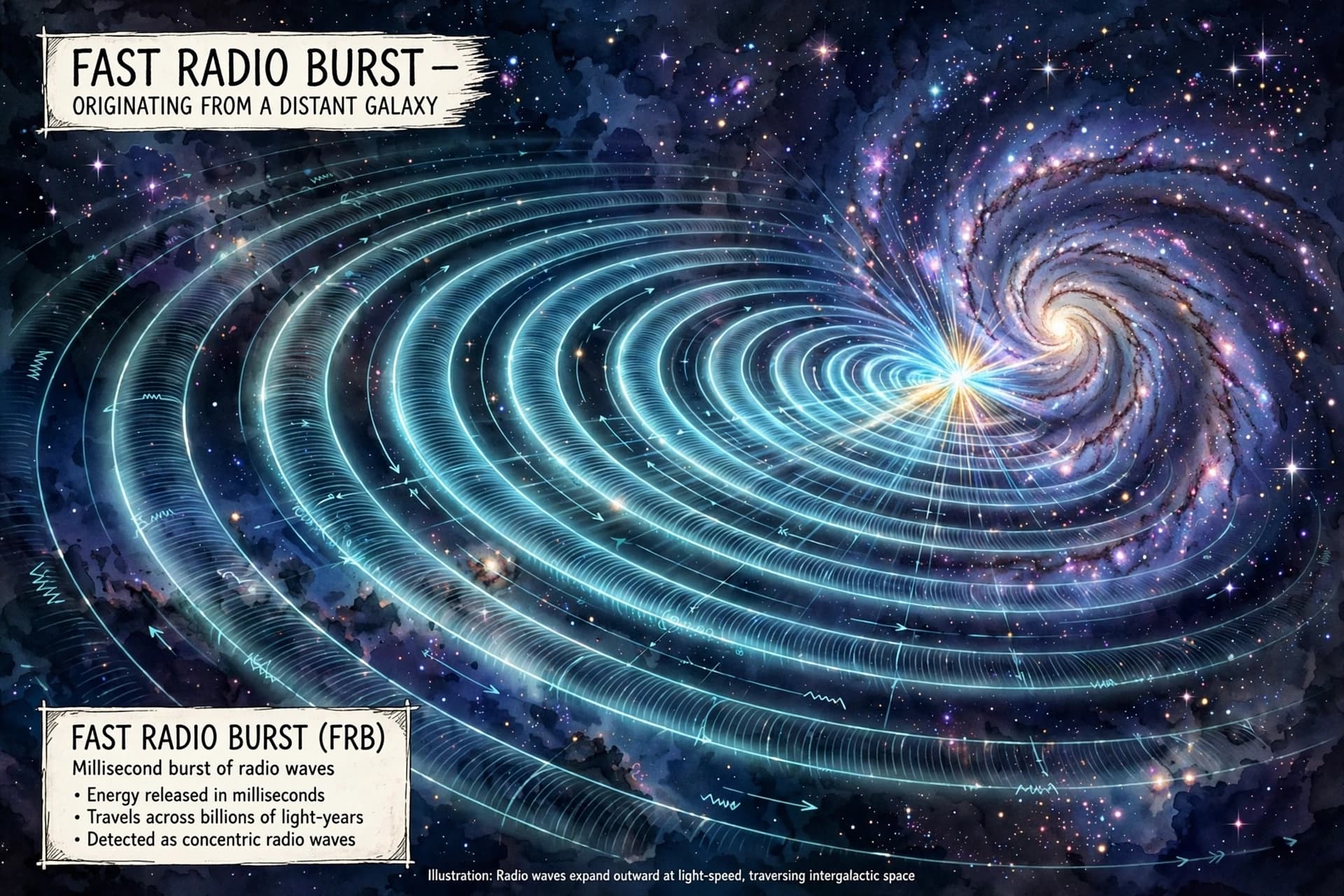
Images in this article are AI-generated illustrations, meant for concept only.
Source Check: Credible coverage found in:
1. NASA 2. The New York Times 3. BBC News 4. CNN 5. National Geographic
Published by Banx Network. This article is part of the Banx decentralized media programme, powered by the BXE token on the XRP Ledger.