Article In the landscape of modern science, where invisible forces shape possibility and constraint alike, few phenomena captivate the imagination like magnetism — that subtle yet unstoppable pull that binds worlds, both large and small. Recently in China, researchers have coaxed this force to unprecedented extremes, crafting an all‑superconducting magnet whose central magnetic field is more than 700,000 times stronger than Earth’s own magnetic field. It is a leap into the very architecture of physics, a testament to human curiosity and ingenuity.
The achievement, announced by the Chinese Academy of Sciences (CAS), centers on a magnet with a central field strength of 35.6 teslas, housed in an experimental facility in Beijing’s Huairou Science City. Such intensity — vastly exceeding that of everyday life’s familiar magnets — places this device at the forefront of high‑field science. By comparison, hospital MRI machines typically operate at strengths dozens of times weaker, while Earth’s natural geomagnetic field is measured in fractions of a tesla.
What sets this development apart is its design: it is an all‑superconducting user magnet, meaning every component generating the field relies on superconductivity — the state in which electrical resistance vanishes at ultra‑low temperatures. This allows it to churn out immense magnetic force with near‑negligible energy loss, enabling stable operation for extended periods — essential for delicate and demanding experiments.
Superconducting magnets have long been central to scientific inquiry, from particle accelerators to fusion research. But reaching such a high, stable field entirely through superconducting materials — without resorting to traditional resistive electromagnets — represents a significant advance in materials science and engineering. It also signals the maturation of techniques for integrating high‑temperature and low‑temperature superconductors into a unified, reliable system.
Beyond breaking records, the implications of this magnetic marvel are broad and deep. Strong, stable magnetic fields are essential tools in fields ranging from condensed matter physics — where they help reveal the quantum behavior of materials — to life sciences, where they can refine imaging and measurement techniques. In high‑energy physics and fusion energy research, such magnets can help confine plasma or probe interactions at fundamental levels.
The magnet has already been made available as a user facility, meaning scientists from China and around the world can apply to conduct experiments under these extreme conditions. Its presence underscores how advances in basic scientific instrumentation can ripple outward, enabling discoveries that may shape equipment design, energy systems, and even medical technologies.
Still, even as the figure “700,000 times Earth’s magnetic field” evokes awe, it’s worth remembering that such measurements apply only within the magnet’s immediate, controlled environment. They do not imply that Earth’s global magnetic shield or its effects at planetary scale are comparable — rather, the figure highlights the immense intensity achievable within carefully engineered scientific instruments.
In an age where innovation unfolds both in theory and in laboratories’ quiet hum, achievements like this one remind us that exploring nature’s forces continues to be both a technical challenge and a philosophical journey. Each breakthrough is a gateway — not only to new knowledge, but also to fresh questions about the boundaries of what we can understand, harness, and imagine.
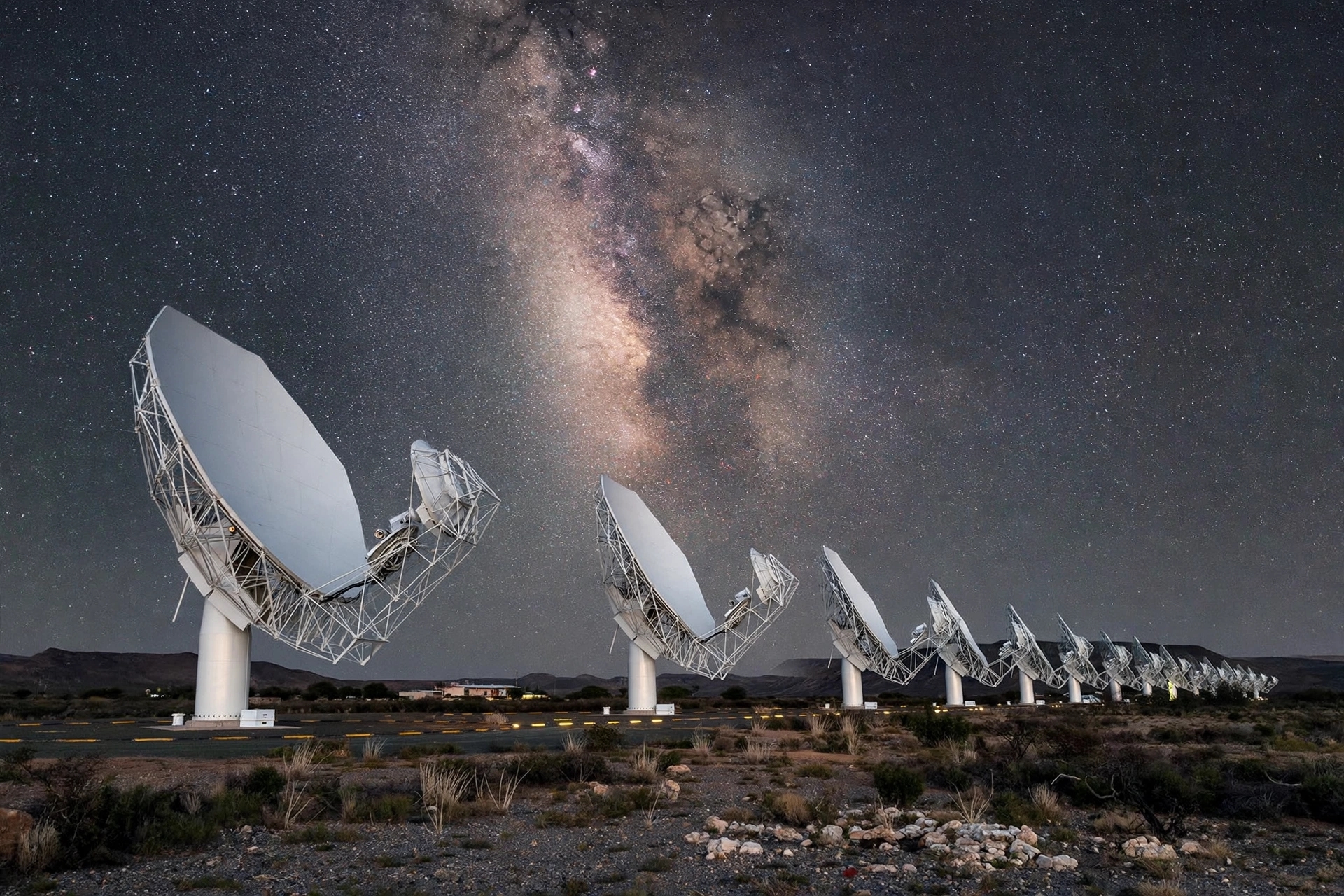
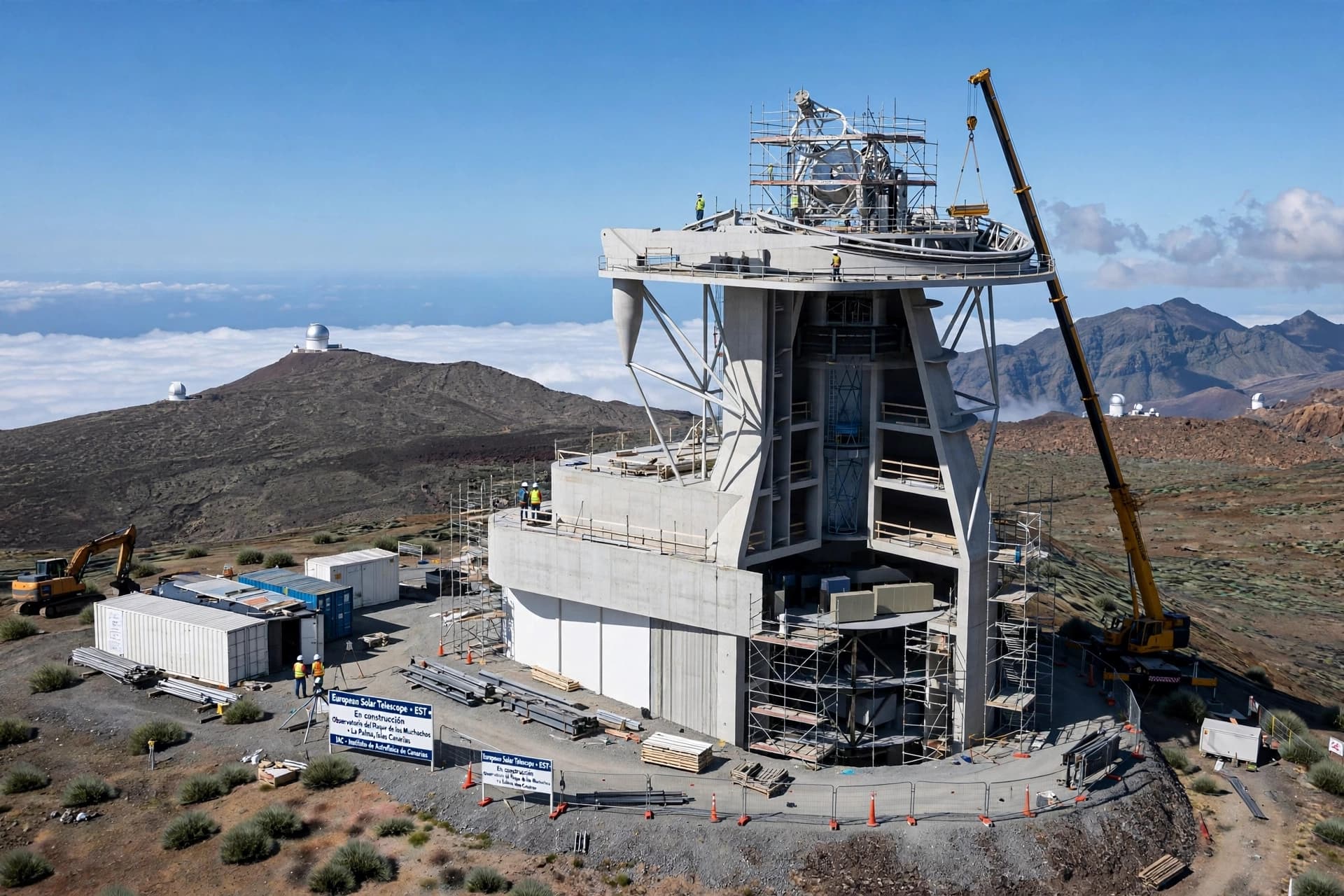
AI Image Disclaimer “Visuals are created with AI tools and are not real photographs.”
Sources Xinhua / China Daily Global Edition Chinese Academy of Sciences research announcement Global Times CGTN Interesting Engineering
Published by Banx Network. This article is part of the Banx decentralized media programme, powered by the BXE token on the XRP Ledger.