
Key Highlights
- Belgian PM Geert De Wever advocates for a diplomatic agreement with Russia to resolve the Ukraine conflict.
- His remarks come amid intensified military actions and humanitarian crises in Ukraine.
- De Wever emphasizes the need for dialogue and involving key stakeholders in negotiations.
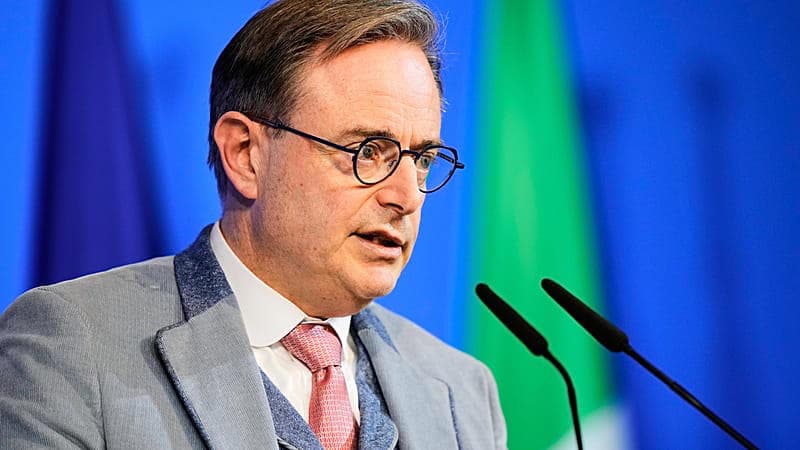
Belgian Prime Minister Geert De Wever has made headlines with his recent call for Europe to pursue a diplomatic agreement with Russia to resolve the ongoing conflict in Ukraine. During a press conference, De Wever articulated that the continuation of hostilities not only exacerbates the devastation in Ukraine but also threatens broader stability across Europe. His comments come at a critical juncture, as military actions in Ukraine have intensified, leading to significant humanitarian crises and economic disruptions throughout the continent.
De Wever's advocacy for dialogue over escalation reflects a growing sentiment among certain European leaders who believe that the protracted conflict necessitates a strategic shift towards diplomacy. He argued that a comprehensive deal could pave the way for peace and reconstruction in Ukraine, emphasizing that the current trajectory of military engagement is unsustainable. The Prime Minister's remarks resonate with those who are increasingly concerned about the long-term implications of the conflict on European security.
The response to De Wever's position has been mixed, with some officials within the European Union expressing apprehension about the potential risks of appeasing Russia amid its aggressive actions. Critics argue that negotiating with Russia could undermine international law and territorial integrity. However, De Wever counters that a negotiated settlement, even if it involves concessions, may be the only viable path to achieving sustainable peace and stability in the region.
In his statements, De Wever highlighted the importance of involving key stakeholders, including Ukraine, in any discussions with Russia. He stressed that their interests must be integral to any agreement reached, ensuring that the voices of those most affected by the conflict are heard. This approach aligns with a broader call for inclusive dialogue that considers the perspectives of all parties involved.
As the conversation around negotiations gains traction, the international community remains vigilant, weighing the complexities of potential talks with Russia against the imperative to uphold international law. The path forward remains uncertain, but De Wever's comments have rekindled discussions about the necessity of dialogue in resolving one of Europe's most pressing crises. The Prime Minister's call for diplomacy may serve as a catalyst for renewed efforts to find a peaceful resolution to the conflict, highlighting the delicate balance between dialogue and the need for accountability in international relations.
Published by Banx Network. This article is part of the Banx decentralized media programme, powered by the BXE token on the XRP Ledger.



