
Key Highlights
- Date of Allegations:January 18, 2026, reports surfaced about Belarusian nuns.
- Investigations:EU member states are investigating the claims of espionage.
- Community Response:Belarusian religious representatives deny wrongdoing.
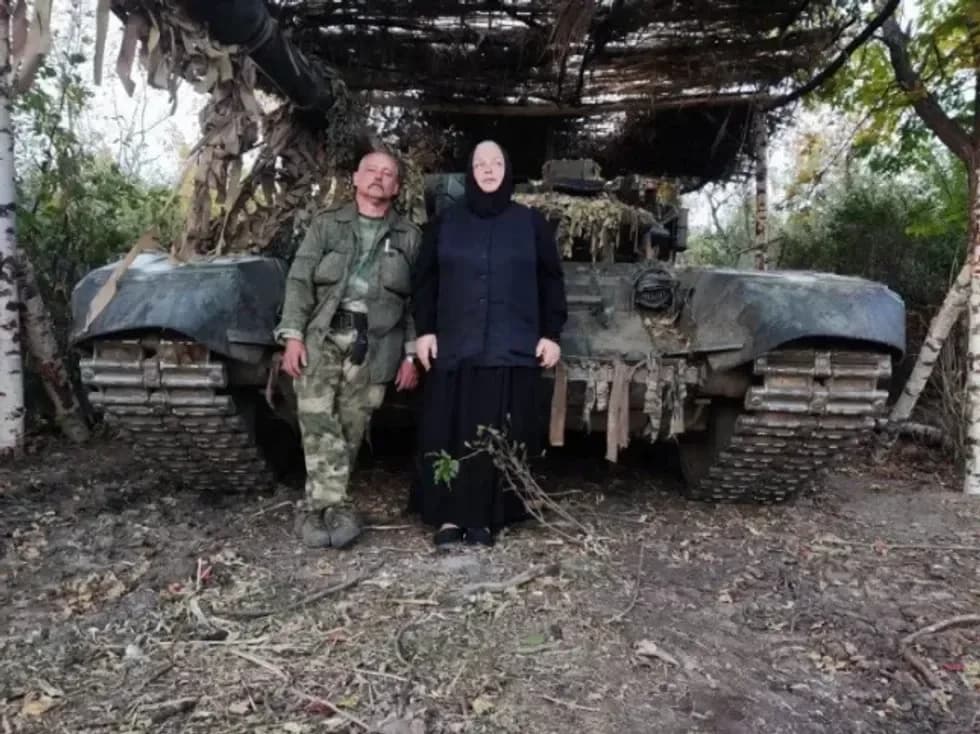
On January 18, 2026, media reports emerged alleging that several Belarusian nuns are involved in espionage activities, serving as informants for Russian intelligence within the European Union. These serious accusations have prompted investigations by various EU member states, leading to heightened scrutiny of religious institutions and their potential roles in geopolitical tensions.
Authorities claim that the nuns utilized their positions within local communities to gather sensitive information and report back to Russian operatives. This alleged espionage has raised significant concerns about the integrity of religious organizations and their vulnerability to foreign influence, particularly amid the ongoing tensions between Russia and the West. The implications of such activities could undermine trust in community leaders and institutions that are typically seen as bastions of support and humanitarian aid.
The situation has ignited a robust debate regarding security measures and the monitoring of potential espionage activities within EU borders. Community leaders and officials are calling for increased vigilance in assessing the risks posed by foreign intelligence operations, especially in sensitive sectors such as religious institutions. The potential for foreign influence in these areas is particularly alarming, as it could lead to a breakdown of community trust and cooperation.
In response to the allegations, representatives from the Belarusian religious community have firmly denied any wrongdoing, emphasizing their commitment to humanitarian work and support for local populations. They argue that the accusations are unfounded and detrimental to their mission. However, the unfolding situation highlights the complexities of international relations and the varied methods of intelligence gathering that may be employed by state actors, raising questions about the intersection of faith and politics.
As investigations continue, the implications of these allegations could further strain relations between the EU and Belarus, as well as between the EU and Russia. Governments are under pressure to address issues of security and foreign influence within their borders, and the outcomes of these investigations may lead to significant policy changes regarding the monitoring of religious institutions and their activities. The situation remains fluid, and further developments are expected as authorities delve deeper into the claims.
Published by Banx Network. This article is part of the Banx decentralized media programme, powered by the BXE token on the XRP Ledger.



