

Key Highlights
- Recent airstrikes by Israel targeted Hezbollah-linked areas in Beirut.
- Evacuations and heavy smoke reported in southern suburbs.
- International mediators are working to maintain a fragile ceasefire.
In a stark reminder of the ongoing volatility in the region, Israeli airstrikes once again disrupted the fragile calm in Beirut's southern suburbs this week. The strikes, which targeted areas associated with Hezbollah, have reignited fears over the stability of a ceasefire that many observers deemed precarious. The situation underscores the complex dynamics at play in Lebanon, where historical tensions continue to shape the present.
According to reports from Lebanese security officials and various international media outlets, Israeli forces executed strikes on multiple locations in the southern outskirts of Beirut. These areas have long been linked to Hezbollah's military infrastructure, making them focal points in the ongoing conflict between Israel and the Iran-backed group. The Israeli military confirmed that the operation aimed to dismantle infrastructure connected to Hezbollah's military activities, further escalating tensions along the Israel-Lebanon border.
The airstrikes occurred amid a backdrop of increased hostilities that have intensified since the onset of the Gaza conflict. Hezbollah has been actively launching cross-border attacks in solidarity with Palestinian factions, prompting Israel to respond with air and artillery strikes. This cycle of retaliation has raised alarms among international observers, who fear that miscalculations could spiral into a broader regional conflict.
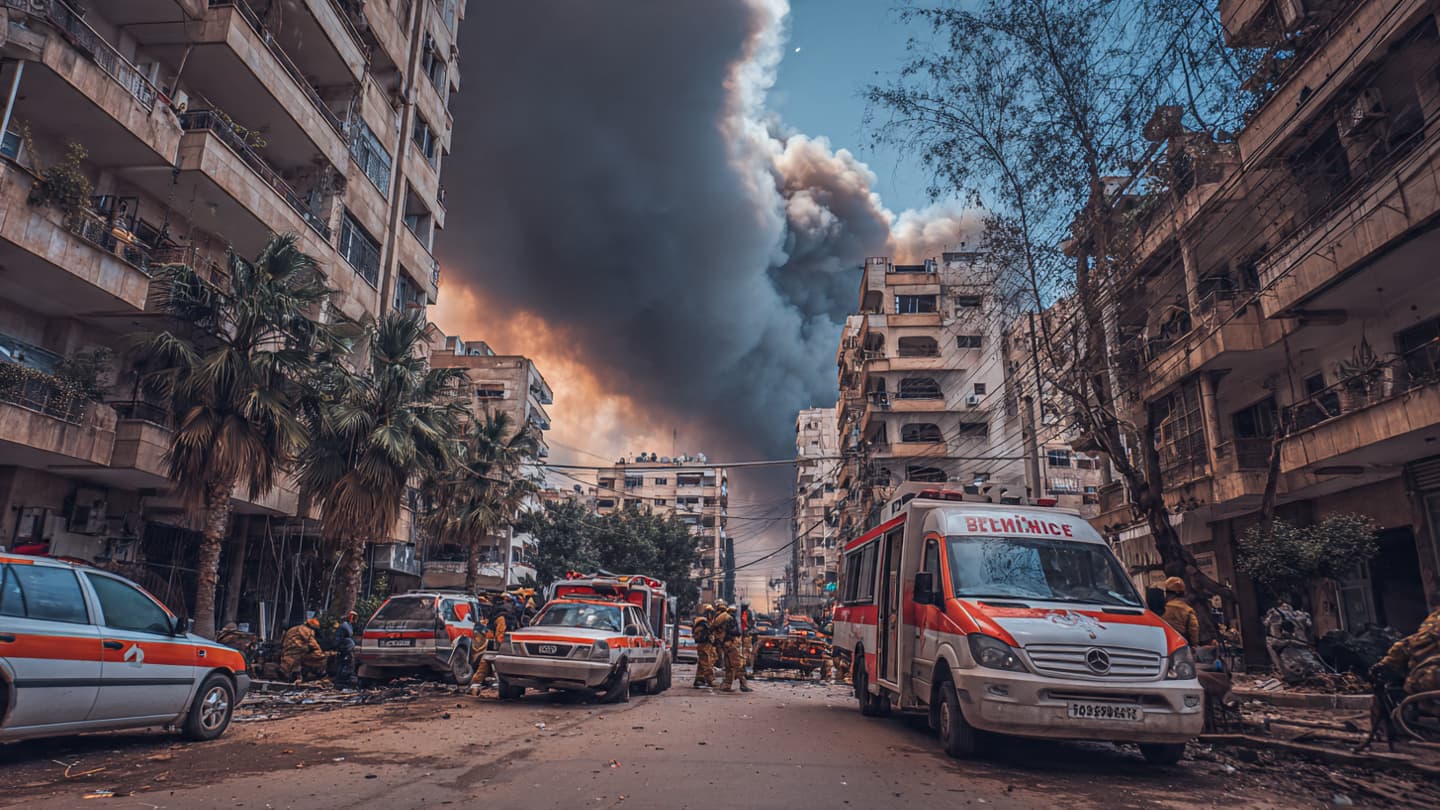
Residents in the affected neighborhoods reported scenes of chaos, with many families hurriedly evacuating their homes as heavy smoke billowed over the densely populated areas. Emergency responders and civil defense teams rushed to assist those impacted, navigating through damaged streets in search of those in need. Lebanese officials have expressed grave concerns that continued military operations in civilian areas could exacerbate the already dire humanitarian and economic conditions facing the country.
The recent airstrikes have also stirred memories of Lebanon's tumultuous past, where the sounds of aircraft and explosions evoke the traumas of previous conflicts. For many in Beirut, the echoes of war remain fresh, influencing public sentiment and heightening anxiety whenever tensions flare. Analysts emphasize that these historical experiences play a significant role in shaping the reactions of residents during such crises.
In light of the escalating violence, international observers, including the United Nations Interim Force in Lebanon (UNIFIL), have called for restraint from all parties involved. UNIFIL has repeatedly warned that any miscalculation along the border could lead to broader instability, affecting not just Lebanon but the entire Middle East region.
Israeli officials have reiterated their commitment to continue operations against perceived security threats linked to Hezbollah. Meanwhile, Lebanese authorities and international mediators are striving to foster renewed diplomatic efforts aimed at preventing further deterioration of the already fragile ceasefire environment. As the situation unfolds, the need for a sustainable resolution remains critical to ensuring peace in a region marked by decades of conflict.
Published by Banx Network. This article is part of the Banx decentralized media programme, powered by the BXE token on the XRP Ledger.




