
Key Highlights
- Environmental Crisis:A structural collapse in Dzerzhinsk has led to mercury contamination in local wetlands.
- Emergency Response:State officials have prohibited public access and initiated cleanup efforts.
- Investigation Launched:Federal prosecutors are investigating the historical neglect of the contaminated site.
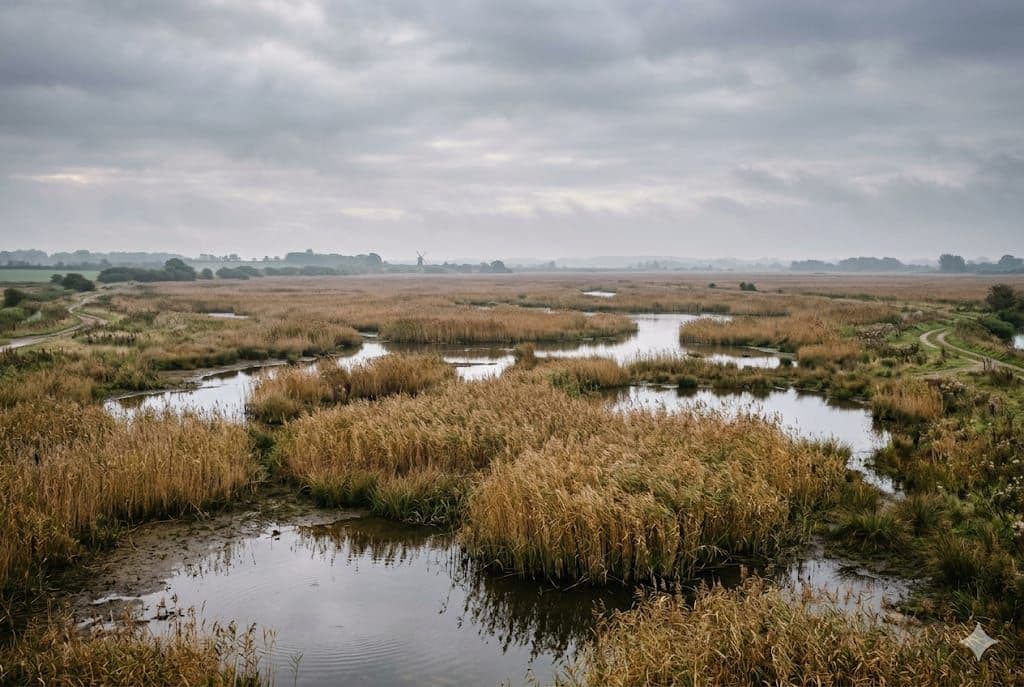
The slow-moving wetlands and shallow marsh drainage systems surrounding the historic industrial city of Dzerzhinsk serve as a crucial hydrological buffer, regulating surface water quality before it feeds into major river networks. These fragile aquatic habitats are often located near old, inactive chemical production zones, necessitating the safe isolation of legacy waste containment cells. The integrity of these structures is vital to prevent hazardous industrial residues from contaminating the surrounding soil and water.
However, this critical environmental safeguard failed when an underground masonry retention vault, which contained high-density mercury processing byproducts, suffered a severe structural collapse. Following a period of heavy seasonal groundwater surging, the ancient brick-and-mortar foundation disintegrated, allowing thousands of liters of toxic, mercury-laden sludge to seep into the sandy soil and migrate into the surface wetland complex. This sudden influx of heavy metal contaminants created a visible, dark chemical residue across the shallow water pools, triggering an immediate regional ecological emergency.
In response, state environmental protection officers and specialized hazardous material cleanup units issued an emergency warning, prohibiting all public entry, fishing, and agricultural water use across the affected wetland sector. The toxic plume advanced slowly through the interconnected marshes, threatening the biological stability of rare avian feeding grounds and local amphibian populations that depend on the purity of the seasonal water current. Conservationists have long warned about the systemic dangers posed by unmonitored industrial burial sites from the mid-twentieth century, and this incident has only heightened their concerns.
Specialized containment crews and chemical defense forces quickly established a defensive perimeter, deploying heavy plastic barrier liners and specialized chemical-binding bentonite clay curtains along the primary drainage channels to trap the heavy metallic sludge. Responders faced a daunting challenge, as extracting high-density heavy metal sediment from a soft, unstable marsh environment requires specialized amphibious excavators and low-ground-pressure transport equipment to avoid disturbing the contaminants further. Teams worked from floating boardwalks and reinforced positions, carefully tracking the movement of the heavy chemical front.
By the third day of the environmental crisis, mobile scientific laboratories confirmed highly elevated mercury concentrations in local surface water samples. This prompted federal environmental prosecutors to open a formal investigation into the historical ownership and maintenance neglect of the site. Biologists are concerned that if the mercury residues settle permanently into the organic mud layers, the toxic metal could enter the regional food web, magnifying in concentration as it moves from small organisms to predatory fish and bird species. The incident has intensified political demands for a national registry and immediate remediation of all abandoned industrial waste dumps, highlighting the urgent need for improved environmental oversight and accountability.
Published by Banx Network. This article is part of the Banx decentralized media programme, powered by the BXE token on the XRP Ledger.



