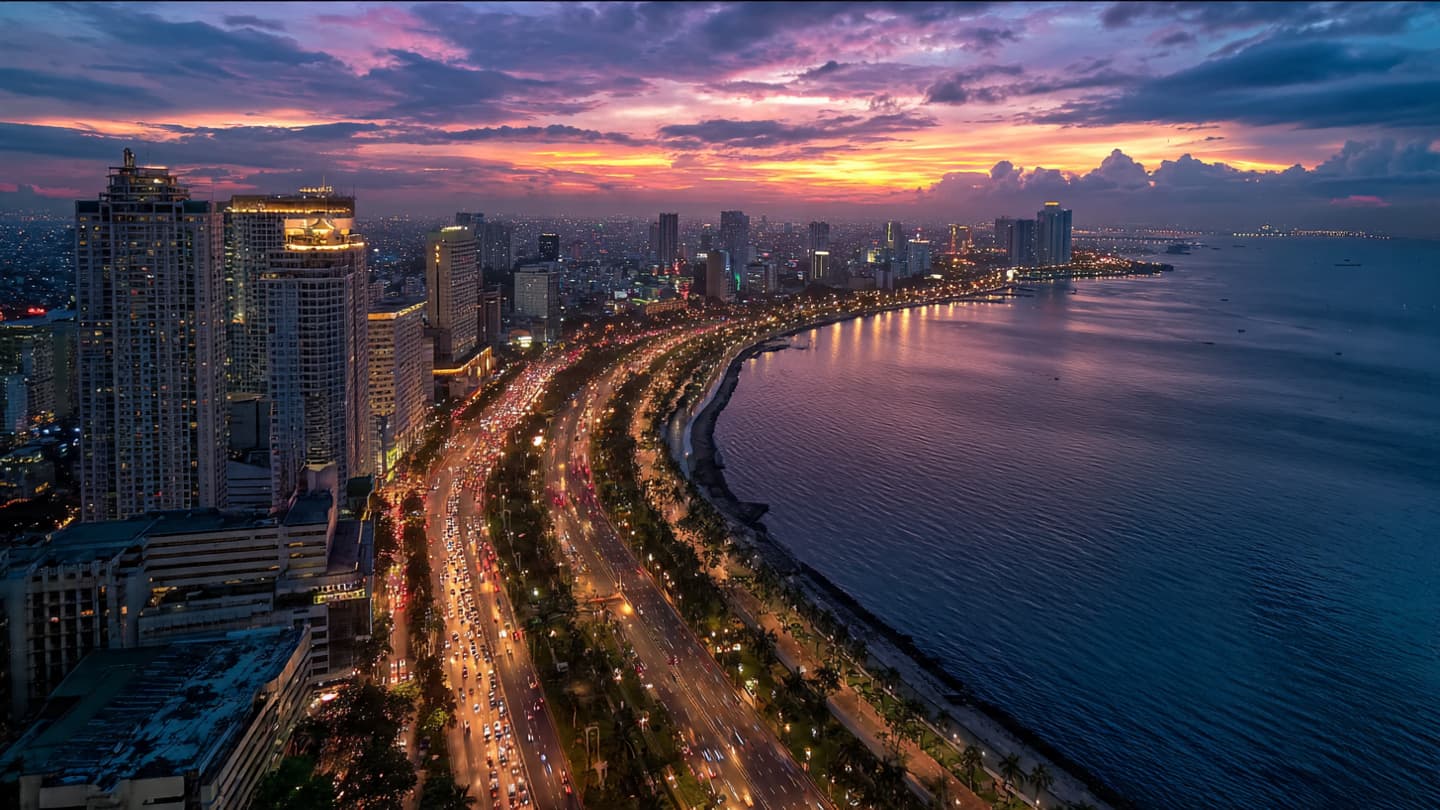
Evening settles slowly over Manila. The traffic along Roxas Boulevard thickens beneath orange streetlights, motorcycles weave through narrow openings in the road, and the humid air carries the distant scent of rain from the bay. Inside the Philippine Senate complex, however, the atmosphere recently shifted into something quieter and more brittle — a stillness broken not by speeches or applause, but by hurried footsteps, locked doors, and the realization that someone had disappeared.
The senator at the center of the moment was long accustomed to public scrutiny. His name had circulated for years through hearings, television interviews, and allegations tied to one of the darkest chapters in the country’s modern political history. But this week, attention sharpened after authorities confirmed that the lawmaker, who faces accusations linked to crimes against humanity under investigation by the International Criminal Court, fled from the Senate premises while security personnel attempted to enforce an arrest order.
The departure unfolded in fragments, according to officials familiar with the incident. Security officers reportedly arrived at the Senate compound in Pasay City expecting a controlled transfer. Instead, confusion spread through corridors and parking areas as the senator slipped away before authorities could detain him. By dawn, the Senate had become less a legislative building than the setting of a national search.
The International Criminal Court’s investigation into the Philippines has lingered over the country’s political landscape for years, resurfacing whenever questions about accountability and sovereignty return to public debate. The ICC has examined allegations connected to the violent anti-drug campaign carried out during former President Rodrigo Duterte’s administration, a campaign that drew both fierce domestic support and international criticism. Thousands of deaths linked to anti-narcotics operations became the subject of scrutiny from rights groups and foreign observers, even as Philippine officials repeatedly defended the campaign as necessary for public order.
For many Filipinos, the issue remains deeply layered — part legal question, part political struggle, and part emotional memory. In markets, cafés, and crowded jeepneys moving through Metro Manila, conversations about the ICC often drift into broader reflections about justice, national identity, and the country’s relationship with international institutions. The Senate escape only intensified those conversations, turning an already symbolic investigation into a scene of immediate drama.
The senator himself has denied wrongdoing and questioned the legitimacy of international intervention in Philippine affairs. Supporters have described the investigation as politically motivated, while critics argue that accountability cannot remain suspended indefinitely. Around the Senate compound, journalists gathered beneath temporary barricades as officials attempted to reconstruct how the escape occurred and whether internal security procedures had failed.
Yet beyond the procedural details, the moment seemed to reveal something quieter about Philippine politics itself — its long entanglement with spectacle, personality, and unresolved historical tension. The Senate, with its polished chambers and ceremonial authority, suddenly became a stage for uncertainty rather than legislation. Surveillance footage, conflicting accounts, and political accusations moved rapidly across television broadcasts and social media feeds, each version adding another layer to a country already accustomed to political turbulence.
President Ferdinand Marcos Jr.’s administration now finds itself navigating a difficult balance. His government has at times signaled limited cooperation with international inquiries while also maintaining the Philippines’ broader assertion of legal independence. The escape risks increasing pressure from both domestic opposition figures and international observers questioning whether authorities possess either the capacity or the willingness to enforce accountability against powerful political figures.
Meanwhile, ordinary life in Manila continues with its familiar rhythm. Ferries still cross the Pasig River, vendors still arrange fruit beneath hanging tarps before sunrise, and office workers continue filling the trains each morning. But politics in the Philippines often moves like weather over the archipelago — heavy, unpredictable, and impossible to ignore even from a distance.
The senator remains at large as authorities continue their search. Officials have pledged investigations into how the escape occurred, while Senate leadership faces growing scrutiny over security failures inside one of the country’s most heavily guarded political institutions. The International Criminal Court has not publicly commented in detail on the incident, though legal analysts suggest the episode could deepen tensions between Manila and The Hague in the months ahead.
For now, the Senate stands again beneath the humid Manila night, its marble corridors quieter than before. Somewhere beyond the city’s lights, investigators continue searching for a man whose disappearance has become larger than a single escape. It now reflects a country still wrestling with the difficult distance between power, justice, and memory — a distance that no locked gate or hurried departure can fully erase.
AI Image Disclaimer: These visuals were generated with AI technology and are intended as artistic representations rather than authentic photographs.
Sources:
Reuters BBC News Al Jazeera CNN Philippines Associated Press
Published by Banx Network. This article is part of the Banx decentralized media programme, powered by the BXE token on the XRP Ledger.