
Key Highlights
- A 46-year-old Belgian woman died after taking counterfeit Ozempic.
- Health officials warn against purchasing medications from unverified sources.
- Authorities emphasize the importance of obtaining prescriptions from licensed pharmacies.
[The Growing Threat of Counterfeit Medications]
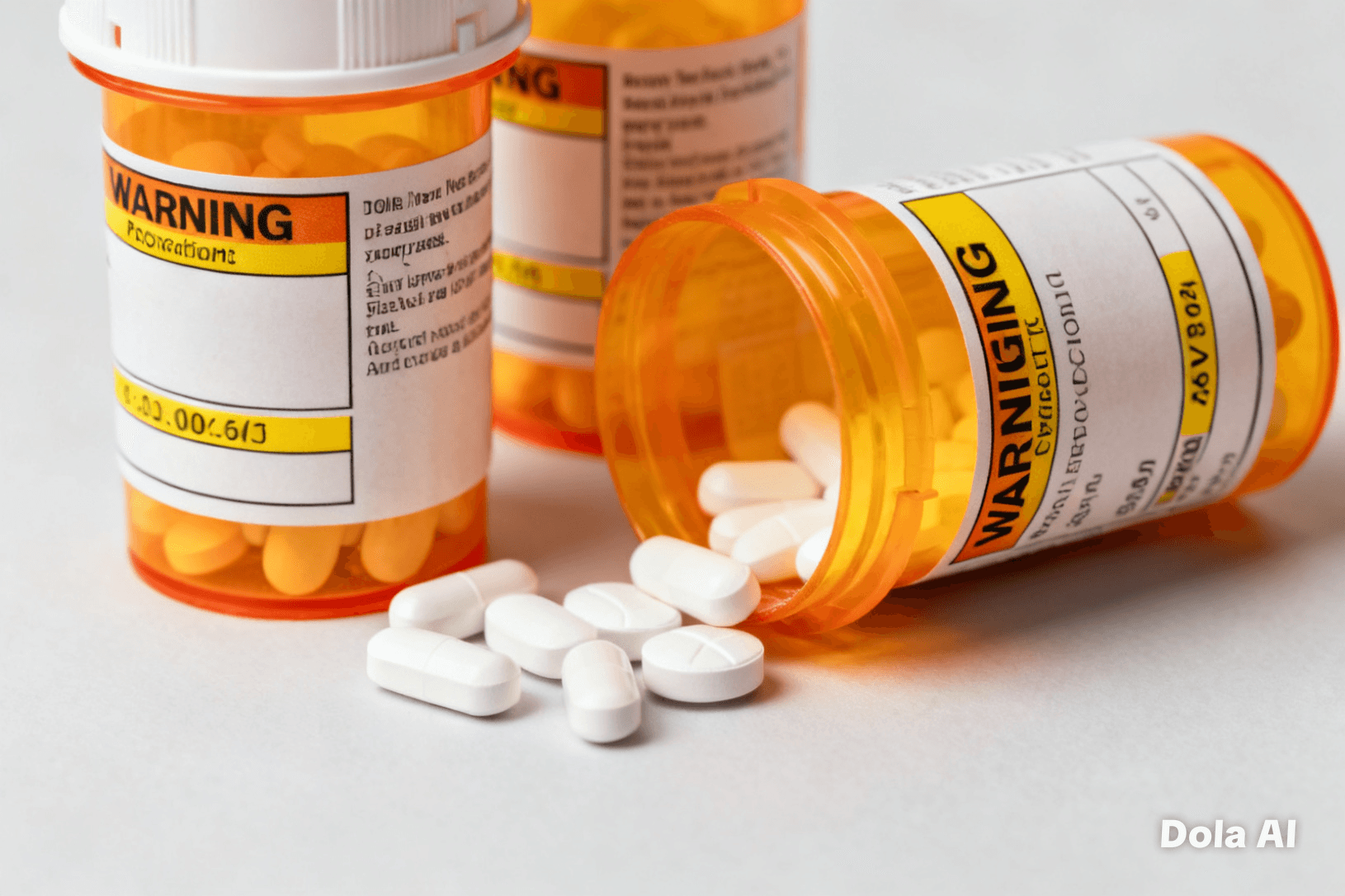
In a tragic incident that underscores the dangers of counterfeit medications, a 46-year-old woman from Belgium lost her life after consuming what she believed to be Ozempic, a medication commonly prescribed for managing blood sugar levels and aiding weight loss. This case serves as a stark reminder of the hidden risks associated with counterfeit drugs, which can appear legitimate but may contain harmful or toxic substances.
Authorities have raised alarms about the increasing prevalence of counterfeit medications, particularly those purchased online or from unverified sources. The convenience and affordability of these options can be tempting, but they often come with deadly consequences. Investigations into the woman's death revealed that the medication she ingested was not genuine, prompting health officials to issue urgent warnings about the dangers of unregulated sources.
Medical experts are now emphasizing the critical importance of ensuring the authenticity of medications. They advise patients to obtain prescriptions only from licensed pharmacies and to consult healthcare providers before starting any new treatment. Regulatory bodies are actively working to track the counterfeit supply chain and alert the public to this growing concern, especially in an era where digital access to medications is easier than ever.
The woman's tragic death serves as a somber reminder of the need for vigilance when it comes to health and safety. Health authorities have issued statements urging citizens to avoid purchasing medications online without proper verification and to report any suspicious products. These measures aim to protect not only individual patients but also the broader community from the dangers posed by counterfeit drugs.
As investigations continue, the focus remains on raising awareness and preventing further tragedies. Trusted medical guidance, careful sourcing of medications, and a healthy skepticism towards unverified claims are essential safeguards against the risks associated with counterfeit pills. The story of this woman's loss is not just a cautionary tale; it is a call to action for collective vigilance in the face of deception.
In conclusion, the incident highlights that even seemingly small choices regarding health can have profound consequences. As the public grapples with the implications of counterfeit medications, it is crucial to prioritize safety and authenticity in all health-related decisions.
Published by Banx Network. This article is part of the Banx decentralized media programme, powered by the BXE token on the XRP Ledger.



