In the quiet hum of a manufacturing floor, where precision and routine are paramount, there is an expectation of privacy for the workers who keep the global economy moving. Yet, in an age where cameras are shrinking to the size of eyeglass frames, that boundary can be crossed without intent or malice. Recent reports suggest that a pair of smart camera glasses, likely during a testing or quality control phase, captured accidental footage from inside a Chinese factory. The incident serves as a gentle but firm reminder of how rapidly technology is evolving, often outpacing the social and ethical frameworks we rely on to protect personal dignity.
The footage, which has circulated online, appears to show the interior of a production facility, with workers going about their tasks unaware they are being recorded. While the specific brand of the glasses has not been definitively confirmed in all reports, the incident highlights the potential for "always-on" wearable technology to capture unintended moments. For the workers involved, the realization that their daily labor was documented without consent can be unsettling, raising questions about data security and corporate responsibility.
Smart glasses, equipped with small lenses and microphones, are designed to blend seamlessly into everyday life. They offer convenience, allowing users to capture memories or access information hands-free. However, this convenience comes with a shadow side: the ease with which one can record without drawing attention. In a factory setting, where intellectual property and worker privacy are closely guarded, such an accidental breach can have significant implications for both the manufacturer and the employees.
The company behind the glasses, if identified, will likely face scrutiny over its testing protocols. How did the device remain active in a sensitive environment? Were there safeguards in place to prevent unauthorized recording? These are not just technical questions but ethical ones, touching on the respect owed to individuals in the workplace. The incident underscores the need for rigorous internal controls and clear guidelines for employees handling prototype devices.
For consumers, the story is a cautionary tale about the power of the technology they wear. As smart glasses become more common, users must be mindful of where they point their lenses. The line between capturing a moment and invading privacy is thin, and it requires constant vigilance. Education and awareness are key to ensuring that these tools are used responsibly and respectfully.
Legal experts note that laws regarding recording in private workplaces vary by jurisdiction. In many places, recording without consent is a violation of privacy rights, regardless of intent. This case may prompt a reevaluation of existing regulations, pushing for stricter standards on wearable technology in professional settings. It is a step toward balancing innovation with individual rights.
The reaction from the public has been mixed, with some expressing concern for the workers and others curious about the technology itself. This duality reflects the complex relationship we have with digital advancement. We embrace the new, yet we fear the loss of control it brings. Finding a middle ground is essential for a harmonious technological future.
As the investigation into the accidental footage continues, the focus remains on protecting the privacy of the workers involved. The incident serves as a valuable lesson for tech developers and users alike, reminding us that with great connectivity comes great responsibility.
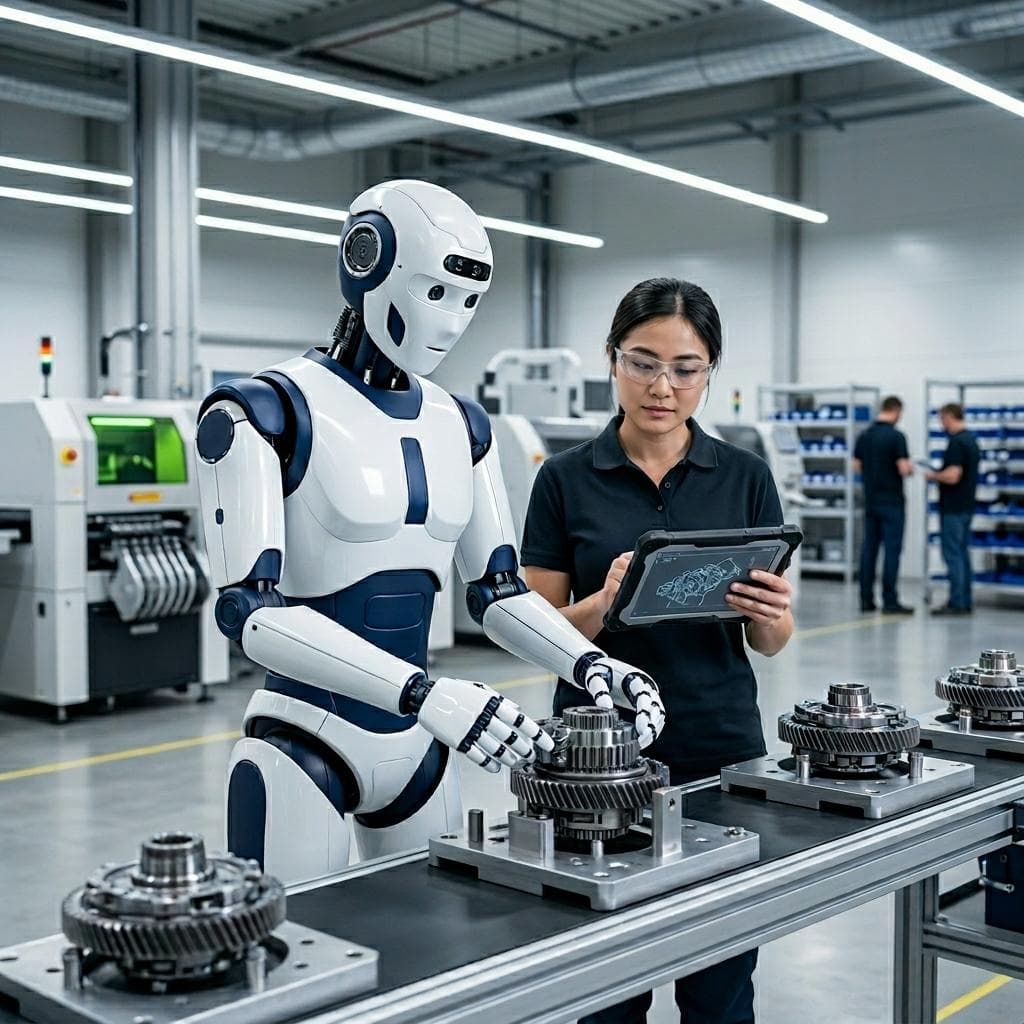
AI Image Disclaimer: Please note that any accompanying visuals for this report are AI-generated representations intended to illustrate the context of the event.
Sources: ABC News The Guardian TechCrunch Reuters
Published by Banx Network. This article is part of the Banx decentralized media programme, powered by the BXE token on the XRP Ledger.