There are stories that unfold like a quiet unraveling — threads pulled from a deeper weave that suddenly come into view under a softer light. In recent weeks, a set of emails made public by the United States Department of Justice has drawn fresh attention to one such thread, linking the late financier Jeffrey Epstein’s Manhattan residence with a chapter in the post-office life of Israel’s former prime minister, Ehud Barak. The images in these emails are not dramatic scenes but lines of correspondence — planners, installers, approvals, surveillance — yet together they sketch a surprising picture of a period now under scrutiny.
The apartment in question, at 301 East 66th Street in New York City, was formally owned by a company linked to Epstein’s brother but effectively part of the broader portfolio of properties connected with Epstein’s network. According to the newly revealed emails, officials from the Israeli permanent mission to the United Nations coordinated with Epstein’s staff beginning in early 2016 to install and manage security equipment at the residence, where Barak reportedly stayed during extended visits. Alarms, sensors, and access control systems were put in place, and Israeli security personnel worked on background checks for staff entering the apartment.
Under Israeli law, former prime ministers are entitled to state-funded security after leaving office — a provision that underpinned the presence of an Israeli protective detail around Barak. Yet the correspondence suggests more than routine protection: it displays a degree of coordination between representatives of a sovereign government and an individual whose reputation had already been deeply tarnished by legal proceedings in the United States. The arrangement continued for at least two years, with frequent communication between Israeli mission security officials and Epstein’s aides about access, surveillance, and personnel.
The timing of these arrangements overlaps with Barak’s post-premiership years, a period when he was engaged in various business ventures and maintaining international connections. In response to the recent revelations, Barak has publicly expressed regret over his past association with Epstein, emphasizing that he was not involved in any improper conduct and was unaware of the full scope of Epstein’s criminal activities until later disclosures.
In political discourse inside Israel, the revelations have been seized upon by rivals and commentators alike. Some critics argue that the episode reflects poorly on Barak’s judgment and raises questions about the nature of his international engagements; others caution against conflating lawful security provision with deeper political or intelligence entanglements. These reactions suggest that the story resonates not simply because of its specifics, but because it touches on broader themes of trust, accountability, and the intersections between power and personal networks.
The apartment’s history has long been part of the wider public narrative around Epstein’s extensive circle. Reports from previous document releases have shown that units in the building were used for a variety of purposes, including housing guests and associates, sometimes in opaque circumstances. The newly released emails add another chapter to that complex record, showing that official diplomatic and security channels were drawn into its operations in real time.
For Israelis and observers abroad, the episode underscores how intertwined personal relationships and state protocols can become over time. The mechanics of security — alarms, sensors, coded emails — may seem mundane in isolation, but woven together they reflect a period when formal protections and private associations intersected in ways that now attract public scrutiny. Whether this becomes a footnote in a larger biography or a pivotal moment in political memory is a matter still unfolding.
In summary, U.S. Justice Department emails reveal that Israeli government officials installed and maintained security systems at a Manhattan apartment managed by Jeffrey Epstein and used by former Israeli prime minister Ehud Barak, coordinating access and surveillance over multiple years. Barak has since expressed regret over his association with Epstein, emphasizing his lack of knowledge about the full extent of Epstein’s crimes. The revelation has sparked debate in Israel over its implications and context.
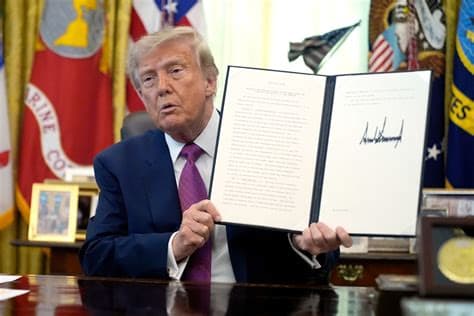
AI Image Disclaimer Visuals are created with AI tools and are not real photographs.
Sources Al Jazeera Anadolu Agency AP News (Barak regret story) Reuters (background context) Supplemental documentary reporting reflected in multiple outlets
Published by Banx Network. This article is part of the Banx decentralized media programme, powered by the BXE token on the XRP Ledger.