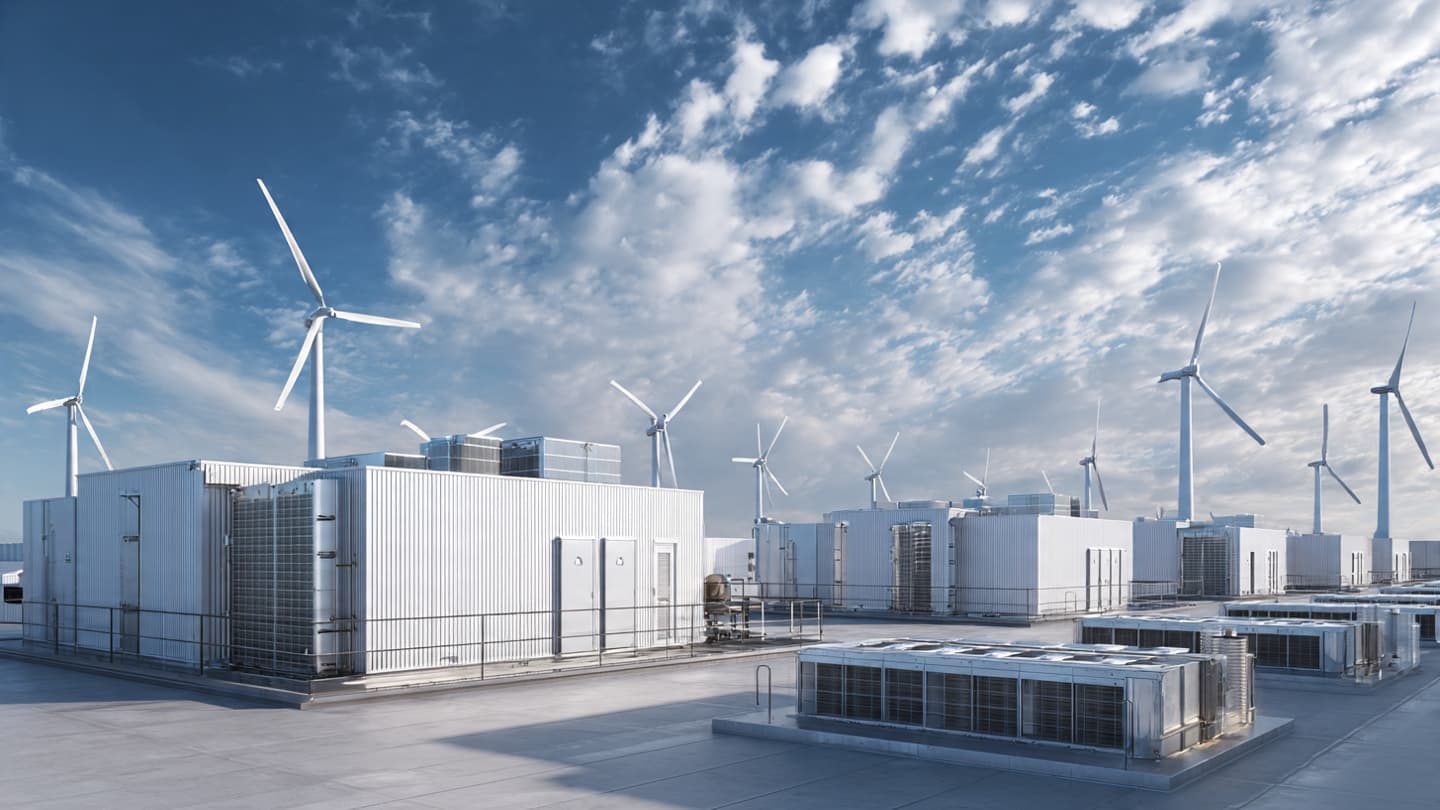
The digital age is often imagined as weightless—a world of invisible data flowing effortlessly through networks and devices. Yet beneath that perception lies a vast physical infrastructure of servers, cooling systems, and energy-intensive computing facilities. According to scientists affiliated with the United Nations, the rapid expansion of artificial intelligence is drawing increased attention to these environmental realities.
Recent research highlights the growing energy, water, and land requirements associated with advanced AI technologies. As companies and institutions deploy increasingly powerful models, demand for large-scale data centers continues to rise around the world.
Artificial intelligence systems require substantial computational resources, particularly during training phases. Large language models and other advanced AI applications often rely on extensive processing capabilities, consuming significant amounts of electricity in the process.
Researchers warn that expanding AI infrastructure may place additional pressure on electricity grids and water resources. Many data centers depend on cooling systems that require considerable volumes of water, particularly in regions experiencing higher temperatures.
The environmental impact varies depending on energy sources and operational practices. Facilities powered by renewable energy generally produce lower carbon emissions than those relying heavily on fossil fuels.
Scientists emphasize that technological innovation and environmental sustainability do not necessarily conflict. Instead, they argue that integrating efficiency measures and sustainable infrastructure into AI development can help reduce environmental burdens.
Technology companies have increasingly announced investments in renewable energy projects and energy-efficient computing systems. Some firms are also exploring alternative cooling technologies designed to minimize water consumption.
Environmental experts stress that transparency will be important moving forward. Public reporting on energy use, emissions, and resource consumption could help policymakers and industry leaders make informed decisions.
As artificial intelligence continues to expand across economies and societies, researchers suggest that sustainability considerations should become an integral part of future technological planning. The challenge, they note, is to ensure that digital progress remains compatible with environmental stewardship.
AI Image Disclaimer: Visual elements in this article were generated using artificial intelligence for illustrative purposes and do not depict actual facilities.
Sources Verified: United Nations University, Reuters, Nature, Scientific American, AFP
Published by Banx Network. This article is part of the Banx decentralized media programme, powered by the BXE token on the XRP Ledger.