
Key Highlights
- AP Investigation:A recent report reveals connections between American tech firms and China's surveillance systems.
- Ethical Concerns:The findings raise questions about corporate responsibility in the digital age.
- Global Implications:The report highlights the international pathways of technology that can impact privacy and human rights.
The landscape of technology is often painted with broad strokes of promise and efficiency. However, beneath the surface lies a more complex narrative, one that intertwines innovation with the potential for control. A recent investigation by the Associated Press has shed light on this duality, revealing how American technology companies are linked—both directly and indirectly—to components of China’s expanding digital surveillance apparatus.
The AP's investigation meticulously traced the pathways of software, services, and technological expertise that intersect with systems used for monitoring, facial recognition, and data-driven public oversight. This exploration is crucial as it highlights the often-overlooked aspects of digital infrastructure, which is built quietly through contracts, updates, servers, databases, and procurement decisions. From these seemingly innocuous foundations, vast systems of observation can emerge, raising significant ethical questions.
China's surveillance framework has been a subject of scrutiny for years, but the AP report stands out for its focus on the international commercial pathways that allow advanced technological capabilities to traverse borders. This is not merely a question of direct intention; many companies provide broadly applicable tools—such as cloud services and analytics—without explicit designs for coercive use. However, the context in which these tools are deployed can dramatically reshape their purpose and impact.
The implications of this investigation resonate far beyond the borders of any single nation. As artificial intelligence, biometric tools, and predictive systems become central to global discussions about privacy and human rights, the responsibilities of private industry come under increasing scrutiny. Critics argue that the report illustrates how the pace of innovation can outstrip ethical considerations, while companies face the challenge of navigating global markets where commercial opportunities are often entangled with political consequences.
Technology itself does not dictate commands; however, once integrated into institutions of power, it can significantly enhance the capabilities of authorities to observe, measure, and predict behaviors. This capacity has emerged as one of the defining concerns of the digital age, prompting urgent discussions about the balance between innovation and ethical responsibility.
The AP investigation continues to fuel broader conversations about corporate accountability, the implications of surveillance technology, and the need for democratic societies to critically assess the global movement of digital tools. As these discussions unfold, the intersection of technology and ethics remains a pivotal area of concern for stakeholders across the globe.
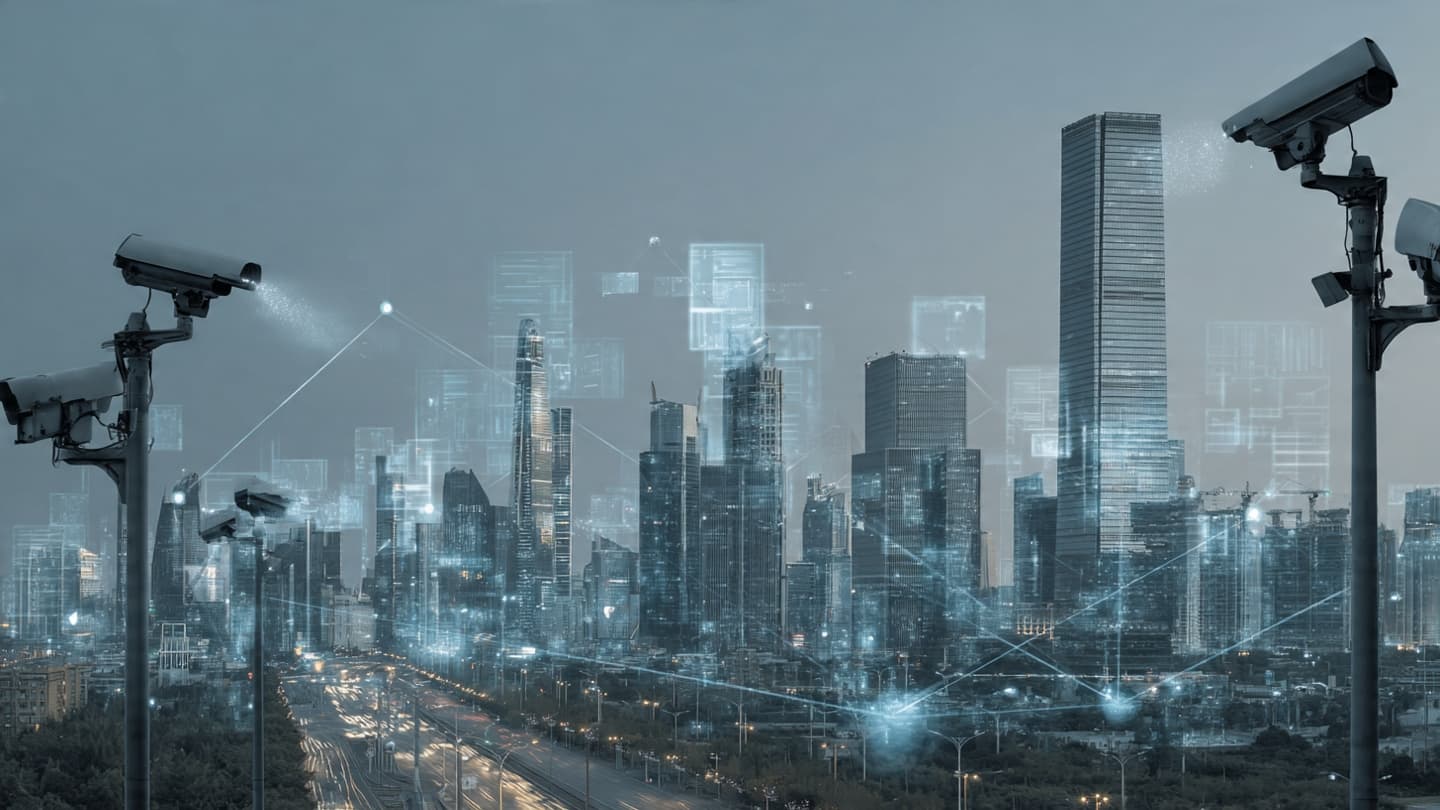
AI Image Disclaimer: Graphics are AI-generated and intended for representation, not reality.
Published by Banx Network. This article is part of the Banx decentralized media programme, powered by the BXE token on the XRP Ledger.



