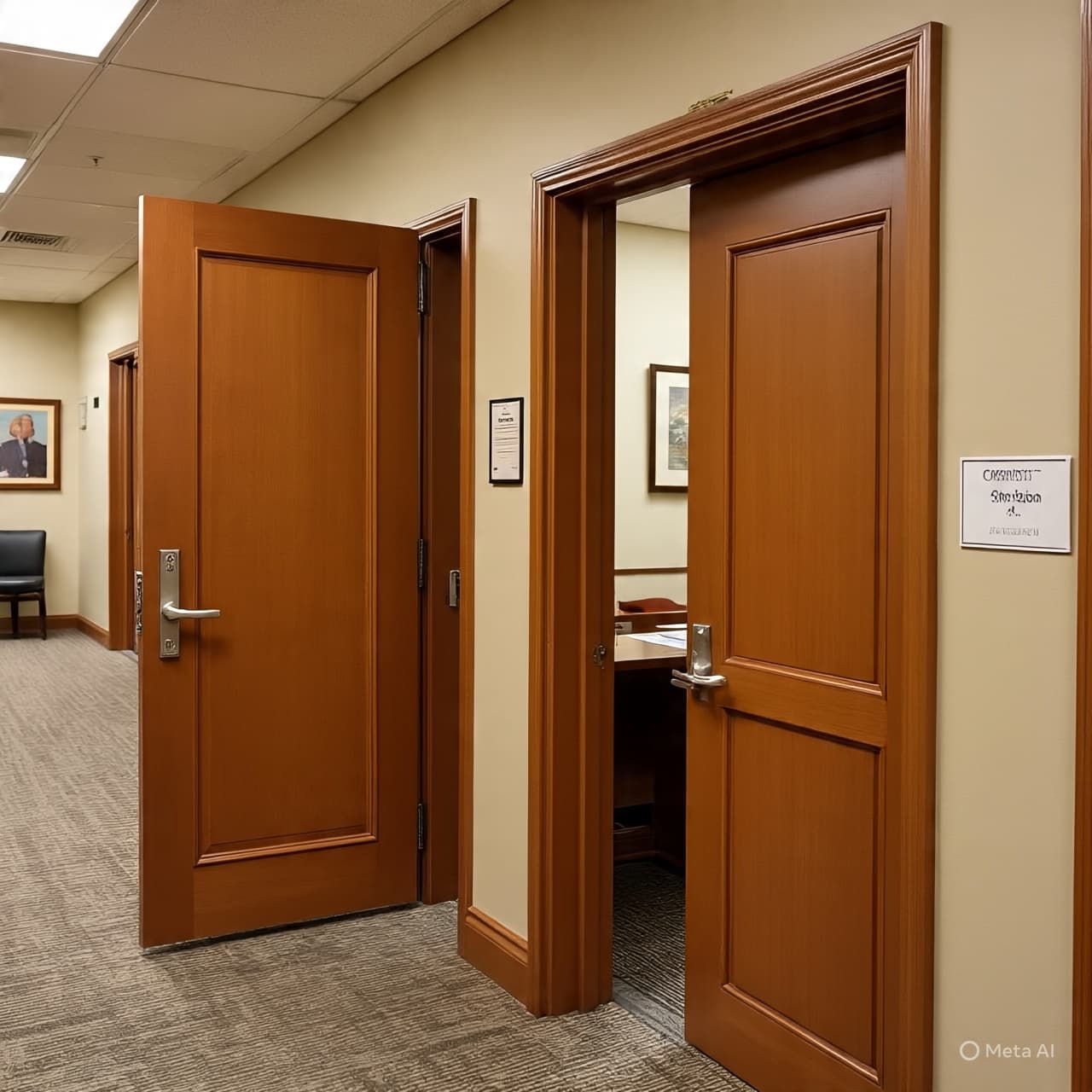
In municipal buildings where fluorescent lights hum long after the afternoon has thinned, new safety committees have begun to gather. The doors close softly. Papers are arranged. Voices lower into procedural cadence. Outside, the corridors remain open to the public, but inside, conversation folds in on itself.
Across several local authorities, recently convened community safety committees are meeting behind closed doors, with journalists excluded from proceedings. Officials say the format allows for candid discussion among stakeholders — including local representatives, law enforcement, service providers, and community groups — on matters ranging from antisocial behavior to public disorder and neighborhood concerns.
The committees are part of a broader shift toward structured, locally driven approaches to safety planning. Supporters argue that confidentiality can encourage frank exchanges and protect sensitive information, particularly when individual cases or operational details are discussed. They say these forums are designed to coordinate responses, identify trends, and align resources more effectively.
Yet the absence of media presence has drawn criticism from some transparency advocates, who question whether discussions affecting public policy and local priorities should unfold without public observation. Journalists in several areas have reported being denied entry or informed that meetings would not be open to press coverage. The tension rests in a familiar space: the balance between operational discretion and democratic visibility.
Local authorities maintain that minutes or summaries may be released after meetings, and that elected representatives participating in the committees remain accountable to their constituents. Still, critics note that closed-door deliberations can shape decisions long before formal votes or public consultations occur.
Safety, by its nature, is a shared concern. It belongs to streets and schools, parks and late-night bus stops. It belongs to the everyday spaces where communities gather and disperse. When conversations about those spaces move indoors, beyond public view, the question becomes less about secrecy and more about trust — about how communities understand the decisions made in their name.
For now, the committees continue their work, convening quietly, drafting strategies, and charting responses to local challenges. Outside, reporters wait in hallways or file requests for comment, seeking to trace the outlines of conversations they cannot hear.
The doors may close at the start of each meeting, but the outcomes — policies, funding allocations, enforcement priorities — will return to the open air. And it is there, in the lived experience of residents, that the true measure of transparency and effectiveness will be felt.
AI Image Disclaimer
Illustrations were created using AI tools and are not real photographs.
Sources
Department of Justice An Garda Síochána RTÉ News The Irish Times
Published by Banx Network. This article is part of the Banx decentralized media programme, powered by the BXE token on the XRP Ledger.