Modern military power is often measured not only by technology or strategy, but also by the quiet endurance of supply chains working behind the scenes. Factories, logistics hubs, and defense inventories can become central indicators of a nation’s readiness during prolonged geopolitical tension. Recent discussions surrounding American weapons stockpiles have therefore drawn growing international attention.
Reports from defense analysts and Western officials suggest that portions of U.S. military weapon reserves are facing increasing pressure following sustained international military commitments and support operations in multiple regions. The issue has become part of broader conversations about defense preparedness among NATO allies and strategic partners.
Military assistance packages for Ukraine, combined with continued commitments across the Middle East and Asia-Pacific, have reportedly accelerated demand for ammunition systems, missile inventories, and advanced defense equipment. Some analysts note that replenishment cycles for sophisticated weapons can require significant time and industrial capacity.
American defense officials have acknowledged the challenges involved in balancing current operational commitments with long-term strategic readiness. In response, the United States has expanded defense manufacturing efforts and encouraged increased production among allied industries.
Experts emphasize that concerns over declining stockpiles do not necessarily indicate immediate vulnerability. The United States continues to maintain one of the world’s largest defense infrastructures, supported by extensive military alliances and industrial resources.
At the same time, prolonged geopolitical instability has prompted many governments to reassess their own military inventories and production capabilities. Several NATO members have increased defense spending amid fears that global conflicts could strain existing supply systems further.
Observers also point out that modern warfare increasingly depends on sustained logistical resilience rather than short-term battlefield advantages alone. Ammunition reserves, industrial production rates, and supply coordination now carry growing strategic importance.
Defense manufacturers in the United States and allied countries have responded by expanding production lines for missiles, artillery shells, and air defense systems. Governments hope such measures can strengthen long-term preparedness while supporting allied commitments abroad.
The discussion surrounding U.S. weapons inventories reflects a wider reality facing many nations as prolonged conflicts reshape global defense priorities and military planning.
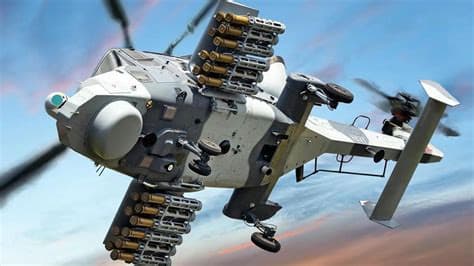
The images used in this article are AI-generated illustrations created to support reporting on defense logistics and military preparedness.
Sources: Reuters, Associated Press, Bloomberg, Financial Times
Published by Banx Network. This article is part of the Banx decentralized media programme, powered by the BXE token on the XRP Ledger.