A coordinated uprising across three major penitentiaries in Guatemala has resulted in the confirmed deaths of seven police officers during intensive operations to retake the facilities. The violent mutinies began simultaneously over the weekend, after prison administrators moved to enforce strict new regulations and strip privileges from high-ranking incarcerated gang leaders.
Inmate factions affiliated with the powerful Barrio 18 syndicate quickly overwhelmed internal security details, seizing control of cellblocks and taking dozens of guard staff hostage. The primary flashpoint occurred at the Renovación maximum-security facility in Escuintla, located approximately 76 kilometers southwest of the capital, before spreading to two other regional institutions.
Hundreds of heavily armed anti-riot police and military commandos were deployed to execute lightning raids to breach the barricaded entryways and rescue the captive personnel. The ensuing close-quarters combat inside the concrete corridors turned lethal as rioting inmates utilized improvised weapons and smuggled firearms to resist the advancing state forces.
Medical personnel positioned outside the perimeter walls treated a steady stream of casualties as tactical units systematically cleared individual sectors using tear gas and flashbangs. While all civilian hostages were eventually liberated by the assault teams, seven national officers sustained fatal ballistic and traumatic injuries during the chaotic clearing operations.
The Interior Ministry revealed that the prison riots were directly masterminded by an isolated gang commander who sought to pressure the state into restoring illicit cell privileges. The scale of the institutional breakdown has exposed critical security failures, including the widespread smuggling of communications equipment and weaponry into high-security blocks.
Forensic teams have moved into the damaged wings of the three correctional institutions to gather physical evidence and identify the specific inmates who directed the fatal assaults. Heavy mechanical fencing and automated lockdown systems within the facilities suffered extensive structural damage during the hours-long conflagration.
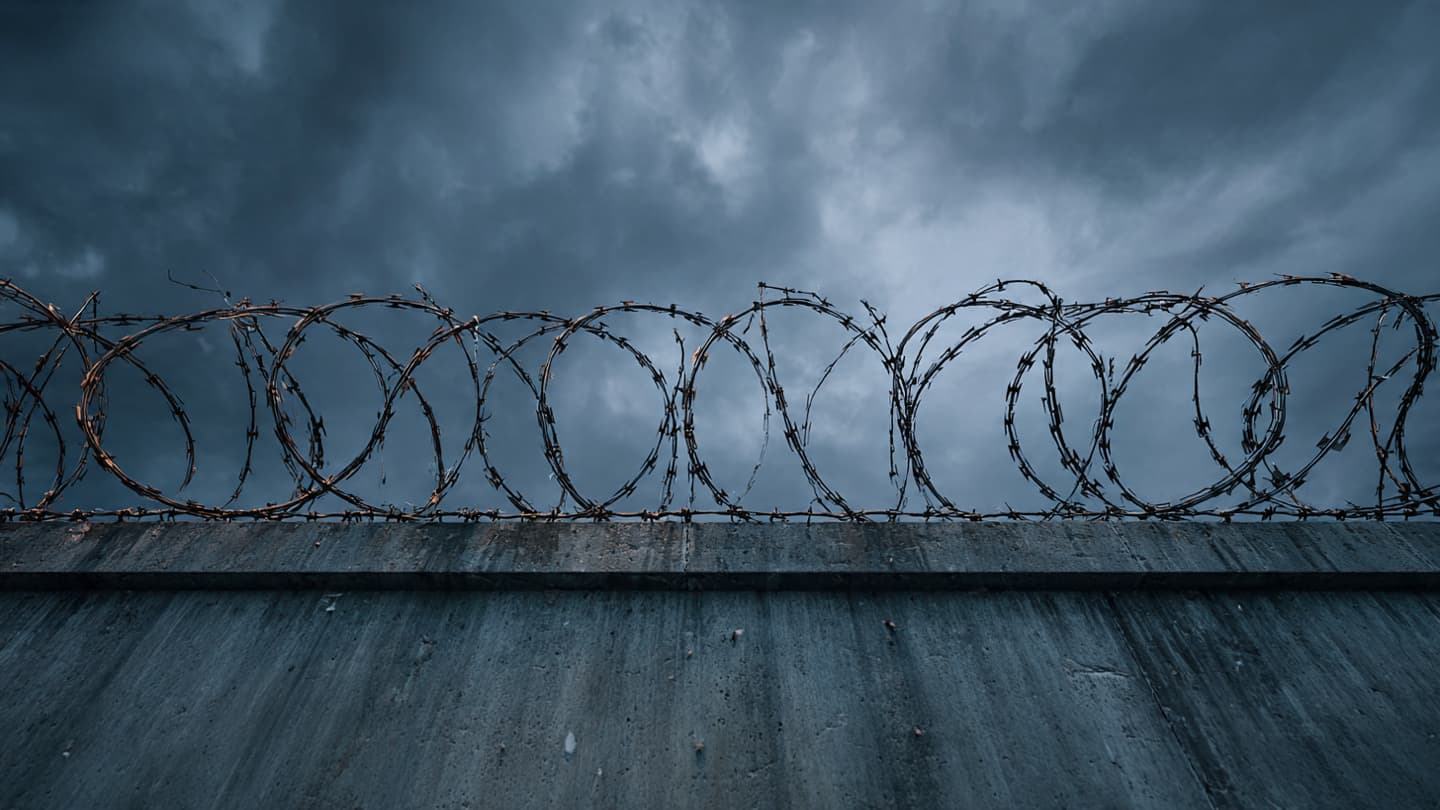
Outside the penitentiary perimeters, distressed relatives of both the law enforcement officers and the inmates gathered behind razor-wire blockades, demanding official casualty rosters from nervous military sentries. Security forces have maintained a permanent, high-alert presence around the complexes to prevent potential mass escape attempts.
The judicial branch has ordered the immediate transfer of the primary riot instigators to isolated, underground holding cells to sever their communication with external network elements. Government prosecutors are currently drafting aggravated homicide charges against dozens of identified mutineers, seeking the absolute maximum penalties available under current penal codes.
The atmosphere at the retaken facilities remains tense and highly restrictive as engineering crews work under armed escort to repair broken security infrastructure. The loss of the seven officers has sent shockwaves through the national correctional apparatus, prompting calls for an immediate, independent audit of prison management.
Published by Banx Network. This article is part of the Banx decentralized media programme, powered by the BXE token on the XRP Ledger.