
Key Highlights
- Global displacement has declined to approximately 118 million people.
- The reduction follows years of rising displacement due to conflict and instability.
- Humanitarian agencies continue to support displaced individuals through various programs.
The latest data from the United Nations reveals a significant yet complex narrative regarding global displacement. As of now, approximately 118 million people are forcibly displaced worldwide, marking a notable decline from previous years characterized by escalating numbers due to armed conflict, political instability, and humanitarian crises. While this reduction offers a glimmer of hope, it is essential to recognize that the overall figure remains historically high, reflecting ongoing global challenges.
Forced displacement arises from various factors, including armed conflict, environmental pressures, and humanitarian emergencies. Individuals and families often find themselves in precarious situations, forced to make difficult choices in search of safety and stability. The UN's report serves as a reminder that behind every statistic lies a human story shaped by uncertainty, resilience, and hope.
Despite the decline in numbers, international organizations caution that this does not signify the resolution of the underlying issues. Many displaced individuals remain unable to return to their homes due to security concerns, damaged infrastructure, or unstable political conditions. The humanitarian landscape is complex, with agencies emphasizing the need for continued support and engagement to address the root causes of displacement.
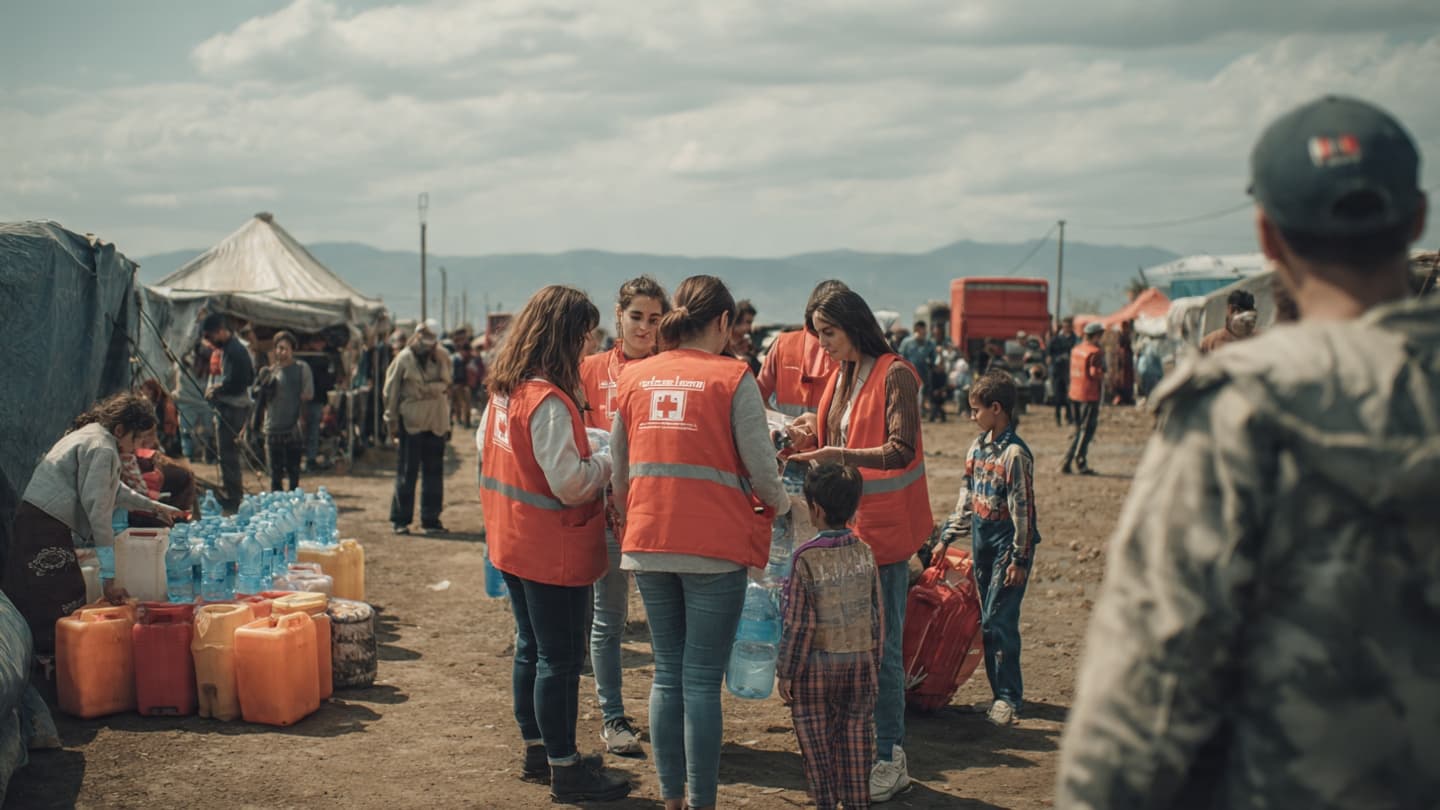
Humanitarian agencies play a crucial role in providing support to displaced populations. They offer essential services such as shelter, healthcare, education, and food assistance. These efforts rely heavily on collaboration among governments, non-governmental organizations, and international institutions. The economic implications of displacement are significant, as host countries often bear substantial responsibilities while balancing their domestic priorities. Communities strive to integrate displaced populations while addressing local needs, creating a multifaceted challenge.
Amid these challenges, stories of resilience and adaptation emerge. Across the globe, displaced individuals have established businesses, pursued education, and contributed positively to their host communities. These narratives highlight the capacity for human adaptation even in the face of adversity, showcasing the strength and determination of those affected by displacement.
Policy discussions are increasingly focusing on long-term solutions to the challenges of displacement. These solutions encompass conflict prevention, reconstruction efforts, legal protections, and pathways that allow displaced populations to rebuild their lives with greater security. The latest UN figures provide cautious encouragement, but they also underscore the need for sustained international engagement and support.
In conclusion, while the decline in global displacement numbers is a positive development, it is crucial to remember that behind every statistic remains a person seeking stability, dignity, and the opportunity to look toward the future. The journey of displaced individuals is far from over, and continued efforts are necessary to ensure their voices are heard and their needs are met.
Published by Banx Network. This article is part of the Banx decentralized media programme, powered by the BXE token on the XRP Ledger.



