
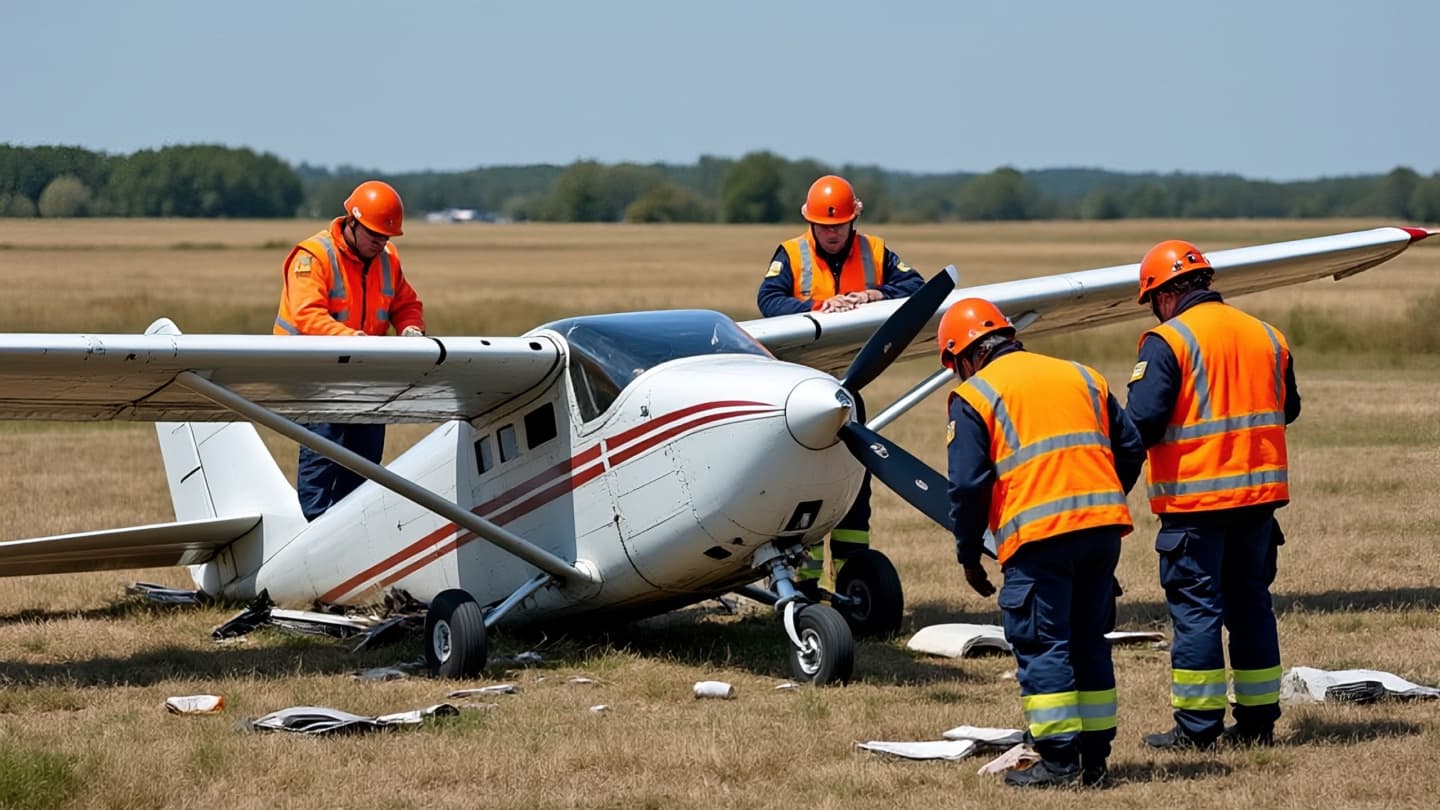
Key Highlights
- Transportation accidents can disrupt lives and communities.
- Emergency responders play a vital role in immediate aftermath.
- Investigations aim to improve safety standards and prevent future incidents.
Transportation connects communities, economies, and families across the world. Every day, millions of people travel by road, rail, sea, and air with the expectation of reaching their destinations safely. Yet, in rare moments, accidents can interrupt ordinary journeys and create situations that demand immediate response, careful investigation, and compassion for those affected.
Recently, authorities responded to a significant transport accident that resulted in casualties and prompted emergency operations. Rescue teams, medical personnel, and local officials worked together to provide assistance while investigators began examining the circumstances surrounding the incident. The swift action of these teams is crucial in mitigating the impact of such tragedies.
Emergency response teams play a critical role during the first hours after a disaster. Their work includes locating affected individuals, providing medical treatment, securing dangerous areas, and coordinating information between different agencies. The effectiveness of these responses often depends on preparation, communication, and cooperation among various stakeholders, including local governments and transportation authorities.
Transportation accidents are usually investigated through a detailed process involving technical experts, safety officials, and government agencies. Investigators examine equipment conditions, environmental factors, operational procedures, and other available evidence to understand what happened and identify possible safety improvements. This thorough investigation process is essential not only for accountability but also for enhancing future safety measures.
Experts note that accident investigations are not only focused on determining immediate causes but also on preventing similar incidents in the future. Findings from investigations often contribute to updated safety standards, improved training programs, and technological advancements designed to protect passengers and workers. These improvements are vital in fostering a culture of safety within the transportation sector.
Communities affected by major accidents often experience a period of grief and uncertainty. Beyond the immediate emergency response, support systems become important in helping families, survivors, and local communities recover from the emotional impact of unexpected events. Local organizations and mental health professionals often step in to provide necessary support during these challenging times.
Governments and transportation organizations continue investing in safety measures, including improved infrastructure, monitoring systems, and emergency preparation. While accidents cannot always be predicted, continuous improvement in safety practices can reduce risks and strengthen public confidence in transportation systems. The aftermath of a transportation accident serves as a reminder of the importance of preparedness and responsibility.
As investigations continue, authorities focus on understanding the event, supporting those affected, and applying lessons that may help create safer journeys in the future. The commitment to safety and community support is essential in rebuilding trust and ensuring that transportation remains a reliable means of connecting people.
Published by Banx Network. This article is part of the Banx decentralized media programme, powered by the BXE token on the XRP Ledger.



