
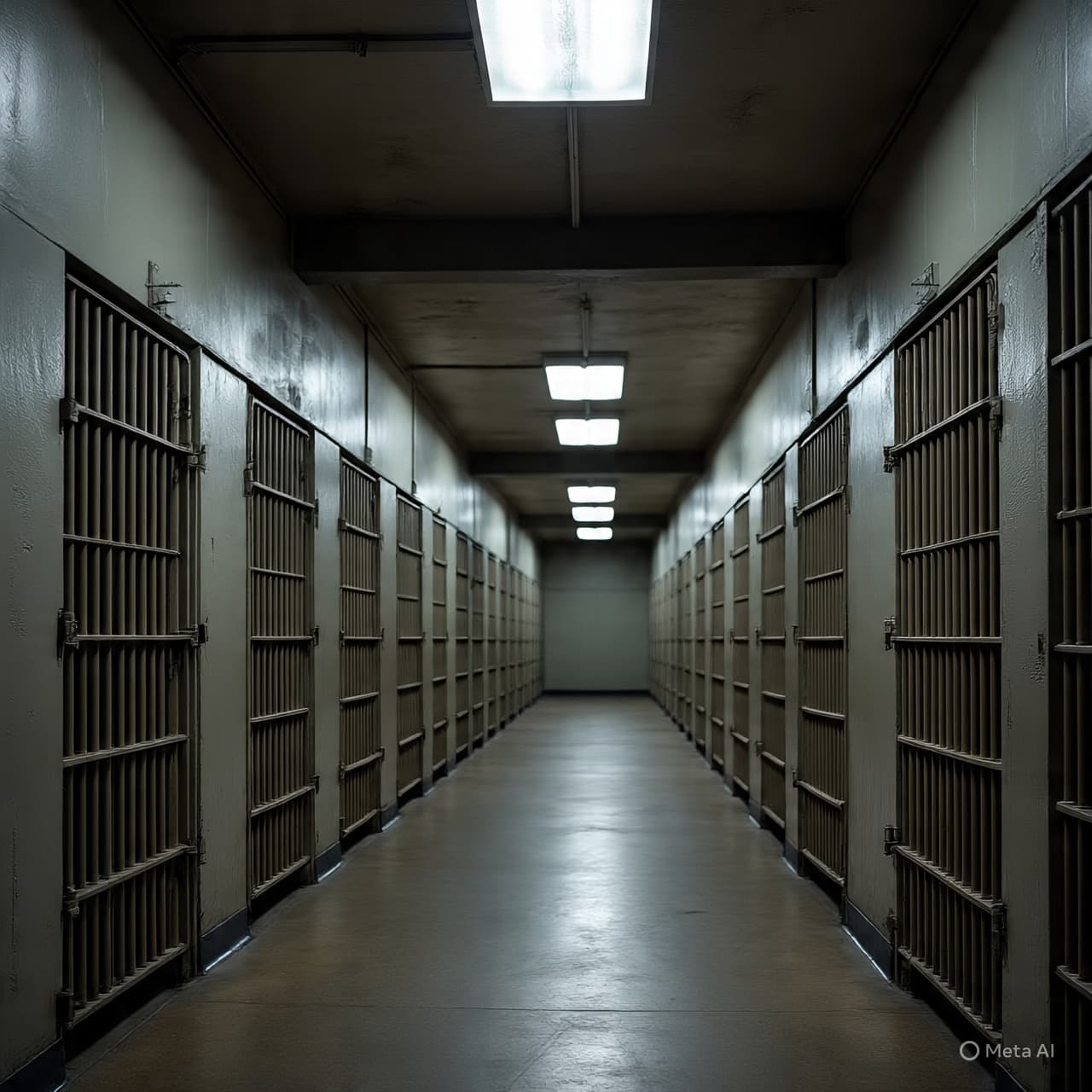
Prisons exist at the edge of public sight. Their walls are designed to contain not only individuals, but the violence and disruption that led them there. Inside, days are measured in routine—locked doors, scheduled movements, the steady echo of footsteps along corridors built for control.
Now, one of the State’s most violent prisoners has brought court proceedings challenging the conditions of his confinement. The inmate, whose record includes serious offenses, has initiated legal action arguing that aspects of his treatment within prison breach his constitutional rights and protections under European human rights law.
The case, lodged before the High Court in Dublin, focuses on restrictions imposed due to the prisoner’s risk profile. High-security inmates may be subject to enhanced monitoring, limited association with other prisoners, and structured regimes intended to minimize the threat of further violence. Authorities maintain such measures are necessary to protect staff and other inmates.
Representatives of the Irish Prison Service are expected to defend the conditions as proportionate and lawful. In cases involving high-risk prisoners, the State often argues that security considerations justify tighter controls, particularly where there is a history of assaults, organized crime links, or threats within custody.
Legal challenges of this nature do not question the conviction itself, but the manner in which a sentence is carried out. Irish courts have previously affirmed that prisoners, regardless of the gravity of their crimes, retain certain fundamental rights. The balance lies between ensuring humane treatment and maintaining safety within a confined and volatile environment.
For prison staff, the daily reality of managing violent offenders can be fraught. Incidents inside facilities—assaults, intimidation, contraband trafficking—shape operational policies. Enhanced regimes are not imposed lightly, but they are frequently contested.
As the proceedings unfold, the court will examine whether the restrictions cross a legal threshold into unlawful or inhumane treatment, or whether they fall within the discretion afforded to prison authorities. The outcome may carry implications beyond a single cell, potentially influencing how high-risk inmates are managed across the system.
Beyond the legal filings and affidavits lies a broader question about the nature of punishment. A prison sentence removes liberty; it does not extinguish legal personhood. Even those described as among the State’s most violent remain within the framework of rights the courts are bound to interpret.
Inside concrete walls, routine continues. Outside, in a Dublin courtroom, the contours of confinement are being measured—not in bricks or bars, but in legal argument. The judgment, when it comes, will draw a line between security and rights, in a place where both are constantly tested.
AI Image Disclaimer
Illustrations were created using AI tools and are not real photographs.
Sources
Irish Prison Service The Irish Times RTÉ News The Journal.ie
Published by Banx Network. This article is part of the Banx decentralized media programme, powered by the BXE token on the XRP Ledger.


