Governments often present themselves as carefully synchronized instruments, moving with steady rhythm through moments of pressure and uncertainty. Yet behind the public stage, disagreements frequently unfold in quieter rooms where strategy, ideology, and personality meet. In Washington, a recent delay by the Trump administration has drawn renewed attention to internal divisions reportedly shaping decision-making inside the White House.
The delay, tied to a high-profile policy matter, prompted political observers to examine reports of competing factions within the administration. Officials and advisers were said to hold differing views regarding timing, messaging, and broader political consequences connected to the decision.
White Houses have historically contained internal rivalries regardless of party or president. Administrations often balance competing priorities between political advisers, policy experts, legal teams, and communication strategists. In this case, however, analysts suggested the disagreement became unusually visible because the delay itself appeared difficult to explain publicly.
Some reports indicated tensions between officials favoring aggressive political action and others urging caution amid legal, diplomatic, or electoral concerns. Such divisions can slow policy implementation, particularly when major decisions carry broad domestic and international implications.
Political scientists note that disagreement inside administrations is not inherently abnormal. In some cases, internal debate can strengthen policymaking by forcing leaders to consider multiple perspectives before acting. Yet prolonged uncertainty may also create confusion among agencies, allies, and the public.
The episode has also renewed discussion about leadership styles and decision-making structures during periods of political polarization. Administrations facing intense media scrutiny often struggle to balance rapid responses with internal coordination, especially when multiple power centers compete for influence.
Observers across Washington emphasized that the significance of the delay extends beyond a single policy issue. The situation offered a rare glimpse into how competing visions inside government can shape the pace and direction of national leadership.
The White House has continued defending its handling of the matter while downplaying reports of serious internal conflict. Still, the episode served as another reminder that political administrations, despite carefully managed public images, often operate amid constant negotiation between personalities, priorities, and pressures behind closed doors.
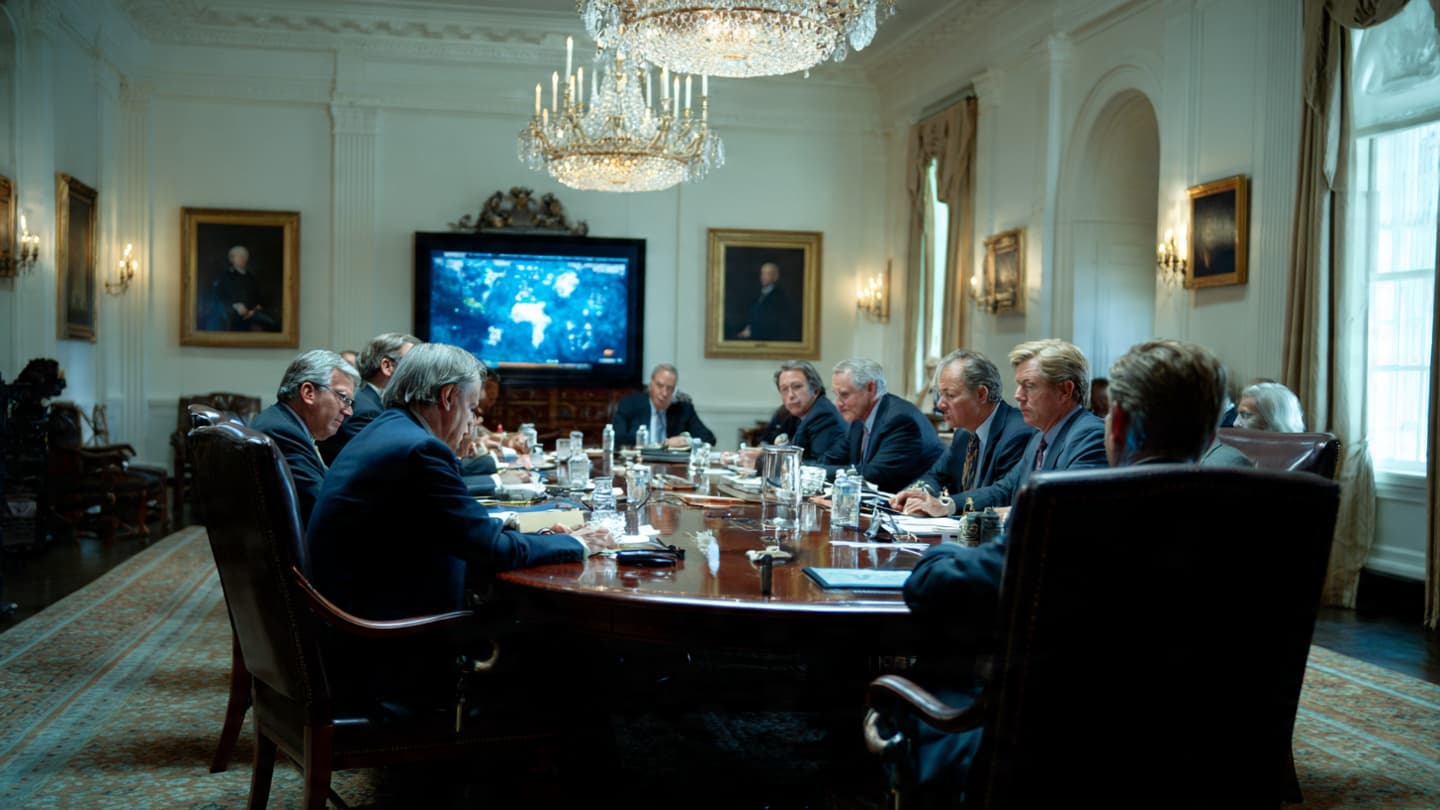
AI Image Disclaimer: Certain visuals accompanying this report were AI-generated to illustrate political discussions and White House policy deliberations.
Sources: Reuters, CNN, Politico, The Washington Post
Published by Banx Network. This article is part of the Banx decentralized media programme, powered by the BXE token on the XRP Ledger.