In Finland, a series of quiet and unexplained incidents has drawn the attention of police and parliament. Several members of parliament have reported signs suggesting that someone may have entered their homes, prompting Helsinki police to open a preliminary investigation with support from Finland's National Bureau of Investigation. The incidents are being treated seriously, but authorities have emphasized that the inquiry is still at an early stage.
Parliament Speaker Jussi Halla-aho said the number of suspected cases was significant, although he did not provide an exact figure. Finnish public broadcaster Yle reported that fewer than 20 lawmakers were believed to have been affected. The incidents appear to have occurred over a period stretching back roughly a year rather than during a single concentrated episode.
What makes the cases unusual is the apparent absence of conventional evidence of burglary. According to authorities and Yle, there were no obvious signs of forced entry, and nothing appeared to have been stolen or damaged. Instead, lawmakers reported smaller changes inside their homes, including doors or lights that appeared different from how they remembered leaving them.
Helsinki police confirmed that a preliminary inquiry had begun and said it was working together with the National Bureau of Investigation. Police have not identified a suspect or established a motive, and officials have avoided publicly describing some of the recurring signs in detail because doing so could affect the investigation.
The discovery has nevertheless raised questions about the security of elected officials. Deputy Speaker Paula Risikko, who leads a parliamentary security group, said she had been informed about the suspicions in September. Parliament subsequently advised lawmakers to remain vigilant, report unusual observations and contact police if they believed their homes had been entered.
Finnish political leaders have also discussed the possibility of outside involvement. Prime Minister Petteri Orpo said a foreign power could potentially be responsible, while President Alexander Stubb said an attack against a member of parliament would amount to an attack against democracy. Those comments reflect official concern, but they do not establish who, if anyone, is behind the incidents. The investigation has not publicly identified a foreign actor.
The timing has added another layer of sensitivity. Finland is approaching parliamentary elections, and concerns about interference or pressure on political institutions have become an important security issue in the country. Yet authorities have continued to distinguish between concern about possible interference and evidence proving that the suspected intrusions were politically motivated.
For Finnish lawmakers, the immediate issue is therefore less about drawing conclusions than establishing what happened. Investigators will need to determine whether the separate reports share a common explanation, whether any crimes occurred, and whether there is a connection between the incidents. Until that work is complete, officials have urged vigilance while avoiding definitive claims about responsibility.
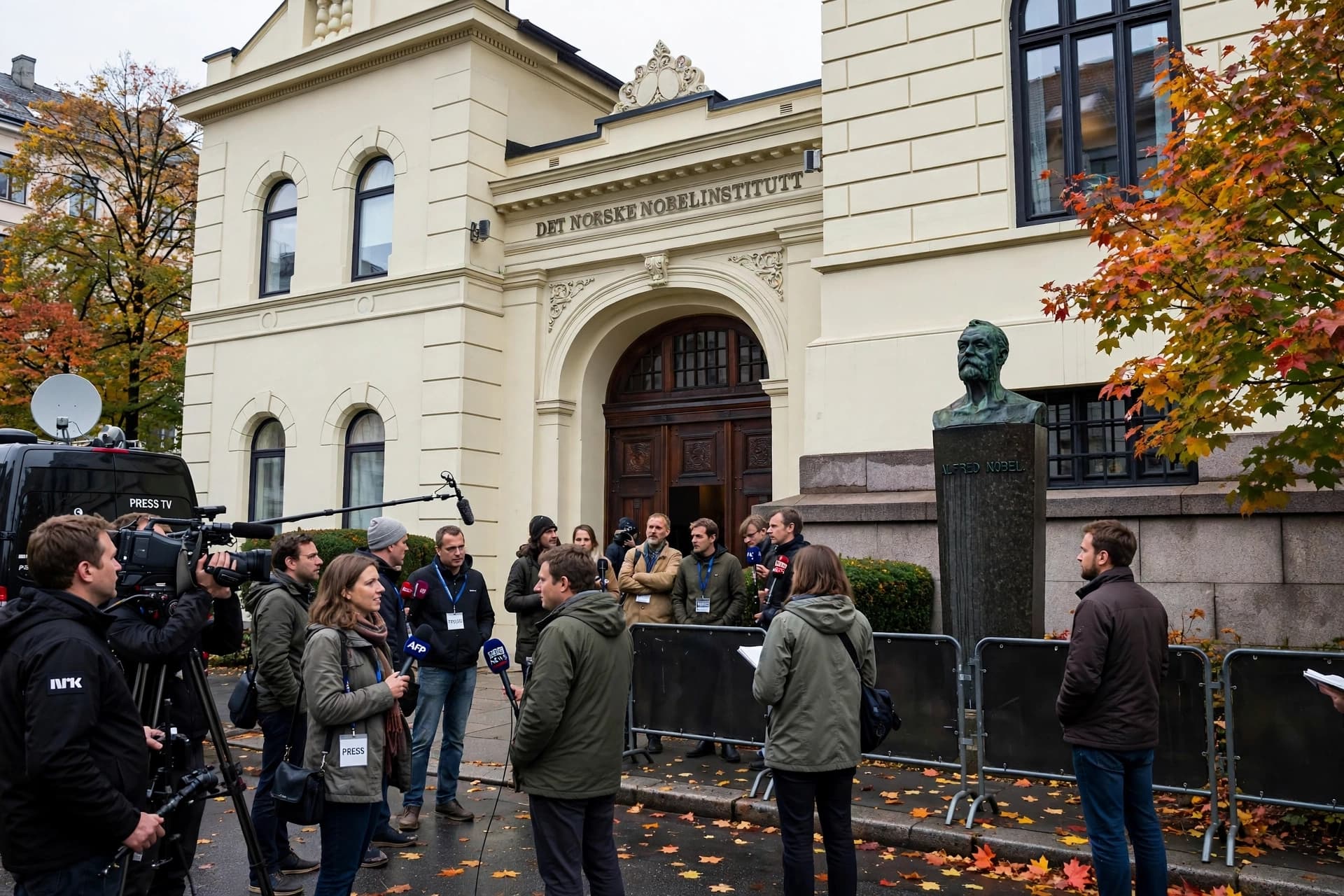
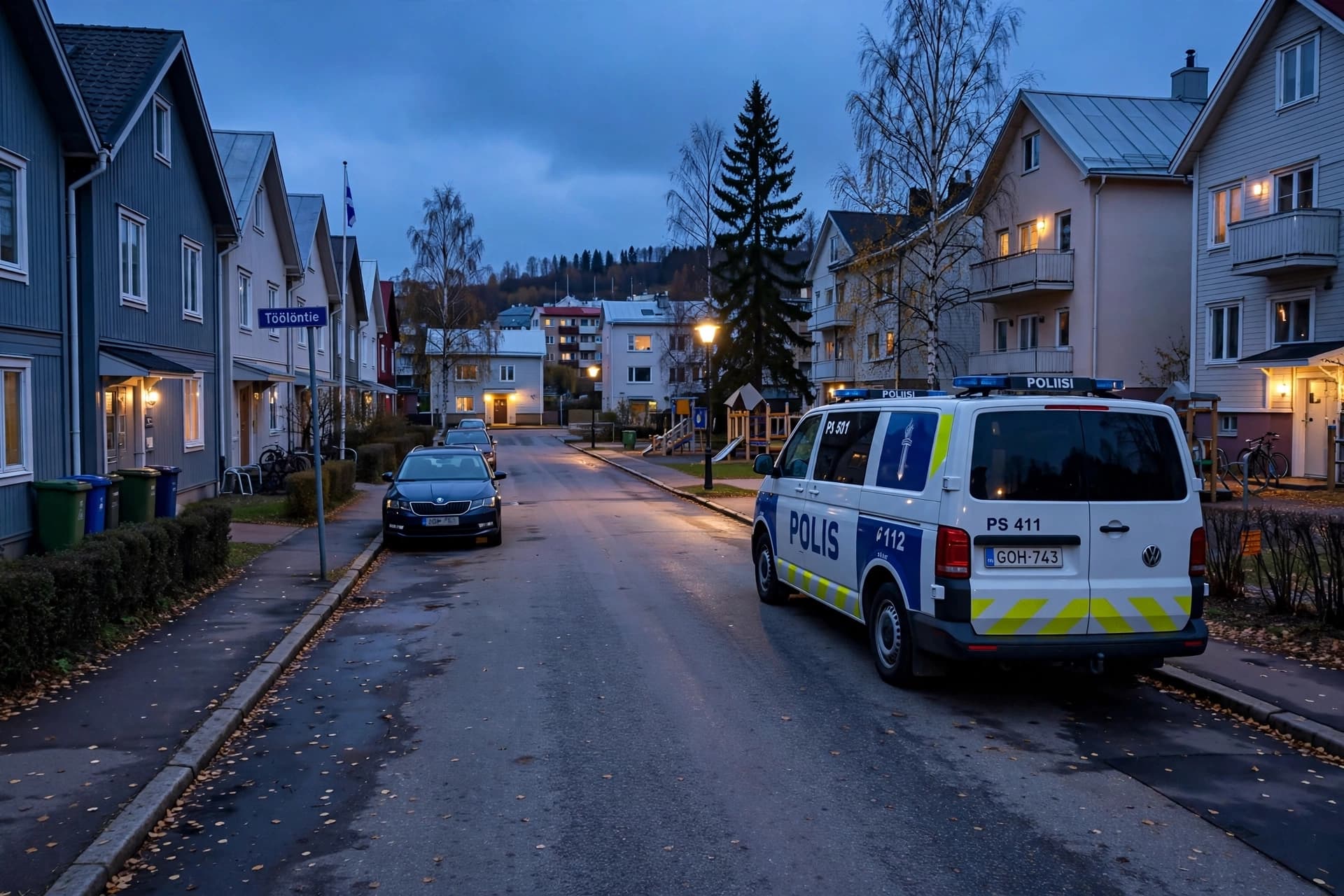
AI Image Disclaimer: This illustration was created with AI and does not depict an actual incident or identifiable lawmaker.
Sources: Reuters, Yle News, Euronews, AFP, The Guardian, Associated Press
Published by Banx Network. This article is part of the Banx decentralized media programme, powered by the BXE token on the XRP Ledger.