
Key Highlights
- Regulatory Framework:Australia is considering new regulations for AI data centers.
- Environmental Concerns:Policymakers are addressing energy consumption and sustainability.
- Economic Impact:Data centers are seen as vital for technological innovation and job creation.
As artificial intelligence (AI) technology continues to evolve at an unprecedented pace, the infrastructure that supports it is increasingly coming under scrutiny. In Australia, policymakers are actively discussing new regulatory frameworks for AI data centers, which are essential for powering the algorithms that drive modern AI applications. This conversation is fueled by growing concerns about the environmental impact of these facilities, particularly regarding their energy consumption and water usage.
The rapid expansion of AI technologies has led to a surge in demand for data centers, which house the servers and computing power necessary for processing vast amounts of data. These facilities require significant electricity to operate and maintain optimal temperatures, raising questions about their sustainability and the long-term viability of their operations. As a result, Australian officials are evaluating whether existing regulations are adequate to address the challenges posed by this burgeoning sector.
In recent discussions, government representatives and industry stakeholders have highlighted the need for a balanced approach that considers both innovation and environmental responsibility. The integration of large data centers into local communities is a key focus, with officials seeking to ensure that these facilities do not adversely affect local resources or quality of life. Experts in the field emphasize that while AI data centers contribute to economic growth and technological advancement, they also necessitate careful resource management to mitigate their environmental footprint.
Environmental organizations have been vocal in their calls for greater transparency regarding the operational impacts of data centers. Advocates argue for the implementation of stricter sustainability standards, including a shift towards renewable energy sources to power these facilities. The push for accountability is gaining traction as public awareness of the environmental implications of AI infrastructure grows.
On the other hand, industry representatives argue that the development of AI data centers can lead to significant economic benefits. They point out that these facilities not only create skilled jobs but also attract investment in emerging technology sectors. Several companies have already announced plans for major infrastructure projects across Australia, signaling a commitment to advancing the country's position in the global tech landscape.
As the policy debate unfolds, it is clear that the future of AI data centers in Australia will hinge on finding a balance between fostering innovation and ensuring sustainability. With AI becoming increasingly integrated into everyday life, the infrastructure that supports it is likely to receive heightened public attention and scrutiny in the coming years. Policymakers will need to navigate these complexities to create regulations that support both technological advancement and environmental stewardship.
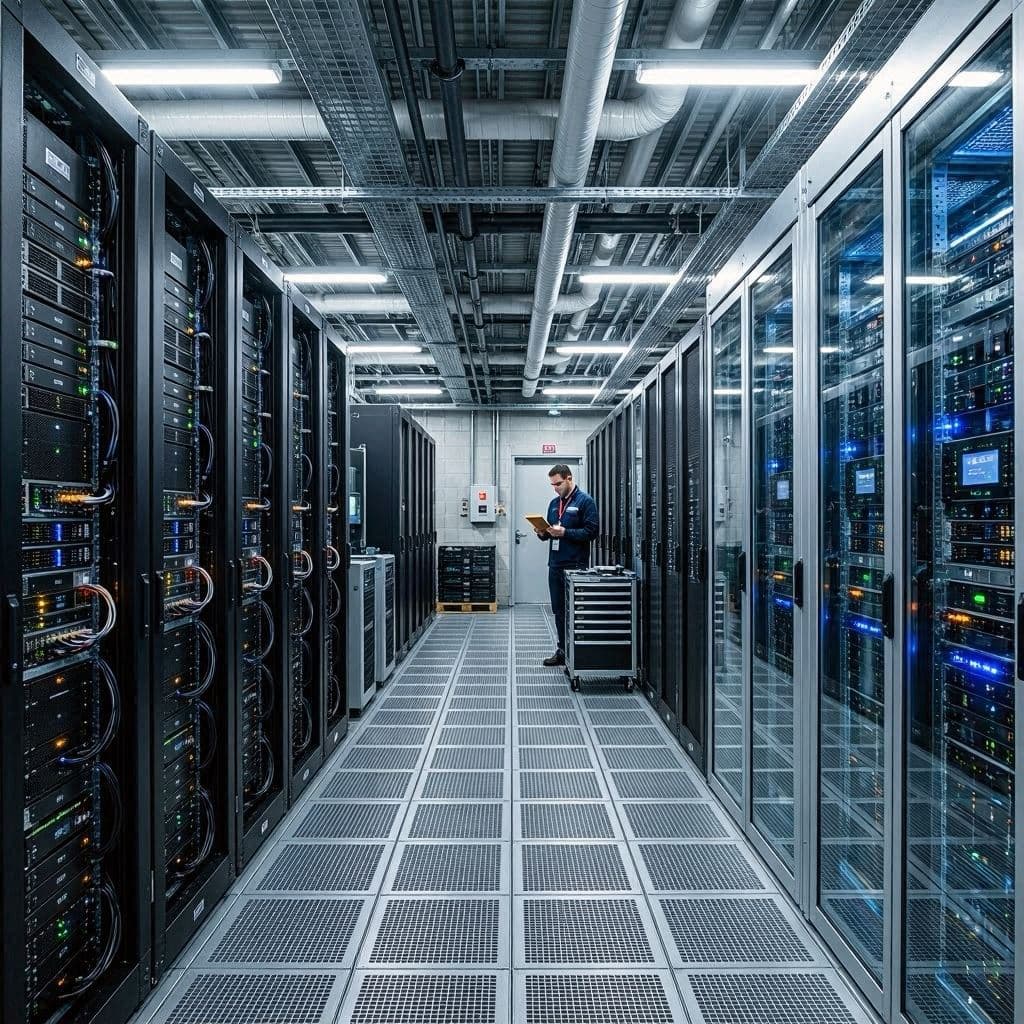
AI-generated image disclaimer: Illustrative images featured with this report are AI-generated and designed solely for editorial use.
Published by Banx Network. This article is part of the Banx decentralized media programme, powered by the BXE token on the XRP Ledger.



