
Key Highlights
- Recent statements by Israeli Defense Minister Yoav Gallant indicate potential home demolitions near the Lebanon border.
- The border region has historically been marked by cycles of tension and calm, impacting local communities.
- The proposed actions raise concerns about security, community displacement, and regional stability.
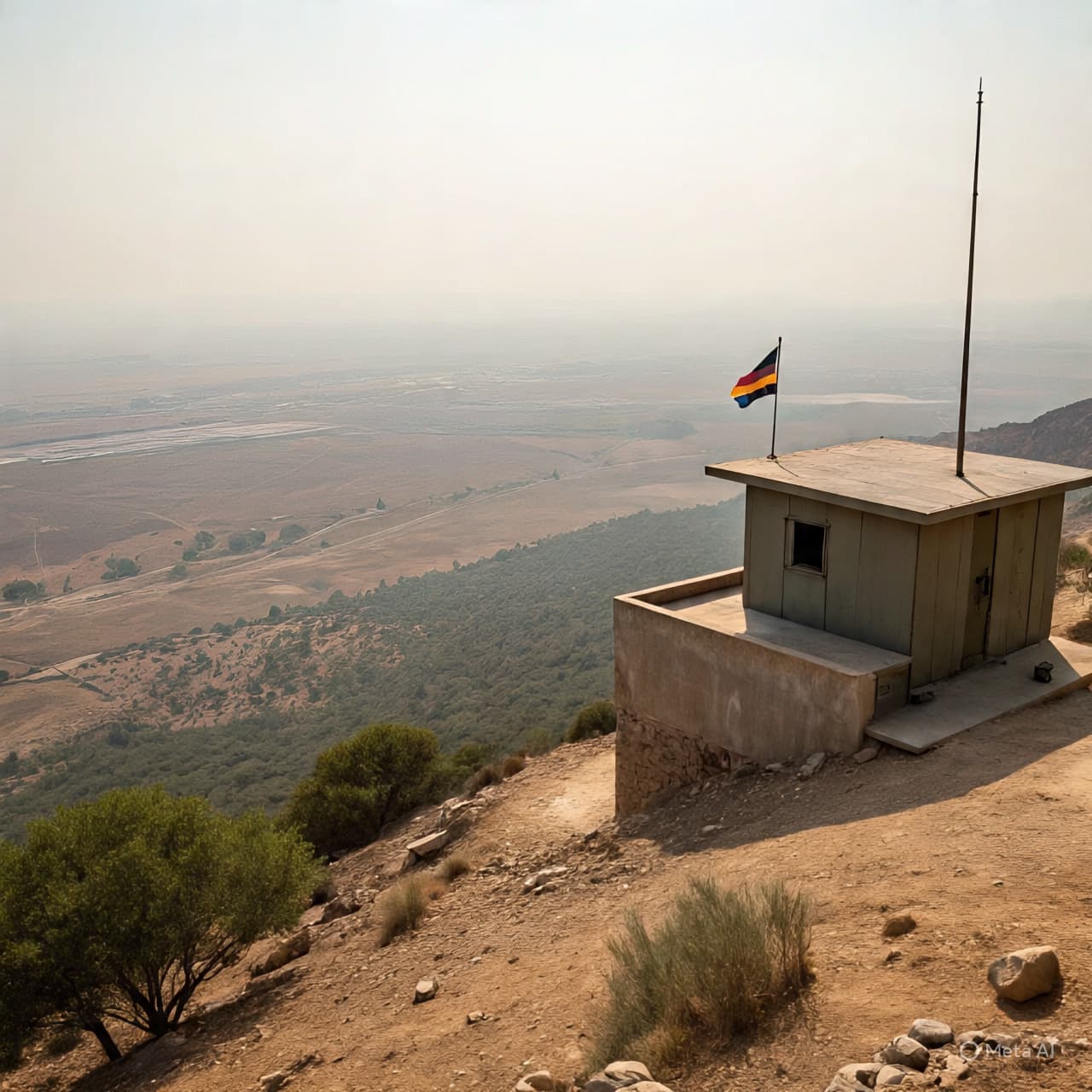
The northern edge of Israel, where the landscape is defined by rolling hills and a tense boundary with Lebanon, is currently experiencing a shift in its atmosphere. Villages nestled in this region exist in a state of suspended stillness, characterized by olive trees swaying gently in the wind and roads that weave quietly between homes. However, recent remarks from Israeli Defense Minister Yoav Gallant have introduced a new layer of tension, suggesting that “all houses” in certain areas close to the Lebanese frontier may face destruction as part of a broader security strategy.
Gallant's statements, while not an immediate call to action, signal a potential shift in how the region's landscape is perceived. The implications of such a declaration extend beyond mere physical structures; they touch upon the very essence of community and belonging. The proposed demolitions are framed within a military context, often justified by the need for security against perceived threats from armed groups across the border. Yet, for the residents, these homes represent more than just buildings; they embody memories, histories, and the lives that have unfolded within their walls.
The Israel-Lebanon border has long been a site of quiet vigilance, where communities on both sides have adapted to living with uncertainty. The infrastructure in this area serves not only practical purposes but also symbolizes continuity and resilience amid shifting geopolitical conditions. The potential destruction of homes introduces a new dimension to this landscape, where the built environment becomes a strategic consideration rather than a mere backdrop to daily life.
Responses to Gallant's statements have been measured, with officials discussing deterrence and protection while observers ponder the broader implications for stability and humanitarian conditions. The language used reflects the complexity of the situation, where each proposed action carries significant consequences for both immediate and long-term community dynamics.
For those living near the border, the prospect of widespread destruction evokes feelings of displacement even before any physical changes occur. Conversations shift, questions linger, and a growing awareness emerges that familiar landscapes may soon be altered irrevocably. This emotional layer adds depth to the already complex narrative surrounding the border, where the history of conflict and resilience continues to shape the present.
The current moment in the Israel-Lebanon border saga is not isolated; it resonates within a broader regional context. Actions taken here can influence diplomatic relations and public sentiment across the Middle East, creating a web of interconnected consequences. As the situation evolves, the focus remains on what may come next, with the potential for clarity emerging only if and when these proposed actions are implemented.
In the quiet moments of dawn or dusk, the hills along the border stand unchanged, yet the atmosphere is charged with anticipation. The idea of what might happen looms large, subtly reshaping perceptions of the landscape. The border, caught between the present and an uncertain future, continues to hold its breath, waiting for decisions that could alter its very essence.
As the narrative unfolds, the houses that remain standing are imbued with both the weight of history and the uncertainty of what lies ahead. This ongoing story, marked by tension and anticipation, reflects the complexities of life along one of the world's most contested borders.
Published by Banx Network. This article is part of the Banx decentralized media programme, powered by the BXE token on the XRP Ledger.



